




Jean Alexander Frater Redefines Painting Through Sculpture And Material Experimentation
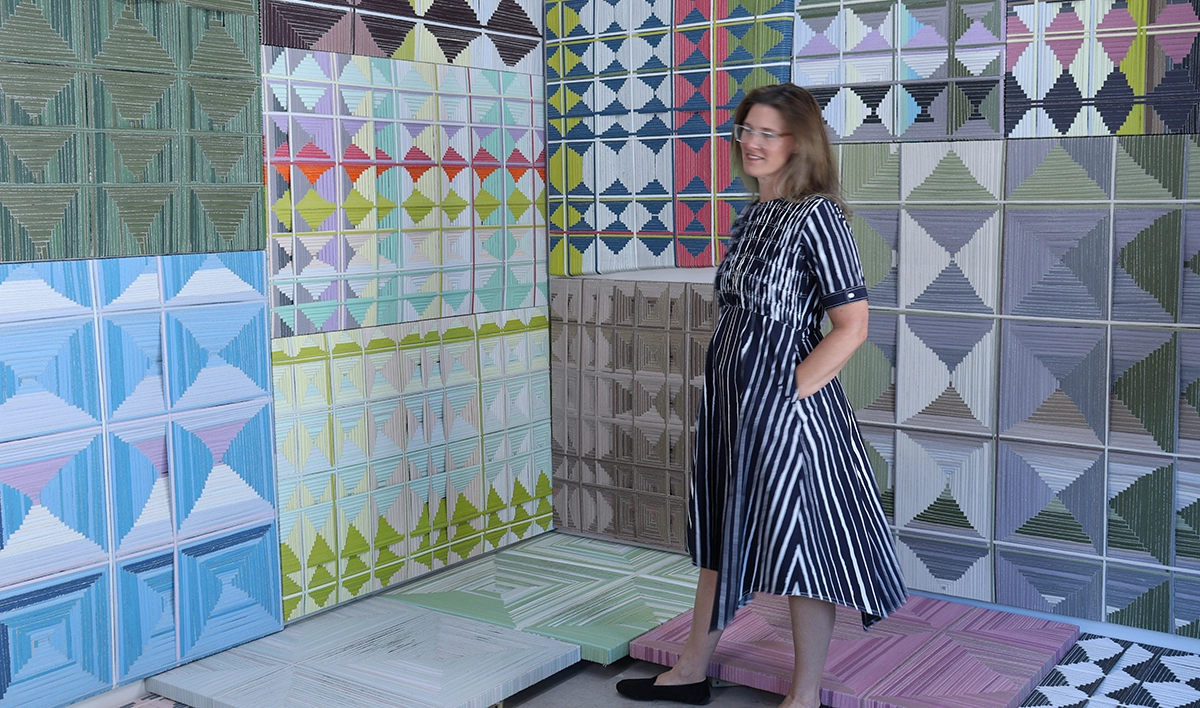
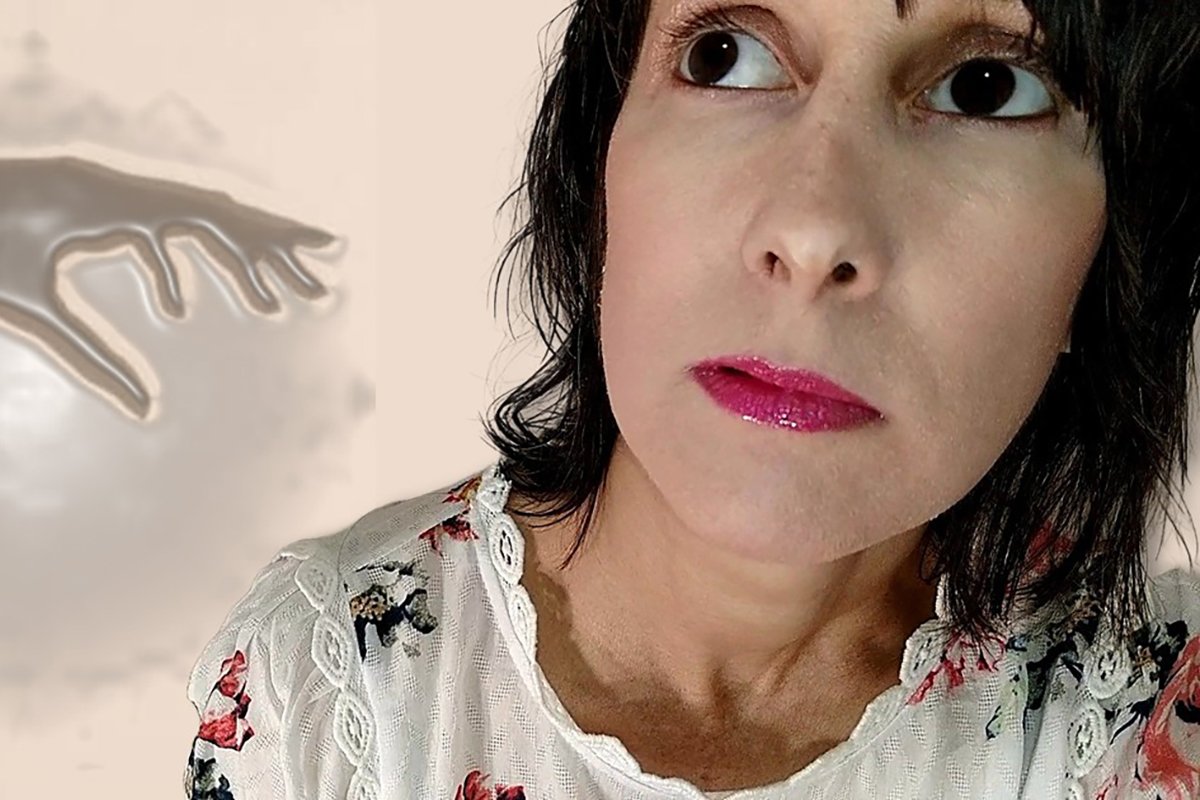
Photo: Jean Alexander Frater in her studio, surrounded by her sculptural paintings that blur the lines between form, function, and materiality.
Exploring Boundaries, Connections, And Transformation In Contemporary Art
Jean Alexander Frater deconstructs painting’s core materials, blending sculpture, abstraction, and craft to create transformative works that challenge conventions and explore embodiment, labor, and material limits.
Jean Alexander Frater is an artist whose practice boldly reimagines the traditions of painting, sculpture, and craft. Her work transcends conventional categorizations, occupying a space where materials, histories, and artistic forms converge. Guided by a deep intellectual curiosity and a background in philosophy, Frater transforms paint, canvas, and the rectilinear frame into vehicles for experimentation, challenging viewers to reconsider what they know about art. This exploration of her creative process and philosophy is adapted from an insightful interview originally published in WOWwART magazine.
Frater’s art is a testament to the power of limitation and possibility. Working primarily with paint, canvas, and the rectilinear frame—materials she defines as the core of painting—she deconstructs and reinterprets their traditional roles. “Paradoxically, I find that these limitations open up new possibilities,” Frater explains. This approach is exemplified in her piece Navy Bead, where the pictorial image within a rectangular frame is reimagined as a sculptural form. The painting’s image exists simultaneously as a physical object—a pod-like, hanging structure composed of coiled canvas and frame. This technique, influenced by her years of working with ceramics, highlights her fascination with material limits and their potential for transformation.
Jean Alexander Frater’s innovative approach merges tradition with experimentation, creating art that is intellectually profound, visually compelling, and deeply transformative.
Her work often exists in the liminal space between categories: painting and sculpture, traditional craft and contemporary abstraction, form and function. “I see all of my work as existing between categories,” she notes. This exploration is driven by a desire to discover what something can become through the journey of material and language. For instance, her piece Escaping the Beauty Instrument embodies this fluidity, evolving from a sketch to a color-field painting and finally into a form that evokes a pitcher, a harp, and a vessel. The title reflects her exploration of the gaze, beauty, and the interplay between abstraction and form.
Frater’s background in philosophy deeply informs her artistic practice. Her undergraduate studies opened new ways of thinking about the relationship between body, labor, gender, and materiality. After a decade-long focus on ceramics, she pursued graduate studies, where painting became the primary medium through which she could stage these concerns. “Ultimately, my experiments are about breaking free from fixed definitions—allowing the traditional ‘rules’ of painting to be bent, shifted, and at times, completely reimagined,” she says. This philosophy manifests in her work through a collapsing of materiality, structure, and context, creating art that is both painting and something entirely new.
Beyond her studio practice, Frater is deeply engaged in fostering artistic community. Her experience as a BOLT resident with the Chicago Artists Coalition was transformative. Over the course of a year, she shared a space with eleven other artists from diverse disciplines, participating in solo exhibitions, critique sessions, and studio visits with art professionals. This environment nurtured both her creative work and her commitment to community building. “This rigorous environment fostered both creative work and community building,” she reflects. It inspired her to establish Material, a nonprofit artist-run space dedicated to collaboration and artistic exploration.
Frater’s international exhibitions and contributions to the arts community highlight her influence as both an artist and a thought leader. Her work is not only a dialogue with materials and forms but also an invitation to engage with art as a site of connection and transformation.
Jean Alexander Frater’s art challenges us to see the familiar in new ways, to embrace the tension between limitation and possibility, and to celebrate the beauty of process and change. As she continues to push the boundaries of painting, her work remains a poignant reminder of art’s power to connect, inspire, and transform.