






John K Danenbarger Explores Literary Crime Fiction, Life’s Complexities, And The Art Of Storytelling

John K Danenbarger, author of Entanglement – Quantum and Otherwise, reflects on life, storytelling, and his forthcoming short story collection.
An Award-Winning Author Reflects On Creativity And Complexity
Author John K Danenbarger reflects on storytelling, blending crime fiction with literary elements, creating layered characters, and how his philosophical and life experiences inspire his acclaimed existential fiction and upcoming collection.
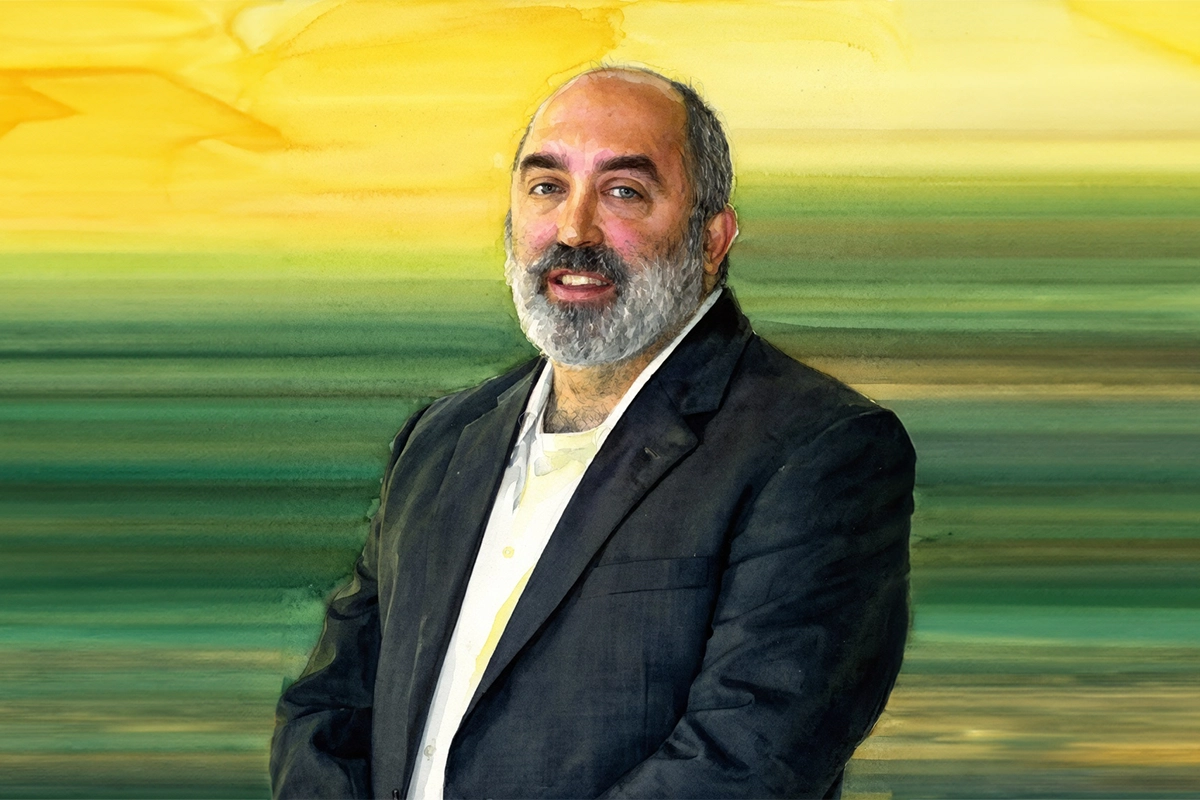
J ohn K Danenbarger is a literary force whose storytelling captures the complexities of existence with unmatched depth and insight. Author of Entanglement – Quantum and Otherwise, a literary crime novel that has garnered significant acclaim, Danenbarger invites readers into a world of intertwining lives, unresolved histories, and the shadows of family secrets. With his forthcoming short story collection, Waves of Light and Darkness, which promises to be as compelling as his debut novel, Danenbarger continues to push the boundaries of existential literary fiction.
Danenbarger’s remarkable journey from stockbroker to sailor, from merchant marine captain to celebrated author, reflects a life of curiosity, resilience, and an unrelenting pursuit of meaning. His time spent sailing the New England coast, making daring round sails to Bermuda, and living in Italy with his wife, Grazia, has enriched his creative perspective, imbuing his narratives with profound authenticity and emotional resonance. His work feels like a mirror held to humanity, offering readers not only riveting stories but also reflections of their own inner worlds.
In this interview, Danenbarger delves into the profound motivations that inspired Entanglement – Quantum and Otherwise, shares his meticulous approach to crafting deeply layered characters, and offers wisdom on the art of writing. With literary influences ranging from Albert Camus to Shakespeare, Danenbarger is a writer’s writer, demonstrating how meaningful, experimental storytelling can leave a lasting mark. His philosophical perspective, coupled with his life experiences and a gift for blending the existential with the relatable, ensures that his narrative voice is both distinctive and unforgettable.
Mosaic Digest is honored to share this conversation with John K Danenbarger, a master of literary fiction, whose work reminds us of the enduring power of originality, authenticity, and the subtle art of inference in storytelling.
John K Danenbarger crafts profoundly intelligent stories, weaving emotional depth and philosophical insights into unforgettable, award-winning literary fiction.
What inspired you to write “Entanglement-Quantum and Otherwise”?
Looking one day at the family pictures on a wall at home made me realize that I would soon be one of those flat, non-descript pictures, if I was lucky. But, even being lucky did not mean anyone would know anything about me, just as I knew very little about each of the ancestors on the wall. I needed to leave a mark.
Can you describe your writing process and how you approach complex storylines?
This novel was extremely complicated and took 5 years to complete. Although many writers use some chart or written guide, I used only my mind and three editors, who caught error in the timeline. But the reason for the lack of plan is that I had no idea how it would end. In all my writing, the characters decide how it will end.
How has living in different countries influenced your work and writing style?
Living in different countries for any length of time makes anyone have a different point of view on life and human nature. In a small way, it is like the astronauts saying how viewing the earth from outer space gave them a different POV. Among other things it makes you know you are alone while, at the same time, freeing you of erroneous beliefs.
As a skilled writer, how do you craft multifaceted characters with emotional depth?
I am afraid that this has only come because I have lived a long time and in varying situations. I cannot create characters without putting some part of a real person into them. Young, good authors often can. I cannot. I plant enough information about the character to let the reader infer the rest.
What challenges did you face while blending crime fiction with literary elements?
I cannot say that it was a challenge. I thought of specific crimes in real life and had my characters decide how to carry them out. All good stories should have a mystery arc.
Can you elaborate on the themes of family secrets and unresolved histories in your novel?
It is quite simple. If a character is the criminal, he/she does not want to tell anyone, but may struggle mentally with keeping that secret. The other family members who know or guess about the crime don’t care to brag about the criminal in the family, and thus do not pass it down to the next generation.
How do you balance originality with relatable storytelling for your audience?
Truth is stranger than fiction. If I base the story on strange real-life stories of which I am aware, then it is simply to fictionalize them. And, of course, I just make sure the character and the environment around them is realistic. I am an existential fiction writer with a minimalist view, but the inclusion of the basic senses is essential in each scene.
What literary influences have shaped your writing over the years?
Camus, philosophically. Because I have read hundreds of books, it is difficult to point to one author, but authors who do not insult my intelligence with too much information and let me infer meaning have had the greatest influence.
With multiple accolades for “Entanglement,” what advice do you have for writers striving for recognition?
Hire a publicist. You can’t do it on your own, or you will not have time to write and you will waste money on the wrong marketing activities.
Do you see experimental fiction as something essential to the progression of literature today?
I have no answer.
How does your background, including being a merchant marine captain, reflect in your storytelling?
I have answered that in the living in different countries section. Basically, I am alone.
What advice would you give to aspiring authors who are trying to create meaningful and award-winning work?
I cannot advise other writers since each author has his/her own genre and place within that genre. But I took my advice from Shakespeare who became world famous because he included four things in most plays: Love, War, Royalty, Death. So in most stories I include love, conflict, important characters, and death.