





Krissy Baccaro Shares The Secrets Behind Crafting Gripping Mysteries
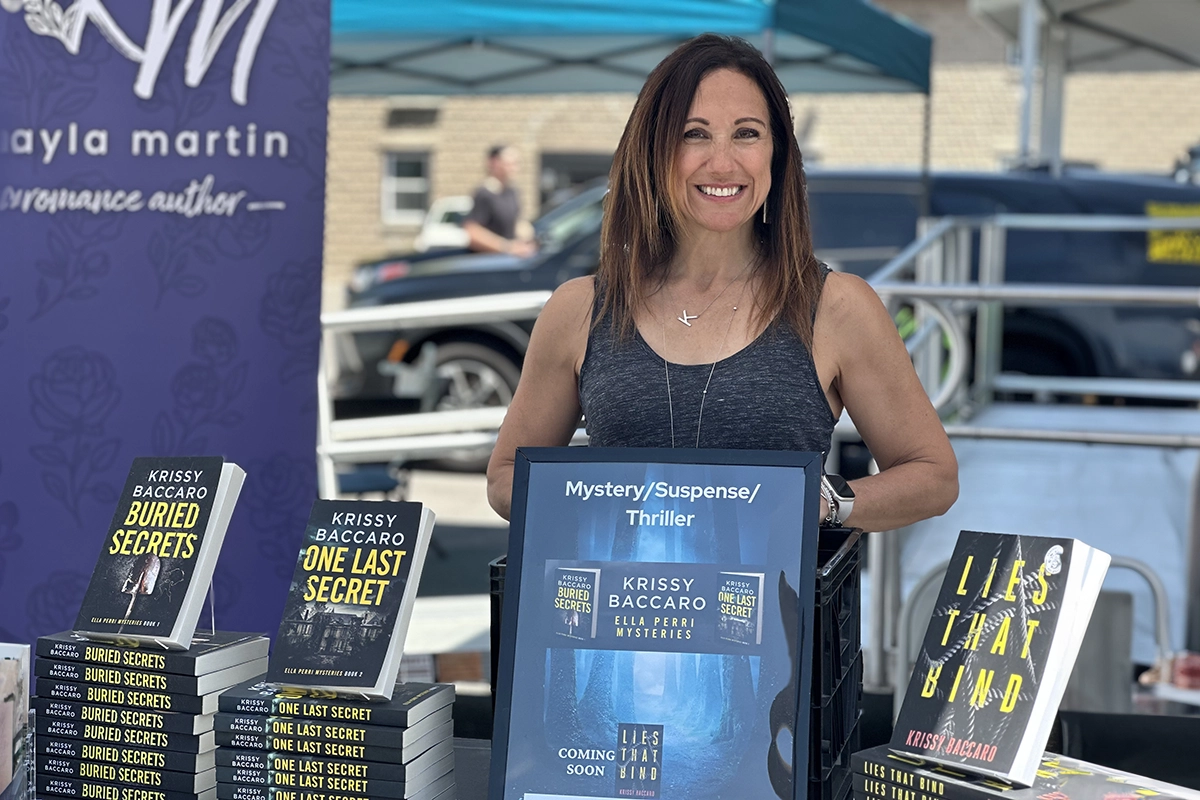
Krissy Baccaro: Award-Winning Author of Family-Centered Mysteries That Uncover Deep Secrets
Talks Mysteries, Family Secrets, And Sustaining Creativity
Krissy Baccaro reveals her journey as a mystery author, her creative process, inspirations, handling criticism, and advice to aspiring writers, while sharing her passion for family bonds and suspenseful storytelling.
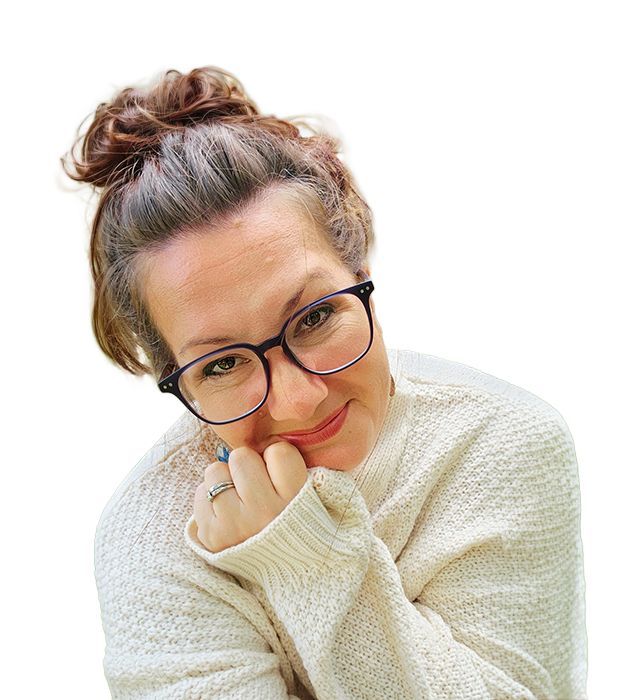
K rissy Baccaro, a masterful storyteller and celebrated author of the gripping Ella Perri Mystery Series, brings intrigue and emotion to life on every page. Her work delves into the complexities of family secrets, personal truths, and the ties that bind us, all while weaving together compelling narratives that keep readers on the edge of their seats. Drawing inspiration from literary greats like Agatha Christie, Janelle Brown, and Karin Slaughter, Krissy’s stories are a perfect mix of heart-pounding suspense and beautifully crafted character dynamics. Beyond her work as an author, Krissy molds young minds as a dedicated teacher, balancing her passion for education with her craft as a writer.
In this exclusive interview for Mosaic Digest magazine, Krissy opens up about her journey from childhood dreamer to acclaimed writer, the creative process behind her mysteries, and the invaluable lessons she’s learned along the way. For fans of deeply-layered, character-driven suspense, her insights are as captivating as the pages of her novels. Join us as we explore the world of Krissy Baccaro—where every twist, turn, and secret brings a new story to life.
When did you first realise you wanted to be a writer, and was there a particular moment or person who encouraged you to pursue it?
From a young age, I’ve cherished writing, and that passion has remained with me into adulthood. I participated in a few writing challenges and contests, which fueled my desire to write books. My parents were my first fans and my biggest supporters!
Your stories often explore characters seeking the truth, family secrets, family bonds, and dual timelines. How do you decide which aspects you want to highlight in any given work?
I love exploring family bonds and relationships in my stories, often tying the past to the present in unexpected ways. As I shape my main character, I place them in settings and situations that push them to face tough moral choices and test their integrity, which adds both tension and depth to the mystery.
Can you describe your typical writing process? (Do you outline in advance, write by the seat of your pants, or a bit of both?)
I’m a bit of both, but deep down I’m more of a fly-by-the-seat-of-my-pants writer. I love the thrill of letting the story surprise me as it unfolds. Still, I like to have a jumping-off point—usually the setting, my main character, and the conflict. After that, the middle and ending tend to sneak up on me as I go.
How do you balance “voice” versus “plot” when refining your drafts? At what stage do you prioritise one over the other?
I see voice and plot as two sides of the same coin—they both drive the story, but in different ways. In early drafts, I focus more on voice, letting the characters’ personalities and perspectives come alive. Once the voice feels authentic, I turn my attention to the plot, refining pacing, shaping the story arc, and ensuring each twist lands effectively. A strong voice naturally guides the plot, and a well-crafted plot gives the voice room to shine.
Which authors or books have had the deepest influence on your style, and in what ways did they shape your own writing?
Several authors have had a profound impact on my style. Janelle Brown, with her atmospheric storytelling, inspired me to create settings that feel alive and almost like characters themselves. Karin Slaughter taught me how to build tension and suspense while keeping characters deeply human, and Lisa Jewell showed me the power of twisting domestic drama into compelling psychological suspense. Together, these influences shaped my writing by guiding me to blend rich, immersive settings with emotionally resonant, edge-of-your-seat storytelling.
Do you ever experience writer’s block? If so, what strategies or rituals help you move past it?
Oh yes, writer’s block visits me more often than I’d like! When it does, I have a few tricks up my sleeve: I go for a walk, let my brain wander, or just scribble anything that comes to mind—sometimes the strangest ideas spark the next breakthrough. Re-reading a scene I love can also be surprisingly motivating. It’s all about nudging the story back to life.
How do you handle criticism or negative feedback (from editors, beta readers, or readers)? Can you give an example of feedback that led to a significant change in your work?
I take feedback seriously and try not to take it personally. A beta reader once flagged a slow subplot in Moment of Truth, and revising it made the story stronger and more engaging. Constructive criticism can turn good stories into great ones.
Looking ahead, are there genres, formats (like short stories, essays, screenplays) or subject matters you haven’t yet explored but hope to in the future?
I would love to learn how to write a screenplay. I’m also interested in writing historical fiction someday.
What one piece of advice would you offer to other aspiring authors—especially those who are navigating the path of publication, sustaining creativity, and building an audience?
My advice to aspiring authors is simple: don’t give up. Writing can be messy, frustrating, and wonderful all at once. Publishing, staying creative, and building readers take time, but every word you write matters. Keep exploring your ideas, play with your writing, and connect with your readers—they’re on this adventure with you. Every challenge is part of the journey toward telling a story only you can tell.