






Liz Myers Explores Practical Strategies for Lasting Habit Change
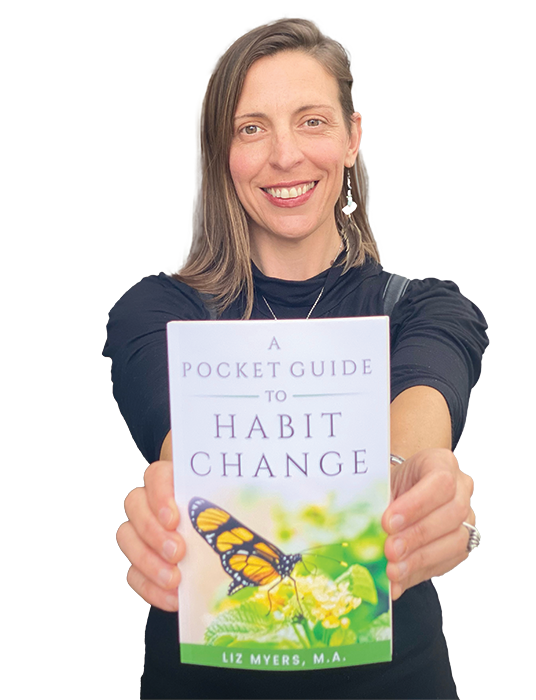
Liz Myers, author and therapeutic coach, at her serene Southern California home, where she inspires change and healing through her work.
Tools for Personal Growth and Emotional Healing
Liz Myers discusses her journey in writing about habit change, the challenges she faced, and the importance of humor and compassion in overcoming self-sabotaging behaviors.
L iz Myers brings a wealth of experience and insight into the realm of habit change through her multifaceted career as an author, teacher, sound healer, and therapeutic coach. With her latest book, A Pocket Guide to Habit Change: The Next Right Step, Myers offers a practical approach to making meaningful lifestyle changes, drawing from her personal journey and professional expertise.
In this interview, she shares the inspiration behind her writing, the challenges she faced along the way, and her unique perspective on the intersection of humor and habit change. Myers emphasizes the importance of compassion in the change process and offers invaluable advice for those grappling with self-sabotaging behaviors. Her holistic methods draw from her social work background and the integration of sound healing techniques, providing readers with a comprehensive toolkit for personal growth. Join us as we explore her journey and discover practical steps toward cultivating lasting habits.
What inspired you to write A Pocket Guide to Habit Change: The Next Right Step?
I wanted a way to reach more people and share my findings on the varying strategies that I found to be highly effective in creating lasting changes. I began writing it at the height of the 2020 pandemic as I was not able to reach people in person as I had in the past through my in-person therapeutic groups.
What were some of the main challenges you faced when writing your book?
Simply making myself sit down to write! When I put my butt in the chair and I pulled out my laptop, the words would simply fly right through my fingers and onto the screen. I ended up setting up a reward system for myself to help hold myself accountable for writing. That really worked and it only took 9months to write the book.
The other challenge was organizing the material. I had so much to share and it took a while to put the pieces of the puzzle together in an organized manner.
How did your personal experiences with health and lifestyle struggles shape your approach to habit change?
It helped me to truly understand the varying levels of challenge associated with different changes. Some changes end up being simple to change and others can take years. I found that it’s essential to develop a sense of personal compassion, lightness, forgiveness and patience for the process. And when I let the change process be more of an exploratory adventure, it helps to take the pressure off of trying to doing it perfectly.
Can you share more about your journey of transitioning from food addiction to a more balanced, healthy life?
I started by realizing just how much I relied on food to make me feel better. It was my main source of comfort and coping for stress and for dealing with challenging emotions. I noticed I had a habit of literally and figuratively stuffing things down. Ultimately, meditation, mindfulness and therapy were pivotal in helping me to get clear about what was happening on an emotional level so I could then start to incorporate more coping skills and heal from past traumas.
I would also say that being okay with moderation has been the key for me in stopping the pendulum of going back and forth with my weight, diet and so on. Of course there are some things I have simply taken off my plate entirely that were not good for me. However, in general, I have found that the “middle way” or simply having things in moderation has worked quite well in stopping the cycle of addiction.
What role does humour play in your writing, and why is it important to you?
Humour is one of the main ingredients in my writing. The topic of habit change often stresses people out and can feel like a lot of pressure. When the lightness of humor is added in, it can put people more at ease and help to lessen the load. In general, I really enjoy being funny and I watch a lot of comedy movies so I’m sure that has just seeped in over time.
How has your background in social work and counseling informed the techniques shared in your book?
Many of the techniques in my book come from thoroughly researched strategies I learned through my extensive training and experience in counseling others. Much of what I found to be most effective, came from my direct experiences as a Therapeutic Group Facilitator and Mindfulness Coach. Further, I’ve relied on these techniques for my own habit change processes so I know what it’s like on a personal level.
What advice can you give to someone struggling to kick self-sabotaging habits?
Take the TIME and muster up the COURAGE to uncover some of the “WHY’S behind your self-sabotage. Do you know what it feels like in your body when you notice that you want to self-sabotage?
Don’t worry about stopping the self sabotaging action at first, simply begin by understanding and recognizing when it wants to come into play. Notice what is happening inside of you (emotionally) and outside of you (surroundings/situations/people). Be your own personal detective on this saboteur character and see what it is that they are seeking. Take the time and write out some of your observations in a journal.
Does your saboteur need/seek fun, attention, relief, adventure, escape, habitual guilt? Once you start to understand it, you can then start to create new ways of supporting yourself when this type of energy/needs arise.
Can you describe how sound healing works and how it resonates with your overall approach to wellness?
Sounds can be quite soothing when you really hone in and pay attention. I use an abdominal breathing technique to help engage the parasympathetic nervous system (rest/digest) to support people to be present and to relax at the beginning of the session. I utilize a variety of instruments, including my voice to facilitate a deep relaxing session. Singing and playing music for people in these sober spaces is quite the built in wellness cultivator for all.
What is the most common mistake people make when trying to change their habits?
Taking on too much too soon. Take it down a notch so that your first attempts at change are most likely going to give you that taste of success. As you may already know, feelings of success build upon more feelings of success. And feelings of failure lead to more feelings of failure, self-sabotage and guilt.
If you had to recommend one small first step to someone wanting to turn their life around, what would it be?
Write down all the reasons why it is good for you to make this change. And be sure to include all the reasons why it might be good for your loved ones, your community and so on. Of course, change is best when you do it just for yourself, however we don’t live in isolation and having reasons why it would benefit others can really help when times get tough. Once you have your “why’s (20 minimum), then take one step forward in the direction you want to go with your change. And then one more step the next day. Take it easy breezy and get support! Tell someone you believe would be supportive and encouraging about your desired change. Take a class, go on a retreat, get a counselor. In other words, build your team of support, whatever that means to you.
What advice would you give to aspiring authors who want to draw on their personal experiences to write a meaningful and impactful book?
Begin by letting your writing flow out of you without editing it. See what wants to speak out of you through the written word. After you’ve written quite a bit, notice any themes to your messages and then hone in on those. Before you publish, take a moment and see if there is anything you might not want others to know about you for the rest of your life.