










From Military Veteran To Master Storyteller Patrick Parker

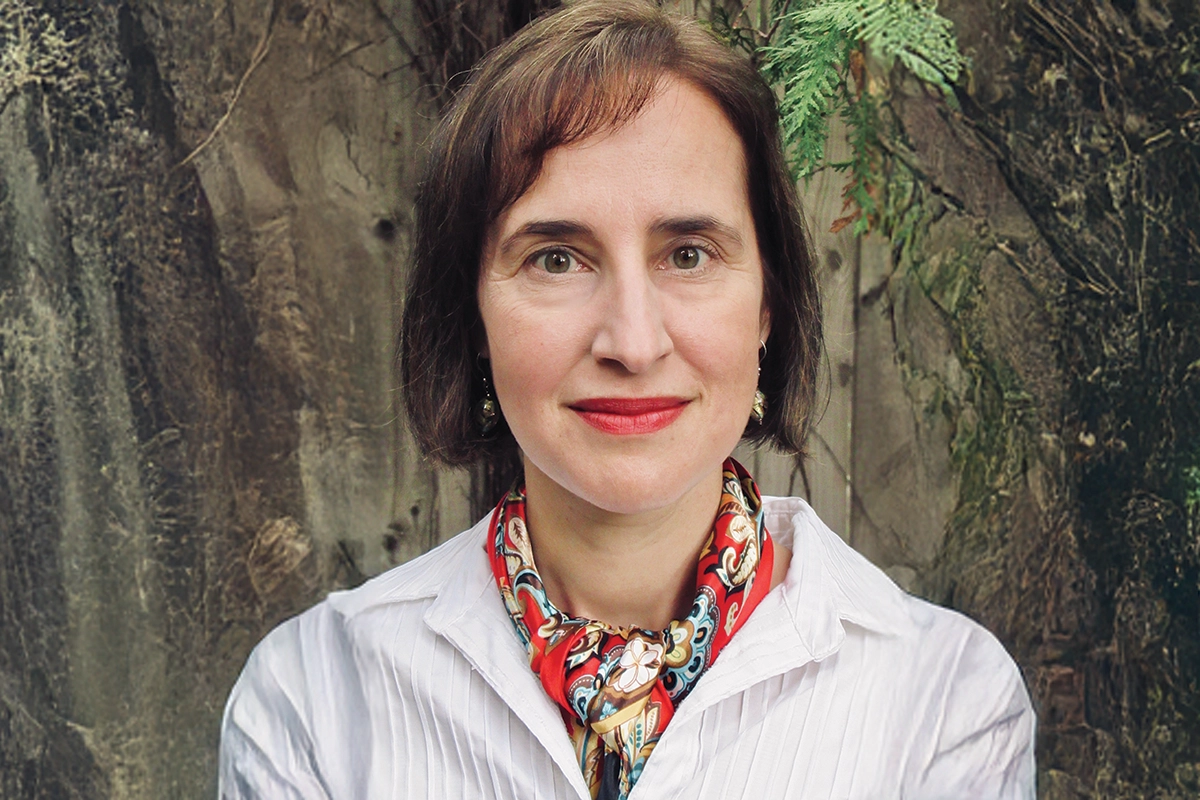
Photo: Patrick Parker, acclaimed military thriller writer, crafts authentically gripping tales rooted in his military and defence expertise.
The Mastermind Behind Gripping Political Thrillers That Fuse Real-Life Experience With Riveting Fiction
Patrick Parker shares his journey from military veteran to thriller author, blending real-world expertise with gripping plots, global intrigue, and characters as authentic as the conflicts they face.
P atrick Parker, a distinguished veteran and master storyteller, brings unparalleled authenticity to his pulse-pounding thrillers. With a career spanning military service and the defence industry, his rich experiences fuel his captivating narratives. His works, including Six Minutes Early, Acts of Treason, and Wrath and Reckoning, offer gripping tales of geopolitical intrigue, covert operations, and suspense that keep readers on the edge of their seats. Patrick’s ability to seamlessly blend historical fact with fiction, vivid characters, and plot twists showcases his extraordinary talent. Join us as we explore his creative journey, inspirations, and expertise in this exclusive feature.
Patrick Parker shares his journey from military veteran to thriller author, blending real-world expertise with gripping plots, global intrigue, and characters as authentic as the conflicts they face.
What inspired you to shift from a military and defense industry career to writing suspense thrillers?
I had completed a very successful career in the military and the defense industry and felt it was time to hang up my work clothes for the next phase of my life. My wife and I moved to Texas where I joined a local writers’ group and immediately became energized with writing again. I had written Treasures of the Fourth Reich while I was still employed, but due to a lack of time, I had put writing aside. When I returned to it, I wanted to write about what I knew best. It was only natural to draw from my military and defense background to write suspense thrillers.
How does your extensive international experience influence your storytelling and plot development?
It influences it quite a bit. I hold a Master’s degree in International Relations and served in the US, Europe, and Panama during my military service. I also traveled internationally during my civilian career. Living and traveling in places steeped in history provided me with long-lasting memories and a deep well of inspiration. I have always been intrigued by authors like Tom Clancy, Robert Ludlum, and John Le Carré, so it was natural for international locations and global politics to play a major part in my stories.
“When I picked up Wrath and Reckoning, I expected a tight political thriller, and that’s exactly what I got. Parker doesn’t give you room to breathe. Scenes cut fast, and dialogue snaps like a whip. Wrath and Reckoning is the kind of book I’d recommend to readers who like high-stakes thrillers with a military and political edge. If you want a story that keeps the throttle down and doesn’t let go, this will scratch that itch. Parker delivers.” – Literary Titan
What is your process for blending historical facts with fictional elements in your books?
When I come up with a story idea, I visualize the beginning and the end, thinking about real-world events that could affect the plot and characters. Accuracy and believability are very important to me. With a little research, you can find many facts to weave into a story to make it believable, even while adding fictional twists and turns.
For example, in War Merchant, the protagonist takes an active role in the 1994 shoot-down of the jet carrying the President of Rwanda. While the shoot-down was a true historical event, my protagonist’s involvement was fictional—yet it was one of those facts that fit perfectly into the story. Similarly, in Six Minutes Early, the antagonist uses man-packed nuclear devices. These devices actually existed as part of the defense of Europe, even though the story itself is fiction.
How do you approach creating realistic military and geopolitical detail in your novels?
I draw from my military background for most of it, but I do have a couple of veterans who advise me on items I am not well-versed in. For Acts of Treason and Wrath and Reckoning, I wanted to have scenes involving an F-16 jet. Since I’m an “Army guy,” I needed expert information to make it believable. One of my friends is an F-16 pilot with over 1,600 hours in theater, and he was the perfect person to counsel me on the technical details I needed. Capturing real-world events that seem almost too unbelievable to be true is the most rewarding part of writing.
“Filled to the brim with action, intrigue, and patriotic fervor, Wrath and Reckoning is a masterpiece of an espionage thriller. From start to finish, the plot moves nonstop at breakneck speed. You don’t want to put down the book for a single moment in case you might miss some crucial dialogue or a seemingly throwaway clue that may allude to something more important later down the line. ” – Readers’ Favorite LLC, Louisville, KY 40202
Which challenges did you face while developing characters like Max Kenworth and Dydre Rowyn?
My biggest challenge with Dydre Rowyn in War Merchant was getting the female character right. I had to learn to think like a mother, so I sought plenty of counsel from my wife. I patterned Dydre after a couple of women I knew in the defense industry, using their characteristics to build her, but it took work to ensure her emotional perspective was authentic.
With Max Kenworth, I didn’t want a “superhero” or an invincible macho guy. I wanted him to be a smart leader who is deadly if needed, but primarily believable. My biggest challenge is keeping him in character and not letting him overshadow the other characters, even when he has to stand tall against a very bad antagonist.
Where do you draw inspiration for the intricate plots and twists in your thrillers?
Inspiration comes from my life and background. Just like in real life, things happen and situations change. I usually think out the plots and then ask, “What if?”. That “what if” aspect takes you down many trails—what if a character takes a wrong turn, or what if they are caught in a honey trap?. I trust my characters to lead the way; they write the stories, and sometimes if I get in the way, they “balk”. If I listen to them, they always offer up opportunities for twists and turns.
“A worthy example of a great thriller, Acts of Treason has action, suspense, a fantastic main lead, and a remarkable plot that hooked me to the story until the end. I loved the tension and the intensity of the action. The story’s setting was perfect, and the narrative style was descriptive enough to make me feel like I was always right next to Max. There were clues for the readers to find, and I loved how intricate the story became as it progressed. I was lost in the pages and finished it in one sitting.” – Reviewed By Rabia Tanveer for Readers’ Favorite
How do you ensure authenticity in portraying global security and covert operations?
I write what I know and do extensive research. While factors affecting global security change because of “bad actors,” the core techniques and regulations often stay the same. I am cautious about media reports, as the first reports are often wrong or slanted to sway public opinion. I try to find the truth myself; if something doesn’t sound right, I question it.
Which author or book has had the greatest impact on your writing style?
Tom Clancy, Robert Ludlum, and John Le Carré have had the greatest impact because they created great stories where the “good guy” could still win in a dangerous world. I particularly liked Clancy because of the technical specifics he included. Ken Follett is another inspiration; he once said in an interview that if you are going to have a bad guy, make him really bad. I treat writing as an ongoing process and pay close attention to how other authors handle scenes and characters so I can learn from them.
“Six Minutes Early is full of suspense, action and intrigue. I totally enjoyed the storyline as I could relate it to real issues in the international community such as terrorism and counter-terrorism. I was really fascinated by the operations of the intelligence agencies, their strong ability to think outside the box and maintain a high level of secrecy. I was totally engaged by every chapter right to the end.” – Reviewed by Theophila Igben for Readers’ Favorite
What advice would you offer to aspiring authors?
Write about what you know, do your research, and join a writers’ group. If you want a realistic setting, go there or research it thoroughly via the internet. Don’t take for granted that what you see in the movies is true; it usually isn’t. Instead, sit in a coffee shop and observe people—their mannerisms, speech, and characteristics.
Just write the story. Feedback and critiques are not personal attacks; they are meant to help you see where the “chain” broke between your brain and the reader. Finally, stay away from vanity presses and be wary of “guarantees” or “get rich quick” promises. There are no shortcuts to predicting a bestseller.