




Exploring Ghostly Tales and Modern Mythology with Amanda Fasciano
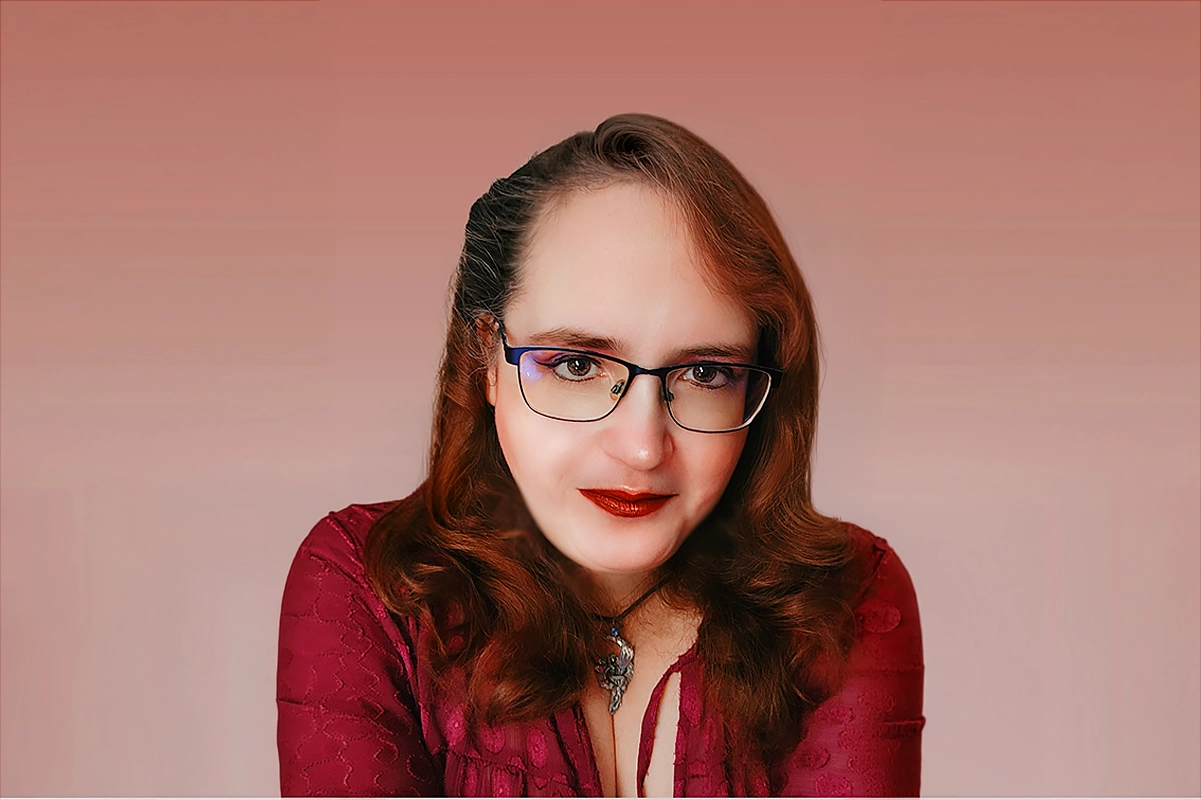
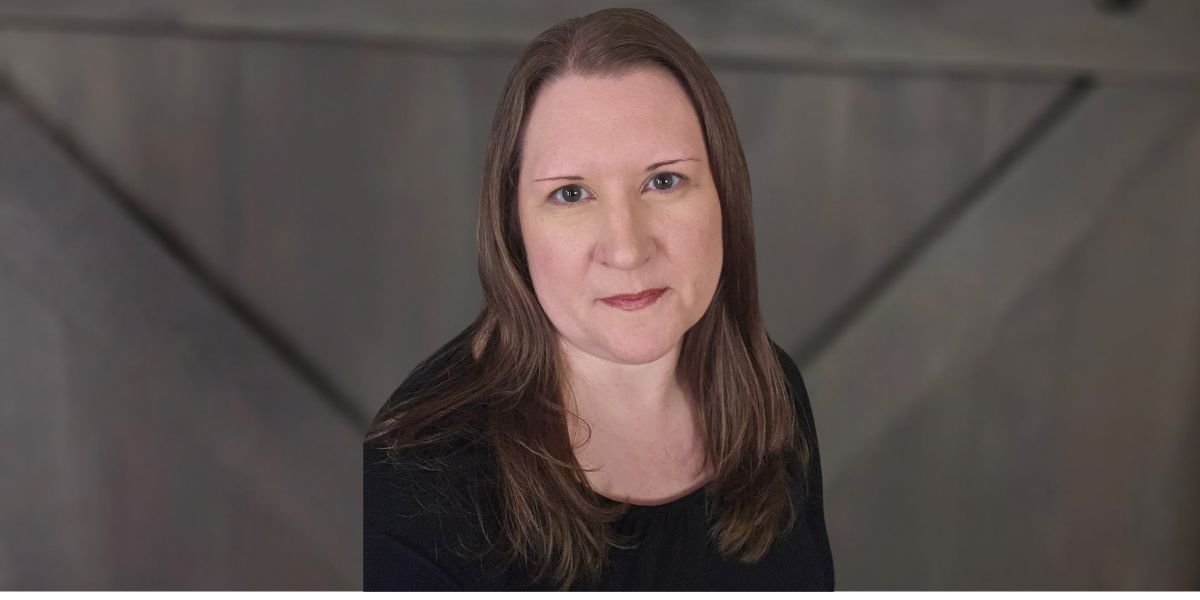
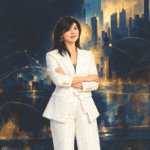
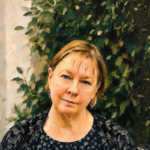
Photo: Amanda Fasciano: Author of The Otherworld, a literary universe uniting paranormal mysteries, modern mythology, and emotionally charged storytelling.
Dark Magic. Twisted Fates. Unforgettable Worlds.
Amanda Fasciano discusses the inspiration behind her paranormal Life After Series, her immersive creation of The Otherworld Universe, and insightful advice for aspiring authors of supernatural fiction.
A manda Fasciano is a literary visionary whose ability to weave complex supernatural worlds into gripping tales is nothing short of extraordinary. As the author behind The Life After Series and The Silent Sentinels, Amanda combines her deep love of paranormal mysteries with emotionally charged storytelling and tantalising romance. Drawing inspiration from personal experiences, intense research, and a passion for all things otherworldly, she crafts stories that resonate with readers and leave a lasting impression. From ghost detectives navigating haunting mysteries to divine beings safeguarding human free will, her Otherworld universe is a rich tapestry of vibrant characters and intricate lore. In this exclusive interview, Amanda shares what fuels her creativity, the challenges her characters face, and the magic behind building an interconnected narrative universe.
Amanda Fasciano masterfully creates darkly enchanting tales filled with supernatural intrigue, unforgettable characters, and richly woven interconnected worlds.
What inspired you to write from the perspective of a ghost in The Life After Series?
I’ve been a fan of the paranormal since I was a kid. Most of the time the stories are about the living dealing with the ghost. They are either there to help the ghost or there for the ghost to torture. But ghosts were once people. My childhood in a haunted house taught me that. I thought it would be interesting to try to take on the viewpoint of the ghost who has to try to keep things as “under wraps” as possible.
How did you come up with the idea of a ghost policing haunted locations?
I watched a lot of the “reality” ghost shows. In most of them you get some minor activity, maybe an EVP or a shadow on the camera. I wondered why? I wondered “what if”? And those questions, along with a dream I had, became the impetus for the first two books.
I love this series, The Life After. It is so unlike anything I have read before… Once I pick up a book from this series there was no way I can lay it down until I have read the last page. – Nancy A.
Can you share some of the challenges Cadence Riley faces as a ghost detective?
She grieves her life, which is a hard thing for her, as she prefers to ignore her feelings rather than accept them. And then, as the reality of the danger of their cases sets in, she fights for her place on the case. The NHD (Non-Human Division, ghostly version of the FBI) argues for jurisdiction, and even her partner thinks it’s too dangerous at times.
How did you approach creating the dynamic between Cadence and her partner?
I wanted something of an Odd Couple dynamic. The older, traditionally “stuffy” Englishman and the brash modern woman I thought would make an interesting dynamic. They balance each other out in ways they really hadn’t expected to. In ways even I hadn’t expected them to.
Every ghost has a story. Every love leaves a mark. And some scars are written in more than just flesh—they echo across The Otherworld.
What kind of research did you do to write about ghosts and supernatural elements?
To completely own my nerdiness, I spent a good portion of my teen years in the library. I read everything I could get by Ed and Lorraine Warren, and anything about parapsychology, the occult, etc. And when the shows like Most Haunted started airing on the history channel, I ate those up too, which let me learn more of the more modern technologies.
How does the inclusion of cultists and chaos demons in Waking Up Dead shape the story?
The cultists are a symptom of a much bigger problem that is part of the universal storyline for The Otherworld. The chaos entity is what proves Cadence’s mettle, how far she is willing to go, how many rules she’s willing to bend or break to keep people safe.
What inspired the setting and storyline of The Dead Show with its haunted prison and reality show?
All of those ghost hunting shows always have episodes in prisons. Those locations being haunted make sense for the amount of blood and death those walls get saturated in when they are in operation. I wanted to bring in a television program like those I watched, after all those shows were what prompted the questions that got The Life After Series started.
This also becomes a study of what happens when someone with scientific know how creates a device that works better than intended. When the rules go out the window, and more is caught on camera than should be, how do the ghosts try to walk it back? All while trying to keep the paranormal team they work with safe.
How did you come up with the concept of The Otherworld as an interconnected universe?
It’s not only the ghosts in the paranormal world that have fascinated me. Shifters, Vampires, Immortals. You name it. As The Life After Series started gaining ground, I realized I could do a series focused on each paranormal creature I wanted, and could then tie them all together into a bigger picture. I often talk about weaving the story. The Otherworld is a tapestry, each series a color to be woven in a design that tell a much bigger story than that one color.
What inspired you to expand The Otherworld from ghost stories into the supernatural with The Silent Sentinels Series?
The inciting incident that opened it up for me is in book five of The Life After Series, Dead Carnage. Something happens that changes the balance of the supernatural in the mortal world. That was my key to opening the lens. With The Silent Sentinels Series, I use that to widen the lens even further. Sentinels are the immortals who guard human free will from supernatural influence. Through them you meet Gods, vampires, shifters, even angels. And there is still more to explore that I have planned.
What conventions or panels have left a strong impression on you as an author?
The biggest one I can point to is when I had Waking Up Dead finished. I went to Tampa Bay Comic Con, just as a fan. There was a panel on self-publishing vs. traditional publishing with R.A. Salvatore, Neo Edmund, and others. Neo was talking about the control you had over your career when you self-published. He made a lot of sense. He was very generous and took the time to talk with me after the panel. Because of him, his saying not to be scared of the “Publish” button, I went home and hit that button. A few years later I was lucky enough to be picked up by 4 Horsemen Publications.
How do fan interactions, either in person or online, influence your creative process or storytelling?
I love fan interactions! Talking about characters, dropping hints, hearing their theories. It’s wonderfully fulfilling to hear that people are that invested in the universe I’m creating. And if people tell me they want more or less of a character, or they would like to see XYZ, I file it away. I listen and take everything under advisement. Because ultimately, I’m creating this for the readers. Not for my own amusement. For theirs.
What advice would you give to aspiring authors trying to create their own interconnected story universe?
I actually teach a Mastery style course on this with Battle Goddess Productions. The best advice I can give is to make a story bible for your universe! It gets to be a lot to keep track of, between characters, powers, things you create for your universe. Put it all in a Universe Bible.