












Paula Perry Shares the Emotional Journey Behind Writing Hard Love
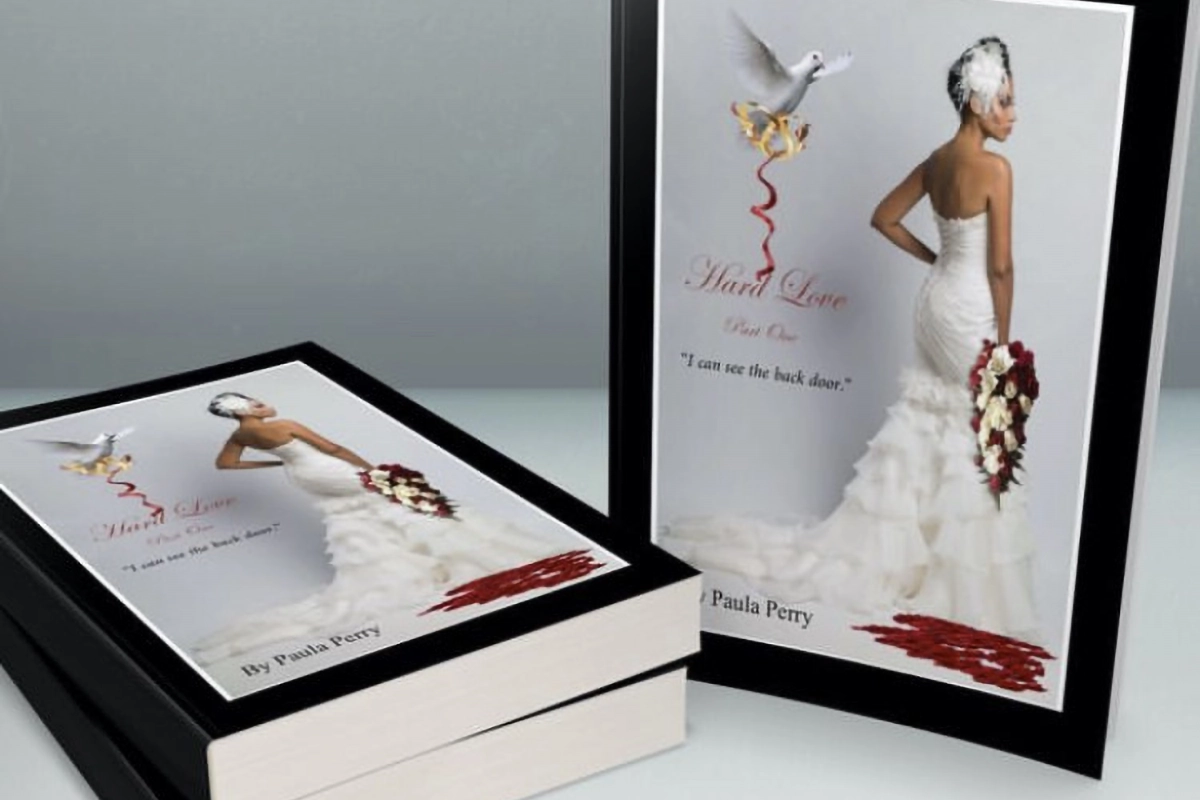
Author Paula Perry, whose latest novel Hard Love is a heartfelt exploration of romance, loss, and emotional resilience.
Paula Perry Talks Hard Love
Paula Perry delves into the inspiration behind Hard Love, her authentic storytelling process, emotional themes, character development, and the powerful message of healing, resilience, and hope in relationships.
P aula Perry is no stranger to exploring the depths of human emotion, and her latest novel, Hard Love, is a testament to her ability to weave intimacy, heartache, and resilience into a moving and unforgettable narrative. Perry, celebrated for her compelling storytelling, takes readers on a profound journey through the complexities of romance, loss, and personal transformation. Her approach is raw and unfiltered, offering a vivid, emotional tapestry of characters who feel as real as the moments in our own lives.
In our interview for Mosaic Digest, Perry opens up about the personal inspirations behind Hard Love, her dedication to crafting authentic characters, and the transformative power of storytelling. This conversation reveals not only the creative passion that drives her but also the vulnerability and life experiences that make her work extraordinarily relatable. Whether you’re discovering her stories for the first time or are a longtime fan, her insights into emotional authenticity and the art of writing will undoubtedly leave a lasting impression. Dive into this exclusive feature to learn how Paula Perry turns deeply personal experiences into universally resonant literature that both heals and inspires.
What first inspired you to write Hard Love and explore its powerful emotional themes?
“Honestly, I had a lot on my mind, and I wanted to create a story that would make readers cry, laugh, and think all at once. Hard Love was inspired by my own experiences with romance, love, and loss, as well as the emotional struggles I’ve witnessed in others. I set out to explore the raw complexity of relationships — the highs, the heartbreaks, and the healing — especially in the wake of separation and divorce. I’ve always been fascinated by how those emotions shape who we become and influence how we choose to love again.”
How did you approach developing the complex inner lives of your main characters?
“When I’m developing my characters, I really like to dig deep into who they are — their passions, motivations, and backstories. I start by asking myself questions like, What are they afraid of? What do they want most? What experiences shaped them into who they are today? I also pay close attention to how they react to one another, because that’s often where their true selves emerge.
A lot of my inspiration comes from real life — the people I meet, the emotions I observe, and even my own experiences. I try to make my characters as relatable and authentic as possible. Writing dialogue is especially important to me because it keeps each character’s voice consistent and helps me explore their thoughts and feelings more deeply. I hope that readers will see a bit of themselves in these characters and feel a genuine emotional connection to their journeys.”
What message or feeling did you hope readers would take away from Hard Love?
“Feeling seen, understood, and less alone in their emotional struggles. The story explores the resilience and complexity of the mind and spirit, showing that while love can sometimes be deeply painful, it also has the power to inspire growth and healing. My goal was to remind readers that even in life’s hardest moments, there is always a path forward — a chance for renewal, self-discovery, and new beginnings. Above all, I want them to close the book with a sense of hope.”
Was there a particular scene that challenged you the most during the writing process?
“There was more than one challenging scene to write, but one that stands out is the moment when the main character confronts the person who hurt her most deeply. It wasn’t just about capturing the dialogue or the tension — it was about balancing anger, grief, and the longing for closure in a way that felt emotionally honest.
I had to reach into my own deepest experiences of loss and forgiveness to make it real, which made the process both painful and cathartic. In the end, those scenes became some of my favorites because they represent a powerful turning point toward healing.”
How do you strike the right balance between romance, realism, and emotional intensity in your storytelling?
“Striking the right balance between romance, realism, and emotional intensity is always a delicate process. For me, it’s about ensuring every emotion and relationship feels authentic, even when the moments are heightened or painful. I never want the story to feel idealized or the emotions to feel forced. Real love is messy and complicated. It can be beautiful one moment and uncomfortable the next, and I try to honor all of those layers in my writing.”
Did you draw from personal experiences or observations when shaping the relationships in Hard Love?
“My previous career required me to relocate often, allowing me to meet an array of fascinating people who broadened my perspective on work, family, love, and social connections. Writing has long been a form of therapy for me — cheaper than counseling, as I like to say — offering a space to translate emotion and experience into story. The relationships in Hard Love are deeply rooted in real encounters and shaped by my reflections on the people and moments that have left a lasting mark on my life.”
Which secondary character in the story do you feel adds unexpected depth or contrast to the main narrative?
“There are several supporting characters in Hard Love who add unexpected depth and contrast to the main narrative. Each one contributes something unique — whether it’s a different perspective on love, a moment of honesty, or an emotional challenge that helps the main character grow. Their presence enriches the story by highlighting the complexity of relationships and showing that love doesn’t exist in isolation. Through their roles, readers see how every connection — no matter how small — can shape the direction of the heart.”
How did your writing process for Hard Love differ from your previous projects?
“This story came from a deeply personal place, and I approached it with more emotional honesty and vulnerability than ever before. In earlier works, I focused mainly on structure and plot, but with Hard Love, I allowed myself to slow down and really connect with the characters on a personal level. I wrote from experience, from scrutiny, and from the heart — letting the story unfold naturally rather than forcing it to fit a formula.
It was therapeutic for me; writing this novel became a way to process my emotions and life lessons, which made the journey both challenging and incredibly rewarding.”
What has been the most surprising or memorable reaction from readers since the release of Hard Love?
“How deeply readers have connected with the emotional honesty of the story. Many have shared that the characters felt real — like people they actually knew — and that parts of the story mirrored their own personal experiences. Some even asked if the story was true. Hearing that the book helped someone see themselves differently or brought them comfort during a difficult time has been incredibly humbling. I never expected it to resonate so deeply, and those heartfelt messages remind me why I write — to connect, to heal, and to inspire.”
What advice would you give to other authors who wish to write authentic and emotionally resonant love stories?
“Turn your lemons into lemonade — start with the truth, your own truth. Don’t be afraid to draw from your personal experiences, observations, and emotions, even the uncomfortable ones. Authenticity grows from vulnerability, and readers can always sense when a writer is being real.
Take the time to truly understand your characters — their fears, flaws, and desires — because love stories aren’t just about romance; they’re about growth and healing. Most importantly, write from the heart, not from what you think readers want to hear. When your story carries genuine emotion, it will always find its way into the hearts of others. Focus on relatable situations that connect intimately with readers’ emotions, carrying meaningful lessons and powerful truths drawn from real life.”