





The Chef Who Believes Every Stranger Should Leave As A Friend
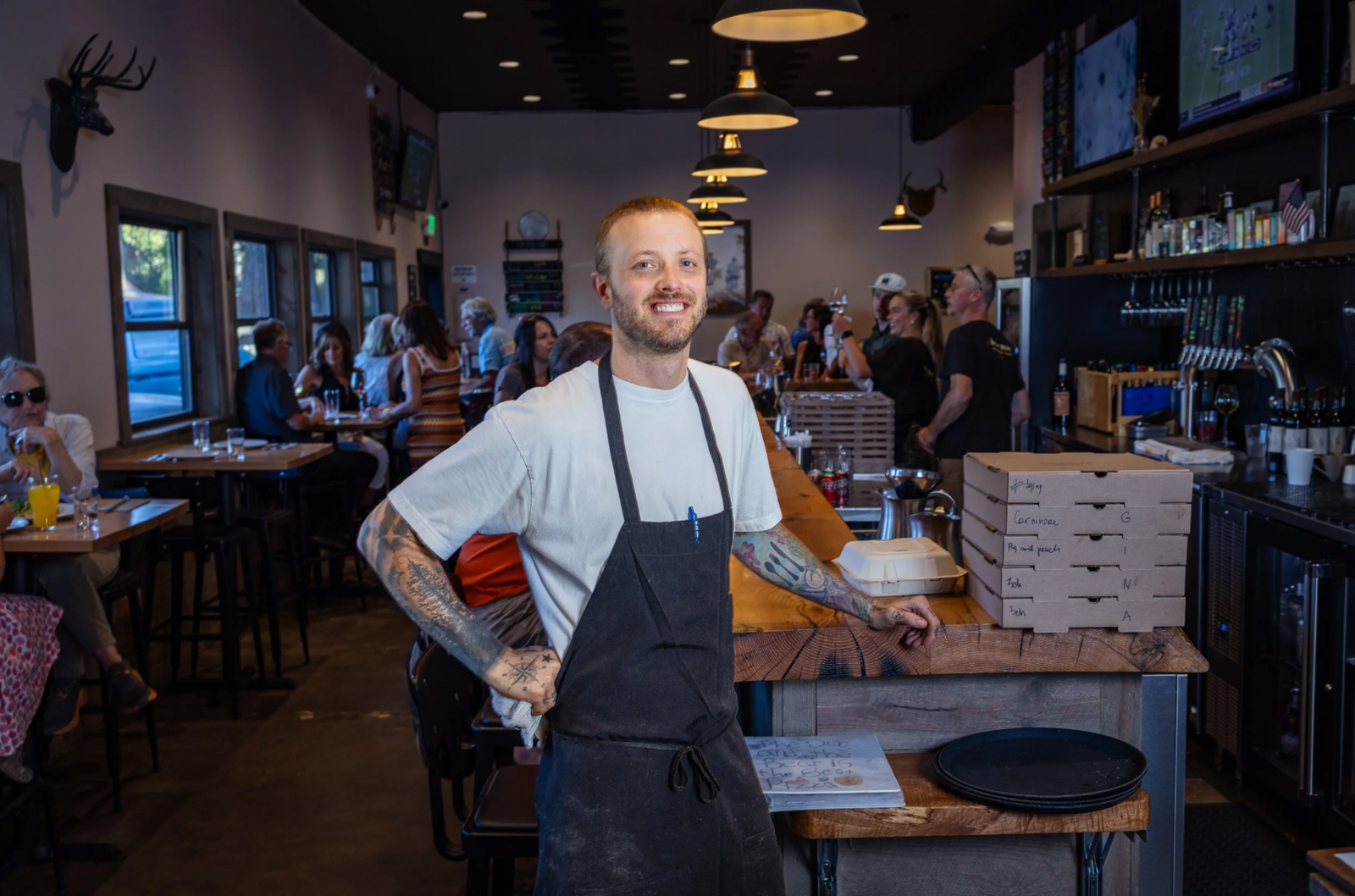
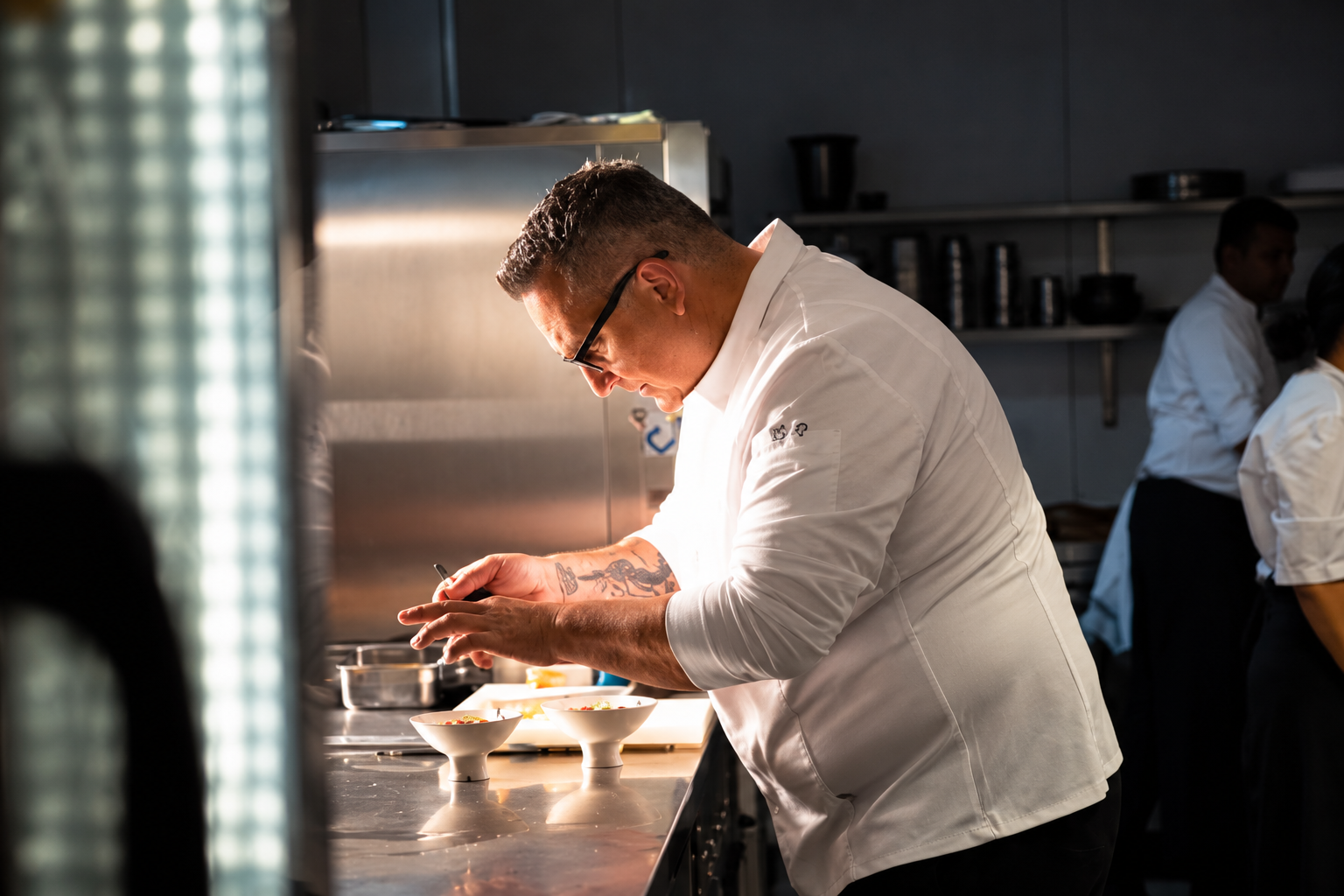
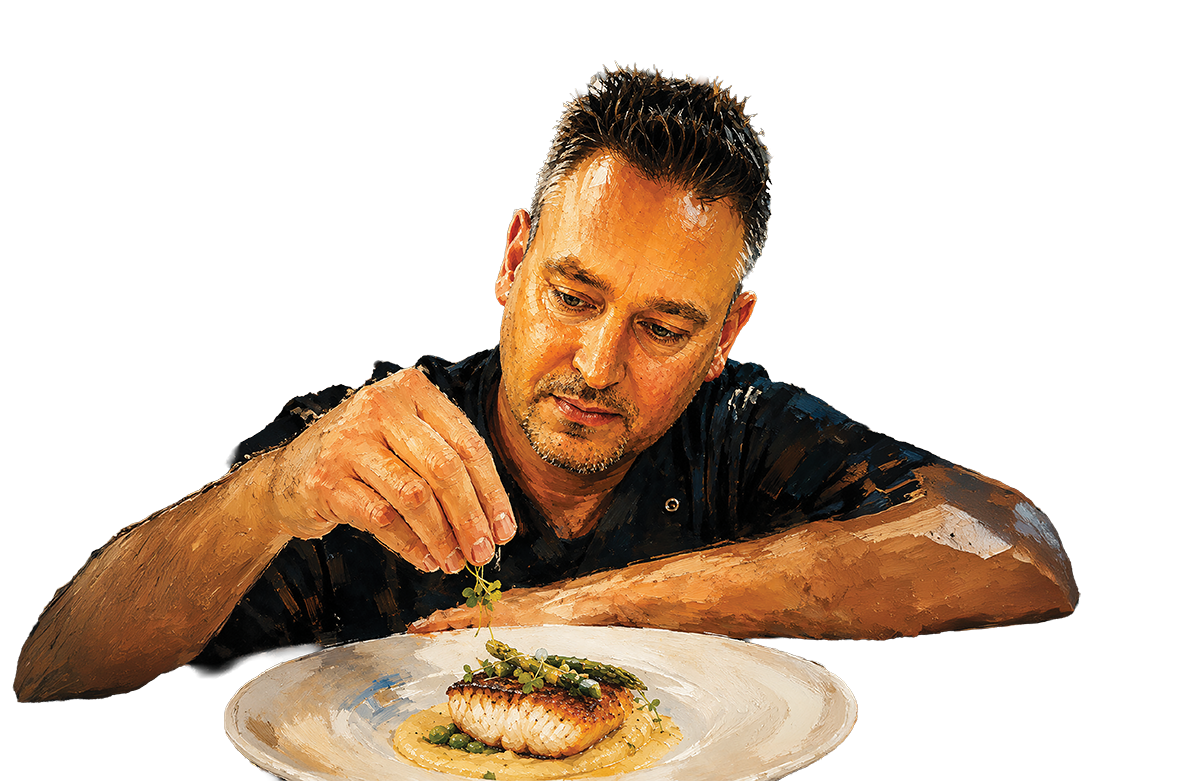
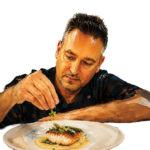
Photo: Chef Jesse Mathewson, Executive Chef of The Dog and Bear Tavern, whose seasonal cuisine and heartfelt hospitality have made his Lake Tahoe restaurant a cherished community gathering place.
The Daily Service: Chef Jesse Mathewson’s Labour of Love
Chef Jesse Mathewson reflects on creativity, seasonal cuisine, authentic hospitality, leadership, and building lasting relationships, revealing how food, teamwork, and community have shaped both his restaurant and culinary philosophy.
Chef Jesse Mathewson has built more than a restaurant in Lake Tahoe—he has created a community. Drawing on years of experience in some of California’s top kitchens, Mathewson blends creative, locally driven cuisine with genuine hospitality, ensuring that every guest leaves feeling like a friend.
C hef Jesse Mathewson of The Dog and Bear Tavern in Lake Tahoe, California, grew up in San Francisco watching his dad cook and touring local oyster farms. After starting at a pizza joint at 14 years old, Jesse worked his way through some of California’s top kitchens while attending culinary school in the meantime. His passion for local sourcing, low waste, and creating a familial environment for his staff shine through his food and hospitality.
Lake Tahoe is a unique and trying spot for a restaurant, as the proprietor must cater to both engrained, long-time locals and hordes of one-time tourists looking for an easy meal after spending their day at the beach. But Chef Jesse makes it look easy. His creative culinary genius and constantly-changing menu can entice tourists for a standout meal, ensure locals never get bored, and cater to those who just want a simple pepperoni pizza and a beer.
Chef Jesse Mathewson exemplifies creativity, humility, and genuine hospitality, inspiring guests and teams alike through exceptional leadership, thoughtful cooking, and unwavering authenticity.
In addition to the top-notch food, Jesse and his team’s hospitality is key at the Dog and Bear, living by the motto: ‘Enter as guests, leave as friends.’ The team is filled with couples, friends, and family, most of whom are breaking the restaurant biz mould and living completely sober lives—led by Jesse himself. The amiable vibes are clear from the moment you walk in the door.
During our conversation, Chef Jesse shared about his culinary journey, the lessons learned from California kitchens and culinary school, the evolving role of leadership in hospitality, and his proudest moments. Thoughtful, insightful, and inspiring, his reflections reveal not only the mind of a wildly creative and fun chef but also the character of a leader committed to creating a third place for his employees and his guests alike.
How would you describe your culinary identity today, and how has it evolved since you first started cooking?
My culinary identity started when I was younger, right after culinary school with French and Italian cuisine—because that’s what was taught. Now I’m focused more on creative flavours, fresh and local produce, California cuisine, and modern comfort food.
What’s your process for inventing a new dish? Does it start with an ingredient, a memory, a technique, or something else entirely?
When I’m coming up with a new dish, I usually start with seasonal ingredients and then build fun and interesting flavours around that with various culinary techniques. I don’t usually go with the grain when coming up with dishes and I think that’s the fun part.
You’ve worked your way through some high-level kitchens in California and also did your training at culinary school. What did you learn in kitchens that you couldn’t learn in school, and vice versa?
One thing I learned from working in restaurants was how to have a strong work ethic; always stay busy and always try to be the hardest-working person in the kitchen. Having a clean and well-organised kitchen is very important to success. That’s not taught in culinary school, but it is extremely important.
‘Enter as guests, leave as friends’ is a strong hospitality philosophy—what does that look like in practice during a busy service?
I always try to take the time to say hi to as many people as I can in the restaurant…It’s vital to remember faces and names. Making eye contact and giving a friendly wave goes a long way.
It’s also always good to remember one key thing about each guest whether it’s an allergy, their favourite ingredient, favourite wine or beer, or even a memory or story they told you. Trying to go above and beyond is crucial to running a successful restaurant.
You and your wife work in the kitchen together alongside several couples on the team. How does that shape the dynamic of service and communication?
Working alongside your partner is something that’s built brick by brick, and it’s definitely not for everybody. Kat and I are a very good team and we both have our strengths and weaknesses and we acknowledge that. I’m the creative personality and Kat is the organisation. We support each other in our strengths and help each other in our weaknesses. We make sure to let nothing get between us and we never bring the work drama home. I wouldn’t have it any other way. I love working with her.
What do you look for when hiring or mentoring other cooks or staff members?
It’s definitely a challenge hiring people these days, especially in Tahoe. But I’m looking for someone who is willing to put in the hours and always stay busy while observing and trying to learn and do better in the kitchen. But most importantly, someone who has a positive attitude. In the end it’s just cooking… so let’s have fun.
How has your definition and style of leadership changed from when you first stepped into professional kitchens to now?
When I was first working in kitchens, I took a step back and was watching and learning as much as I could; I think the most important thing is to observe. As I got older, I think it’s essential to set the tone as the hardest worker who’s not afraid to work and do anything in the kitchen instead of just delegating everything. I put in the most hours I can over anybody else, so I set the tone and work ethic.
How do you define what makes a restaurant ‘great’ in a place like Lake Tahoe, where tourism and locals may have very different expectations?
It’s a challenge to have a restaurant in Tahoe. But the most significant thing is providing the healthiest, best quality ingredients. I also try to be a friend to all the guests who come into our restaurant. People come to Tahoe on vacation to have a good time, so we try to provide that fun atmosphere with friendly faces. We like to talk about mountain biking and hiking, and what we did on our weekends.
What has been your proudest moment as a chef so far? Was it a dish, a service, or a milestone?
When you find an awesome partnership with owners, chefs, and your employees, that is very monumental and it makes me proud every day. Watching my employees grow and stand by my side in loyalty may be my proudest moment. Also, seeing the same faces return to the restaurant over and over again makes me feel a sense of pride. Some days in the tavern we almost know every single person sitting inside and that makes me happy.
What does success look like for you now at this stage of your journey?
At this stage, I’ve been able to create so many fun dishes, and I’ve worked at some other amazing places and very nice restaurants. I’ve met so many wonderful people and heard so many amazing stories. I would just like to keep it going as long as I can! The everyday to me, it’s not work. The daily service is the best part of the restaurant.
When someone leaves your restaurant, what do you hope they remember most about the experience?
I just want people to feel welcome as guests and know that they’re welcome back anytime as our friends. We try to make special connections as much as we can. Sometimes that’s more important than a dish on the menu; it’s all about the experience. Everybody’s a local to us in Tahoe at our restaurant.