









Chef Arup Is Redefining Indian Fine Dining Through Excellence, Innovation and Leadership
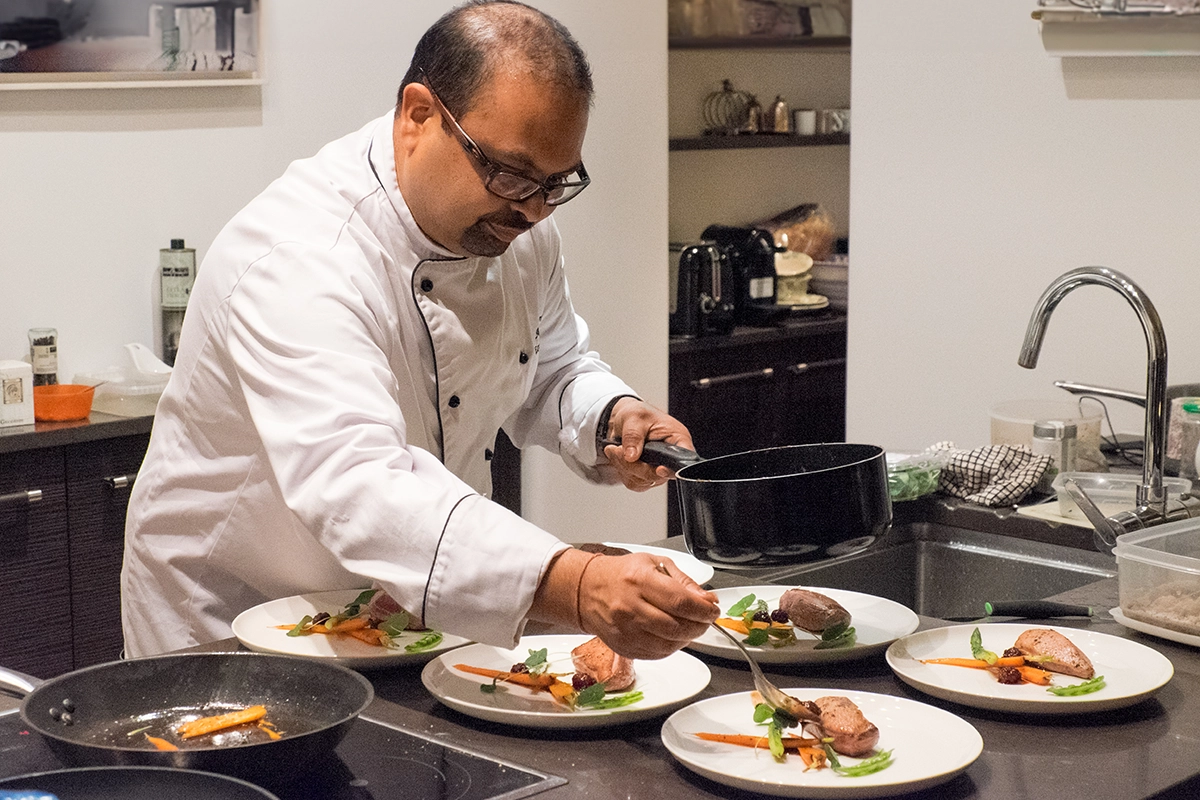
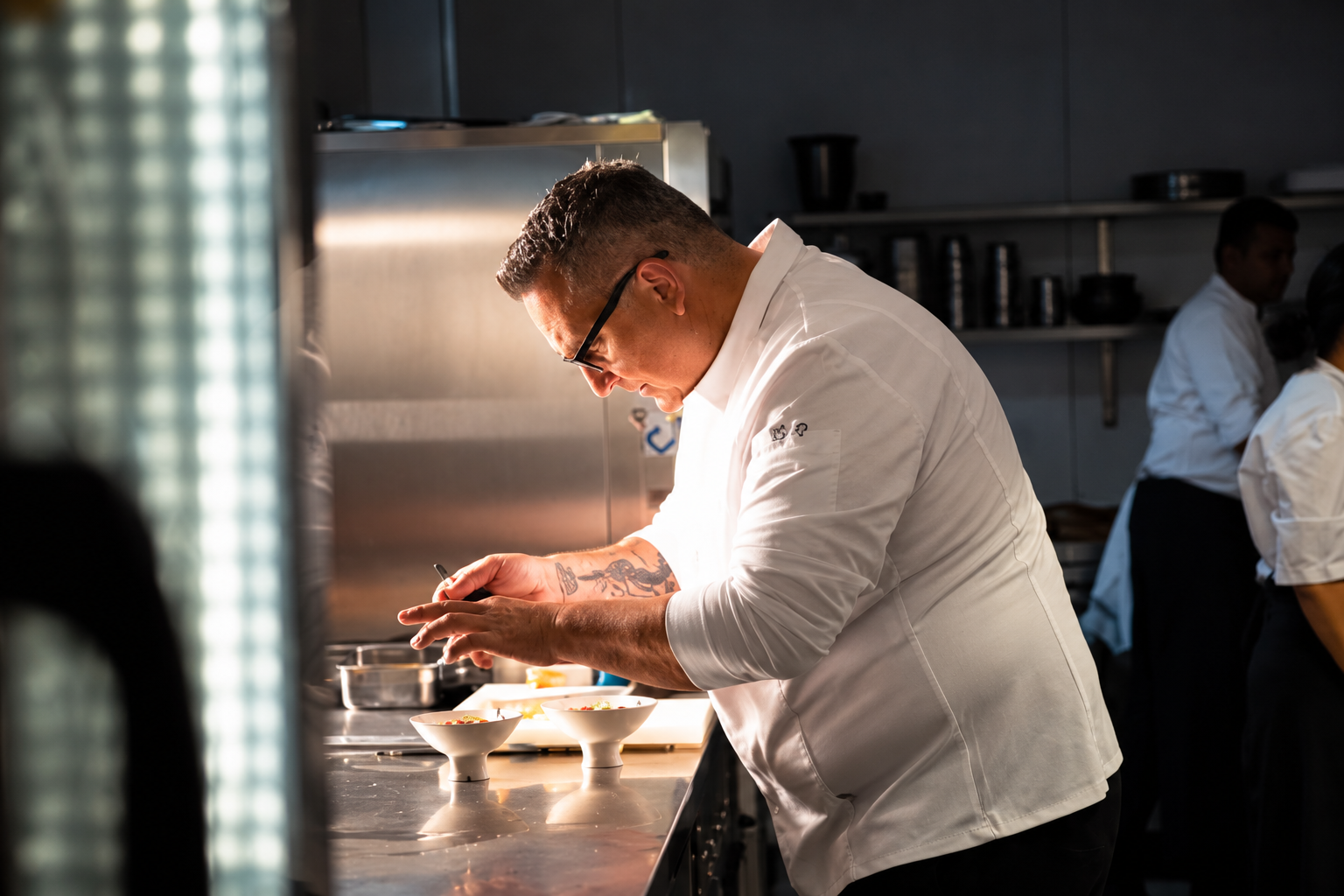
Photo: Chef Arup, award-winning chef, hospitality leader and founder of Euphoria by Chef Arup, whose innovative approach combines Indian heritage with global culinary excellence.
A Global Culinary Visionary On Heritage, Mentorship, Competition And The Future Of Indian Gastronomy
Award-winning Chef Arup reflects on his global culinary journey, Michelin-starred training, leadership philosophy, competition success, and mission to elevate Indian cuisine while inspiring future generations of hospitality professionals.
Few chefs embody the spirit of modern hospitality quite like Chef Arup. A culinary craftsman, mentor, innovator and leader, he has spent more than three decades building an extraordinary career that spans continents, cultures and cuisines. From the vibrant food traditions of India and the refined discipline of Michelin-starred France to the multicultural influences of the Middle East and the dynamic hospitality landscape of the United Kingdom, his journey reflects a relentless pursuit of excellence and a deep respect for the power of food to connect people.
What distinguishes Chef Arup is not merely his impressive list of accolades—although his recent honours, including National Curry Chef of the Year Gold, Private Chef of the Year, Asian & Oriental Chef of the Year, and an Honorary Doctorate in Hospitality Leadership, speak volumes about his standing within the industry. Rather, it is his unwavering commitment to authenticity, innovation and mentorship that sets him apart. Throughout his career, he has consistently challenged perceptions of Indian cuisine, demonstrating that tradition and creativity can coexist beautifully on the same plate.
As Chef-Patron of Euphoria by Chef Arup, he continues to redefine luxury dining through highly personalised culinary experiences that celebrate both heritage and contemporary gastronomy. Yet despite his many achievements, he remains remarkably grounded, viewing himself as a lifelong student of the craft and a passionate advocate for the next generation of hospitality professionals.
• More than three decades of international culinary and hospitality experience.
• Trained under Michelin-starred Chef Gilles Dauteille in France.
• Successfully blended Indian heritage with classical European techniques.
• Founder and Chef-Patron of Euphoria by Chef Arup.
• Winner of National Curry Chef of the Year Gold.
• National Champion in the Asian & Oriental category.
• Recipient of Private Chef of the Year.
• Awarded an Honorary Doctorate in Hospitality Leadership.
• Advocates mentorship, wellbeing and sustainable hospitality careers.
• Passionate about elevating Indian cuisine on the world stage.
• Believes leadership is rooted in service, empathy and empowerment.
• Continues competing professionally to drive personal growth and excellence.
During our conversation, Chef Arup spoke candidly about his global culinary journey, the lessons learned from Michelin-starred kitchens, the evolving role of leadership in hospitality, and his ambition to elevate Indian cuisine on the world stage. Thoughtful, insightful and deeply inspiring, his reflections reveal not only the mind of an accomplished chef but also the character of a leader committed to leaving a meaningful legacy.
It is our privilege to present this exclusive interview with a chef whose influence extends far beyond the kitchen, and whose work continues to enrich the culinary world one exceptional dining experience at a time.
Your culinary journey has taken you across India, France, the Middle East, and the UK. How has each region influenced your philosophy as a chef and leader?
Every country I have worked in has left a lasting impression on both my culinary philosophy and leadership style. India gave me my foundation—a deep respect for flavour, hospitality, culture, and the emotional connection to food. France taught me discipline, refinement, and the pursuit of excellence through consistency and technique. The Middle East exposed me to multicultural environments where understanding different people, traditions, and expectations became essential. The United Kingdom has provided the creative freedom to bring these influences together and develop my own culinary identity.
As a leader, these experiences taught me that while standards must remain high, successful leadership is built upon understanding people, embracing diversity, and creating environments where individuals can thrive, feel safe and contribute their best.
You trained under Chef Gilles Dauteille at a Michelin-starred Relais & Châteaux property. What is the most valuable lesson from that experience that still shapes your work today?
The greatest lesson I learned was that excellence is a habit rather than an occasional achievement. Under Chef Gilles Dauteille, every detail mattered, from ingredient selection and preparation to presentation and guest interaction. Nothing was left to chance.
That philosophy continues to guide me today. Whether creating a tasting menu, mentoring a young chef, or managing a hospitality operation, I believe success is built through consistency, discipline, and an unwavering commitment to quality. Excellence is often found in the details that many people never see.
Your cuisine blends Indian heritage with classical European techniques. How do you strike the balance between authenticity and innovation without compromising either?
Authenticity and innovation should complement one another rather than compete. For me, authenticity lies in preserving the essence, history, and emotional connection behind a dish. Innovation allows us to present those flavours and stories in new and exciting ways.
I never innovate simply to be different. Every modern technique or contemporary presentation must have a purpose and enhance the guest experience. If the soul of the dish remains intact, innovation becomes a powerful tool for storytelling and evolution rather than a departure from tradition.
Food often carries memories and emotions. Can you share a dish that tells a particularly personal story about your own life or heritage?
One dish that holds deep personal meaning for me is my modern interpretation of Daulat Ki Chaat. It represents the meeting point between memory, tradition, and creativity. This iconic North Indian dessert takes me back to my childhood in India and my early career days in New Delhi, where I first experienced the depth and simplicity of this iconic sweet dish in the streets of Old Delhi.
Reimagining it in a contemporary fine dining context allows me to honour those early memories while expressing the journey I have taken as a chef. It is a dish that reflects both where I come from and how far I have evolved — rooted in heritage yet shaped by innovation.
You have held senior leadership roles with major hospitality brands. How has your approach to managing teams evolved over the years?
Like many chefs, I began my career believing leadership was primarily about authority, control, and delivering results. Experience has taught me that true leadership is about service, empowerment, and developing others.
Today’s hospitality professionals seek more than a salary; they seek purpose, growth, recognition, and balance. My role as a leader is to create an environment where people feel valued, challenged, and supported. The greatest satisfaction comes not from personal achievements but from seeing team members grow into successful professionals.
The hospitality industry faces ongoing challenges in talent recruitment and retention. What do you believe employers need to do differently to attract and inspire the next generation?
The industry must continue to evolve. Young professionals are looking for meaningful careers, strong mentorship, professional development, and a healthy work-life balance. Hospitality has traditionally relied on long hours and sacrifice, but the future requires a more sustainable approach.
Employers must invest in people with the same energy they invest in renovation, concepts, menus, and brands. Organisations that prioritise learning, wellbeing, inclusivity, and career progression will attract and retain the next generation of talent. People are the industry’s greatest asset, and they should be treated as such.
Winning National Curry Chef of the Year Gold, Private Chef of the Year, and Asian & Oriental Chef of the Year in 2025 was a remarkable achievement. Which of these recognitions was most meaningful to you, and why?
Each award holds its own significance, but National Curry Chef of the Year Gold was particularly meaningful as it challenged me to compete against some of the industry’s most talented chefs at the highest level. Competitions of this standard test not only technical ability, but also creativity, discipline, organisation, and resilience under pressure.
Alongside this, being recognised as National Champion in the Asian & Oriental category at the House of Lords carried a very special sense of honour. The setting itself adds symbolic weight to the achievement, representing recognition at a national level within a prestigious and historic environment.
Interestingly, while I have achieved Gold, the National Curry Chef of the Year, Champion title has eluded me for the past two years. In many ways, that is what keeps me engaged with competition cooking. I will return for it again — not as closure, but as continued evolution.
Ultimately, these experiences reinforce a simple belief: growth never ends. Even after more than three decades in hospitality, I continue to compete because I remain a student of the craft, and I believe there is always another level to reach.
As Chef-Patron of Euphoria by Chef Arup, what distinguishes a luxury private dining experience from traditional restaurant dining?
Luxury private dining is ultimately about personalisation. Guests are not simply enjoying a meal, they are experiencing something created specifically for them. Every menu, ingredient selection, and detail is carefully tailored to the occasion and the individuals involved.
The intimate nature of private dining allows for a much deeper connection between chef and guest. It transforms dining into an experience that is immersive, memorable, and highly personal. That level of engagement is often difficult to achieve within a traditional restaurant environment.
You were awarded an Honorary Doctorate in Hospitality Leadership in 2026. What does leadership mean to you in today’s hospitality landscape?
Receiving the Honorary Doctorate was both humbling and deeply meaningful. For me, leadership is not about position or status; it is about influence, responsibility, and service.
Hospitality is fundamentally a people business. Effective leaders create opportunities, nurture talent, encourage innovation, and build cultures based on respect and trust. In today’s rapidly changing environment, leadership also requires adaptability, empathy, and the ability to inspire others during periods of uncertainty and change.
Indian cuisine is enjoying unprecedented global recognition. What opportunities and challenges do you see for Indian chefs seeking to elevate the cuisine internationally?
This is one of the most exciting periods in the history of Indian cuisine. The global audience is increasingly interested in regional diversity, indigenous ingredients, and authentic culinary stories. This creates tremendous opportunities for chefs to showcase the true depth and sophistication of Indian gastronomy.
The challenge is ensuring that we remain authentic while appealing to international audiences. We must move beyond stereotypes and demonstrate that Indian cuisine is every bit as refined, diverse, and technically accomplished as any other great culinary tradition. Indian chefs have a unique opportunity to become cultural ambassadors while helping shape the future of global gastronomy.
Mentorship is a recurring theme throughout your career. What qualities do you look for in young chefs, and what advice would you give them for long-term success?
Technical skills can be taught, but attitude for me is invaluable. I look for curiosity, humility, resilience, discipline, and a genuine desire to learn. The best young chefs understand that mastery is a lifelong journey.
My advice is simple: focus on building strong foundations, remain patient, seek mentors, and never stop learning. Success in hospitality rarely happens overnight. It is achieved through consistency, perseverance, and an enduring passion for the profession.
When guests leave one of your dining experiences, what emotions or memories do you hope they take away with them?
I hope they leave with a sense of connection. Food is far more than nourishment; it is one of the most powerful ways we share stories, create memories, and bring people together.
If guests leave feeling inspired, surprised, emotionally connected, and eager to talk about the experience long after it has ended, then I know I have succeeded. The greatest compliment is not simply that a dish was delicious, but that it created a lasting memory.
After more than three decades in hospitality and numerous accolades, what is the one dream, project, or ambition that you have yet to achieve—and what would success look like for you?
My ambition is to contribute meaningfully to the continued global elevation of Indian cuisine while creating a legacy through mentorship, education, and innovation. I would like to see Indian gastronomy recognised alongside the world’s most celebrated culinary traditions, not only for its flavours but also for its sophistication, diversity, and cultural significance.
Alongside this, I still feel a strong pull toward competition and representing my craft on larger international stages. There is something uniquely powerful about competing under pressure, refining ideas to their purest form, and, where possible, representing Great Britain while showcasing the depth and evolution of Indian cuisine and culture on a global platform. For me, it is less about titles and more about contribution—bringing visibility to the cuisine I am passionate about at the highest level.
Success, for me, is not measured solely by awards, titles, or recognition. It is measured by the impact I leave behind—the chefs I have mentored, the guests I have inspired, the businesses I have helped build, and the positive contribution I have made to our profession. If future generations can build upon what my generation has achieved and continue to raise the profile of our industry, that would be my greatest accomplishment.