








From Castles To Creatures – The Creative Journey Of Jan Foster
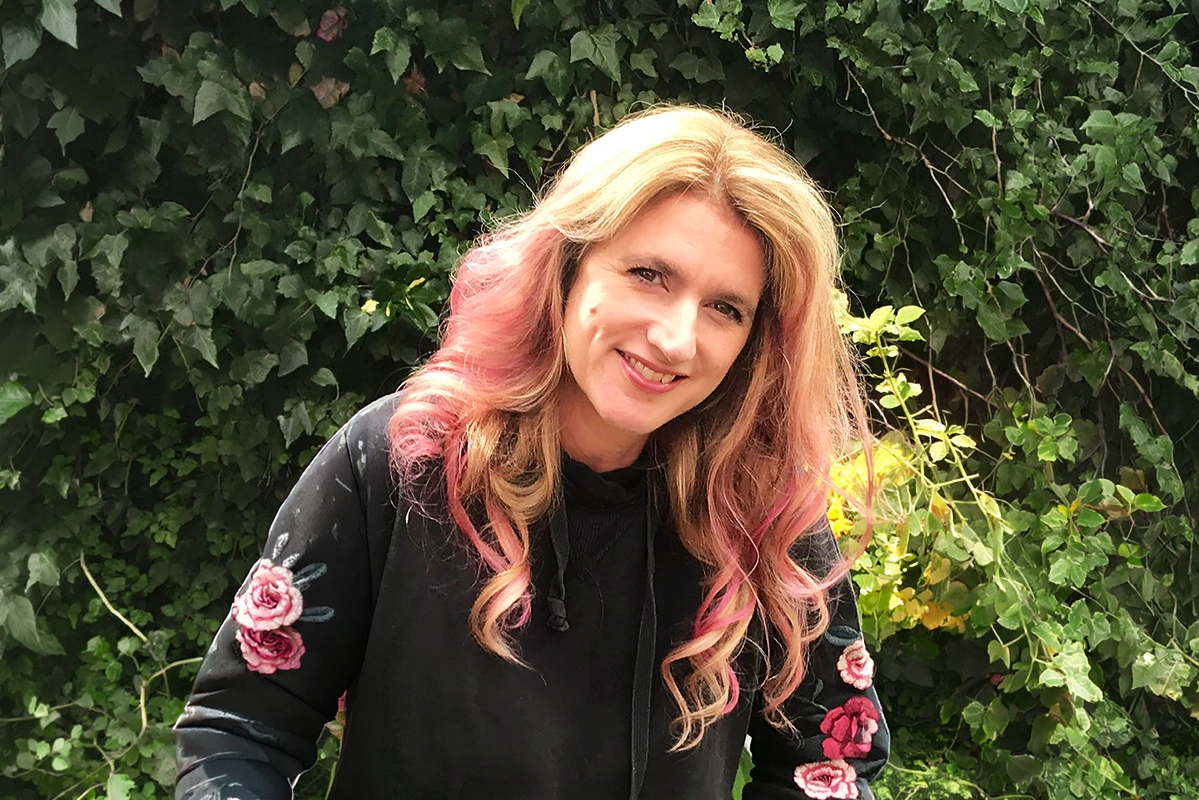
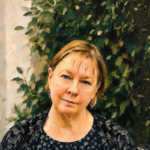
Photo: “Jan Foster, blending history with fantasy and a sprinkle of magic to inspire readers everywhere – photographed during a creative break.”
Magic And History Woven Together By A Talented Wordsmith
An inspiring discussion with Jan Foster about blending history and magic in storytelling, writing as a mother, her love for castles, and the creative process behind her enchanting novels.
J an Foster, a brilliant storyteller with a passion for weaving history and fantasy into captivating tales, is an author who invites readers to escape into mesmerising, magical worlds. From her enchanting Naturae Series, blending historical fantasy with vibrant characters, to heartfelt children’s books like Mitch and Mooch Try Swimming, Jan offers stories for all ages with meaningful depth and relentless imagination. A devoted researcher and advocate for literacy, she brings history, courage, and creativity together in her works, offering readers an unforgettable experience. Join us as we delve into her creative process, inspirations, and upcoming projects sure to leave an everlasting imprint on your heart.
Jan Foster combines historical brilliance and magical storytelling, creating heartfelt tales that inspire readers of all ages with boundless imagination.
What inspired you to blend history with magic in your writing?
I’ve always been fascinated with history, and in particular imagining ‘What If’ things had gone differently, different choices had been made.
How do you balance your daytime consultancy work with your writing?
One of the joys of being a writer is the flexibility to work around other commitments (as long as they aren’t too numerous!). Some weeks are busier than others, and I’m grateful to be able to respond quickly to my clients if they have a crisis. I write in sprints, fitting them in between other projects, and, as my books become more successful, I’m able to be choosy about taking on new clients for my small business consultancy. As a proudly ‘indie author’ myself, I also love to share my experiences and offer advice about self publishing, and I enjoy public speaking about developing writing into a business. I love to see small businesses succeed and grow – be they in the publishing arena or otherwise – and sharing my knowledge is a part lifting others up into success as well.
“I get so excited by what I have discovered in my research, I have a tendency to over-write first drafts.” – Jan Foster
Why do you enjoy setting stories in historical periods like medieval Wales or Tudor England?
History and the places where important events have always fascinated me. I’m one of those people who get quite deliberately lost in a historical site, just so I can imagine what it was like and discover how people lived or worked there. I hope this passion comes translates into words, to bring the past alive for my readers so that they can share that escape. When I start a book, my first port of call is always the history – what occurred, when, where, and with whom. The plot lines of my story’s narrative mirror or directly occur in those events, as my characters experience what happened and I explore how it affected them and their subsequent choices, much like what happens in the world today affects our own. I also believe the past can inform us – human nature being what it is, we can see how what went before is likely to affect what happens now.
What motivates your passion for castles and historic buildings?
The world of the past was quite different – people were less mobile, societal divisions more rigid, and nowhere else do you see that evidenced more than in a castle or an old building. It’s also far easier to transport yourself to those times, and thus write about then authentically, if you have visited. I feel strongly that our past should be preserved, to show our children if nothing else, or it will be forgotten about. While a ruin may now be viewed as romantic, they make me feel as if a piece of our shared past has been lost, neglected when it should be treasured.
“Merging fantasy with history allows me to explore the ‘What if’s’ of the time.” – Jan Foster
Could you share your favourite part of writing A Rose in Midwinter?
I had, since the inception of the main Naturae Series of novels, always intended to write a wedding, but it never quite fitted into the overarching storyline of a fae couple who, having committed to each other, then had to navigate both their relationship and bigger questions about their destiny. I’m not a huge romance reader myself, I guess because of the inevitability of the genre which must end in a HEA to be considered a romance. Happily married myself with my days of navigating a blossoming relationship thankfully behind me, I’m more concerned on a personal level with sustaining a relationship. However, (isn’t there always a but), I began to get questions from readers about the gap between Destiny Awaiting (my one enemies to lovers romance where Aioffe and Tarl/Joshua get together) and Disrupting Destiny (where their marriage is tested). As I began to publish shorter novella-length Fables from Naturae, I could give my readers the proposal and wedding they wanted. And, I was inspired by Margaret Beaufort herself, as both the mother of the Tudor dynasty, and also such a trail-blazing and influential woman. A Rose in Midwinter sees her at a vulnerable time, reminding us that strength is gained through facing adversity.
How do your surroundings in Manchester influence your creative process?
I was never a city girl, but having lived close to Manchester and worked in the centre for many years, I now proudly call myself a Manc! It’s a vibrant city, celebrated for its culture and the role it played in the Industrial Revolution. Its also full of friendly people, and I enjoy meeting other author friends there as it’s so well located in England. The different areas of Greater Manchester – from the rolling hills of Oldham to the bustling, Tudor streets of Stockport and nearby Chester – do provide me with inspiration as well.
What is the role of fantasy elements in shaping your stories?
Merging fantasy with history allows me to explore the ‘What if’s’ of the time. What if a female ruled a Queendom – how would that look different to the patriarchal society of the time? What if Henry Fitzroy, bastard son of Henry VIII and born before Elizabeth I, hadn’t died, and what would he be like? What if, as the Tudors believed, magic WAS real? All of my fantasy creatures have aspects of our wider human society at their core – from witches who perform healing with their hands, to daemons who humans recognisably on the neurodiverse spectrum – brilliant but often find it difficult to express themselves for example.
What challenges do you face when incorporating historical events into your fiction?
I get so excited by what I have discovered in my research, I have a tendency to over-write first drafts. I then have to take a heavy red pen and lose some of the detail that I got so invested in getting right in the first place, to ensure that the story still shines through and doesn’t get bogged down!
How do you approach creating characters that feel both human and magical?
All of my characters – fantastical or human – have to ‘feel’ human because I write magical realism. Much as though it is occasionally tempting to have a dragon fly over and torch things when it gets tough for those on the ground, there are rules which the reader expects from my fantasy world, much as we expect from our own. The magic is grounded in reality and I have many references to pagan rites or wicca rituals to use as inspiration. And characters, much like humans, have their decisions driven by the overriding emotion at the time, and their needs, just as ours, must be their motivation in order for them to feel authentic. For my main characters, I know their history, because what happened before Page One, informs how they react to the events in the plot.
Which authors or books have had the biggest influence on your writing style?
As you would expect, my bookshelves are full of historical fantasy / magical realism authors, from Deborah Harkness and Shelby Mahurin, to Ben Aaronovitch with his more contemporary Rivers of London series. I’m possibly Bernard Cornwalls biggest fan as well as CJ Sansom for straight up Tudor historical fiction. I also enjoy books by the ‘proper historians’ like Phillipa Gregory, and I have a lot of reference books as well.
What advice would you give to readers looking to explore more historical fantasy?
For me, there is nothing worse than reading a ‘vaguely historical’ book; I find quite a few fantasy authors fall back on faintly medieval settings with inns, and riding around on horses which cover unrealistic distances in a matter of days! If you want to immerse yourself in historical fantasy, and it is quite a niche genre, please support those authors who take the time to give you a richly layered escape into the past, as I’m sure you too will find it both illuminating and rewarding. We don’t publish as fast, because it takes time to be authentic, but being inspired by history, weaving it into a story, and sharing it with readers is our way of hopefully helping make sense of the world as it is today, or at the very least, provide an escape from reality!