











Carol Strickland Illuminates Art, Architecture, History, And Fiction Through Her Writing
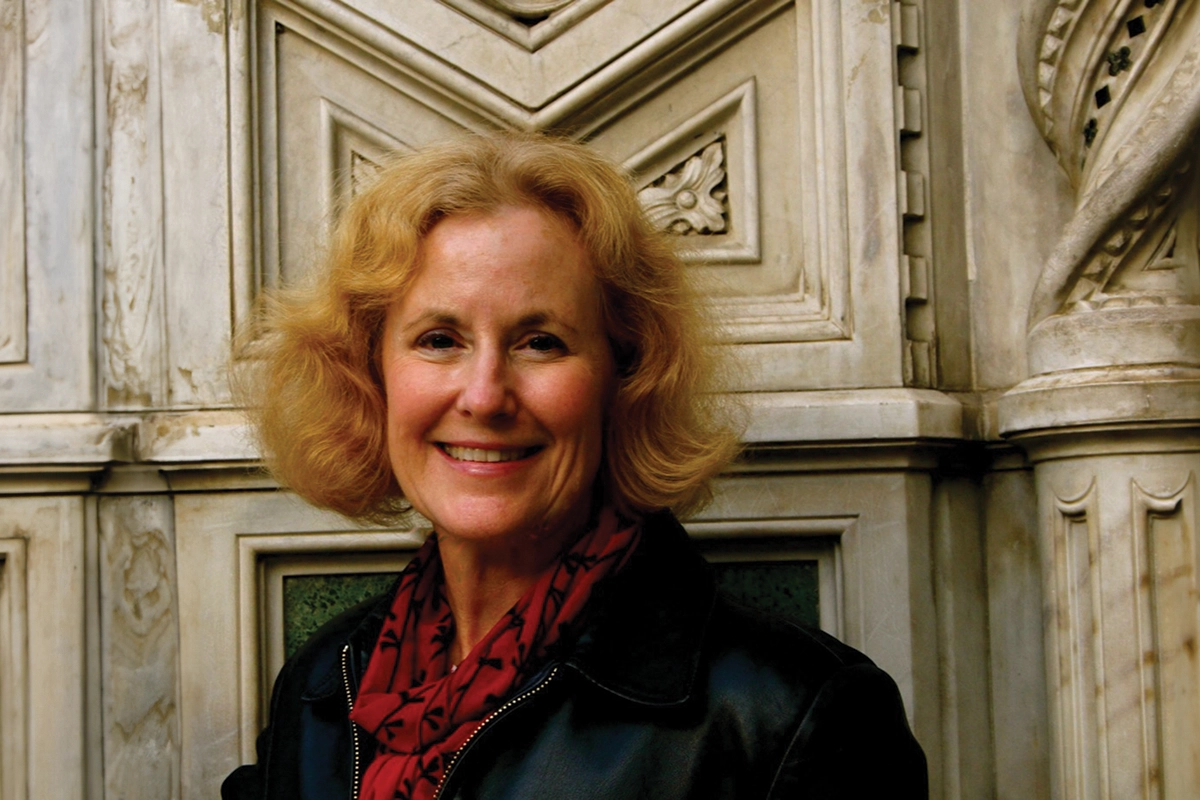
PHOTO: Carol Strickland, acclaimed author and art historian, brings history, art, and storytelling to life with clarity, passion, and creativity.
Celebrated Author Shares Insights On Creativity, Storytelling, And Making Complex Subjects Accessible To Readers Across Generations
Carol Strickland blends research, imagination, and passion to create engaging narratives in art, architecture, and historical fiction, inspiring readers while making complex subjects accessible and enjoyable for all audiences.
Carol Strickland has established herself as one of the most compelling voices in art, architecture, and history. Her career seamlessly bridges scholarship and storytelling, transforming complex disciplines into narratives that engage and inspire readers from all backgrounds. Her acclaimed book The Annotated Mona Lisa has sold over 400,000 copies, serving as an accessible gateway to art history across generations. Equally notable, The Annotated Arch brings architectural milestones to life, while her Illustrated Timeline series offers concise, visually rich overviews of art and literature spanning centuries.
Strickland’s talent extends beyond non-fiction. Her historical fiction, including The Eagle and the Swan, explores the extraordinary life of Empress Theodora of the Byzantine Empire, blending historical fact with imaginative storytelling. Her upcoming work, Sparks Fly Up: The Lost Story of Margaret Fuller, promises to highlight another remarkable woman from history. Across formats—from digital eBooks to printed volumes—Strickland’s writing exemplifies creativity, clarity, and passion, consistently inviting readers to explore the worlds she illuminates.
Strickland’s work transforms challenging topics into captivating, insightful, and highly engaging stories that educate and inspire readers across genres.
In conversation with Reader’s House, Strickland shared insights into her approach to art, architecture, and storytelling. She explained that her 2018 edition of The Annotated Mona Lisa includes a new chapter on contemporary art, selected for its ability to “catalyse viewers to feel and think—not just a pretty picture, but works that hold a mirror up to society.”
Her work in The Annotated Arch demonstrates a similar accessibility, balancing technical detail with readability. Strickland focuses on evoking the experience of a building, avoiding jargon while highlighting why each work is important and memorable.
When asked about writing The Eagle and the Swan, Strickland recounted her fascination with Empress Theodora, who rose from circus performer to Byzantine Empress. “In fiction, you go inside characters, imagining their thoughts, feelings, actions, and words,” she explained, emphasising how historical research informs her storytelling while allowing room for imagination.
Strickland also embraces digital innovation with her enhanced eBook Impressionism: A Legacy of Light, which offers interactive features that approximate a visit to an artist’s studio. Readers can explore deeper context, artist biographies, and movements through embedded links, creating an immersive experience beyond the static page.
Reflecting on the enduring popularity of The Annotated Mona Lisa, Strickland attributes its success to her accessible, engaging approach: “I tried to make the book enjoyable and accessible for readers from teenagers to adults… ART FOR ALL!”
Her Illustrated Timeline series, covering art and literature, posed the challenge of condensing vast histories into concise overviews. Strickland carefully curated content to provide readers with a “quick review with pictures,” giving a thumb-able guide to expansive subjects without overwhelming them.
On balancing non-fiction and historical fiction, Strickland highlighted the shared need for meticulous research. “In fiction, you imagine a world rather than describing existing ideas and things,” she said, noting the unique creativity that fiction demands compared to non-fiction’s focus on clarity and factual structure.
For aspiring authors, Strickland offered practical guidance: “Write clearly and conversationally about something you care about. You can transmit your passion for a subject through words. Structure, flow, facts, and logic are important. So is emotion.”
Carol Strickland exemplifies the power of blending scholarship, imagination, and storytelling. Through her work, she invites readers to experience art, architecture, and history in ways that are both illuminating and deeply human.