





Exploring The Art Of Writing With Nayana Phukan
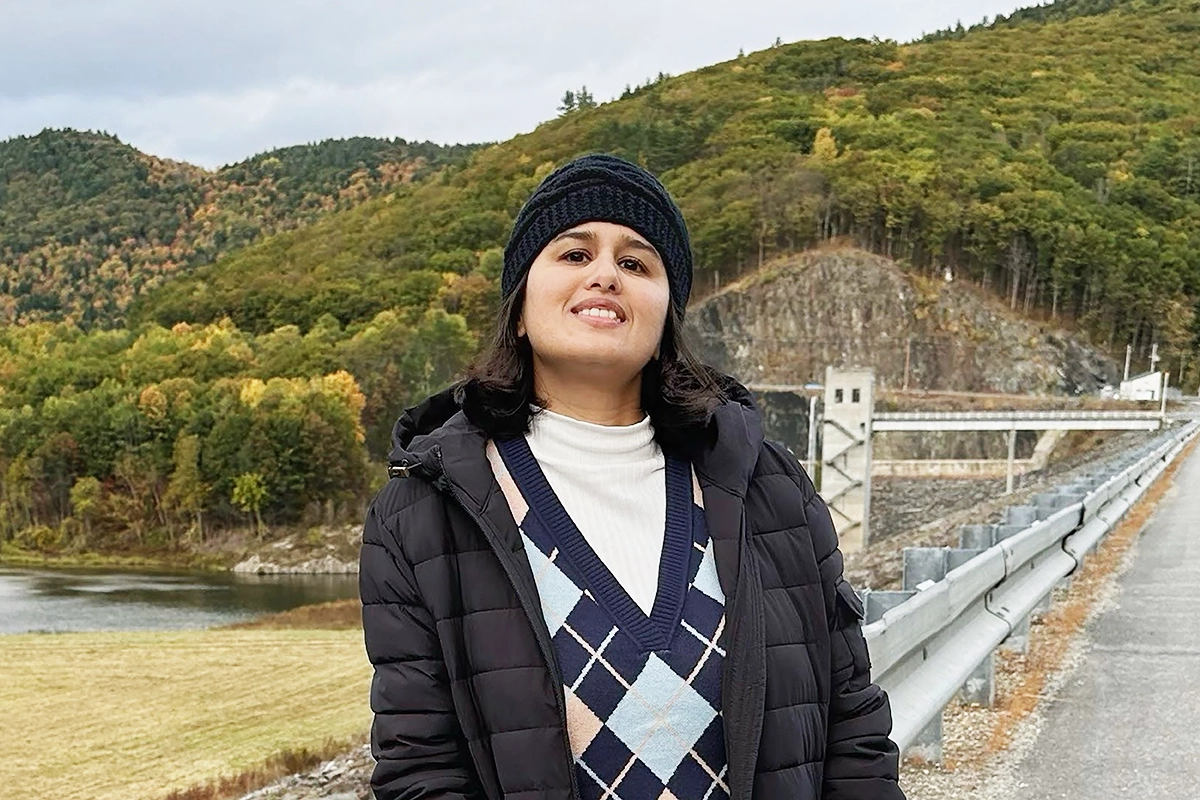
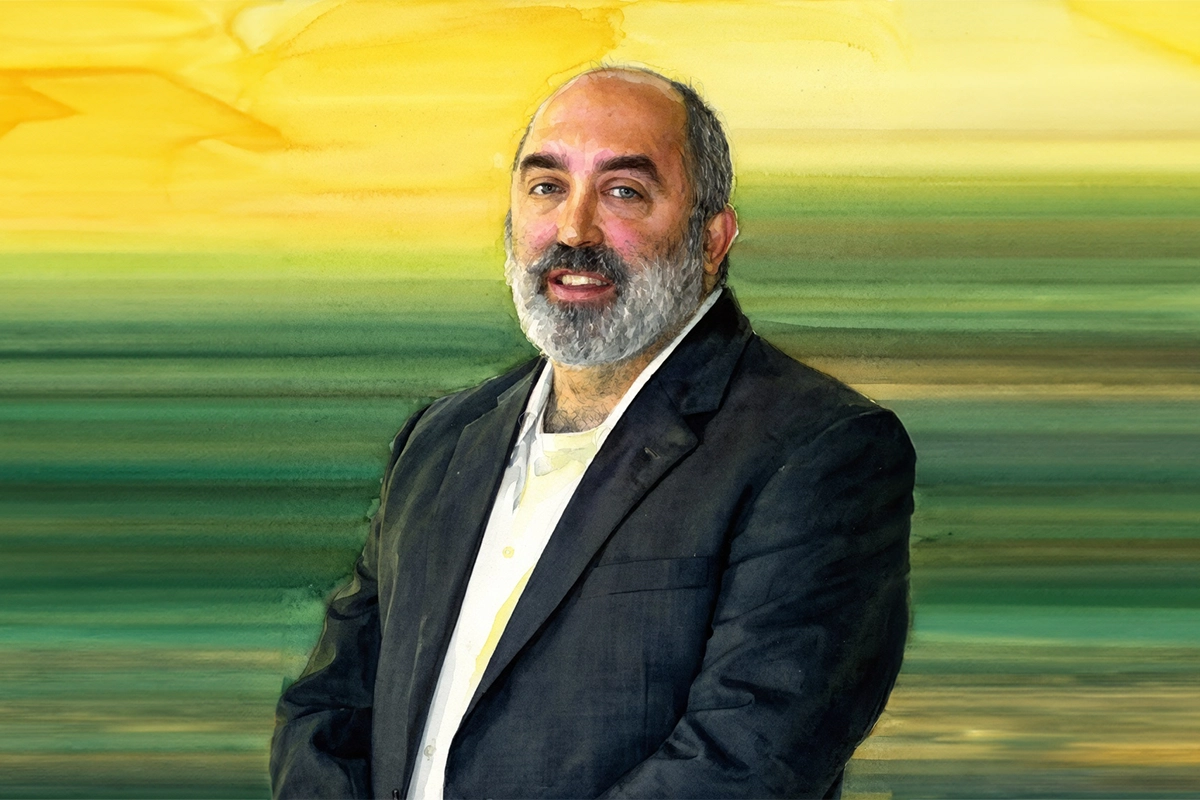
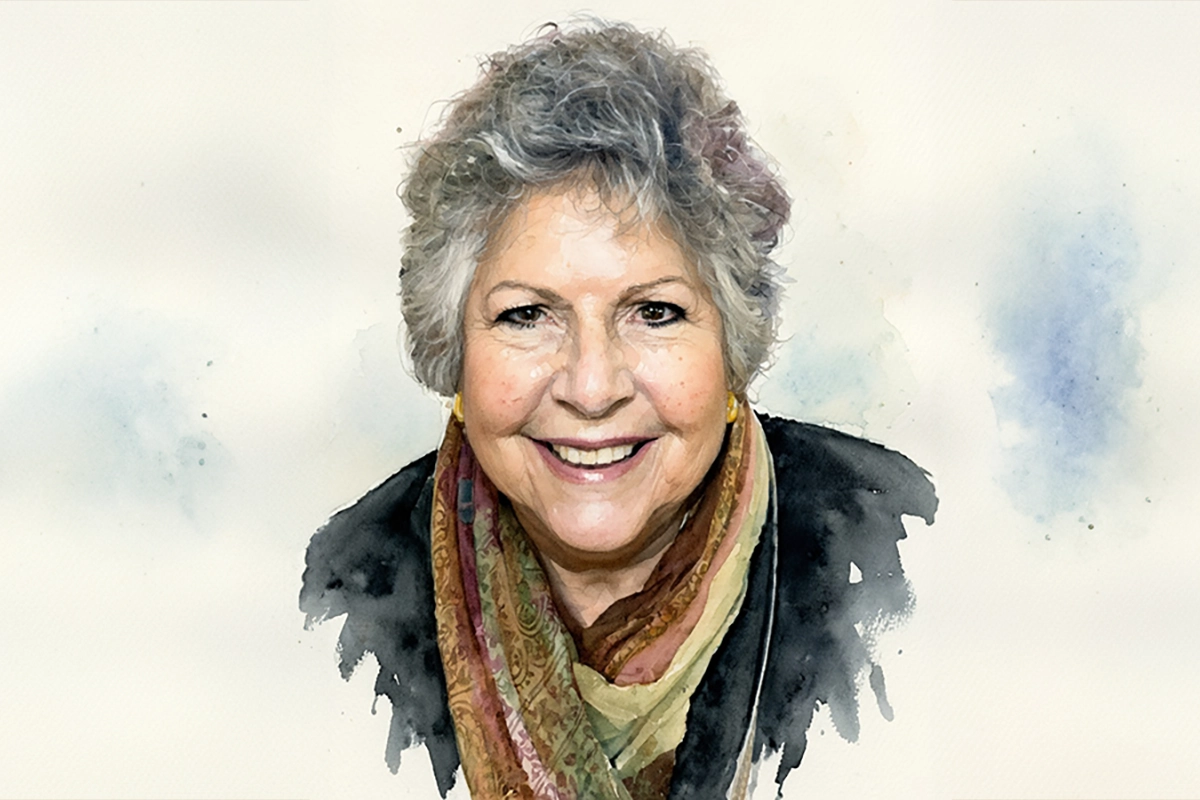
Photo: Nayana Phukan, bestselling author of Jhiri in the Cowboy Street and Dawn in Florence, crafting worlds that resonate across borders and emotions.
From Travel Blogging To Internationally Inspired Fiction
This interview illuminates Nayana Phukan’s journey as a bestselling author, revealing her writing process, inspiration, and unique approach to blending emotion with suspense in international settings.
A uthor Nayana Phukan has mesmerised readers with her evocative storytelling and captivating narratives. Through bestselling novels like Jhiri in the Cowboy Street and Dawn in Florence, she has firmly established her presence in contemporary fiction. Renowned for her ability to blend emotional depth with suspenseful intrigue, Nayana transports readers to carefully crafted international settings that feel both vivid and atmospheric. Her passion for human connection, evident in her characters and themes, combined with her professional expertise as a Senior UX Designer, has elevated her storytelling to breathtaking heights. Prepare to be inspired as we delve into Nayana’s creative journey, influences, and approach to writing a world that resonates universally.
Nayana Phukan is an extraordinary writer whose novels transport readers through vivid worlds infused with deep emotion, suspense, and unparalleled authenticity.
What inspired you to write “Jhiri in the Cowboy Street” and “Dawn in Florence”?
I’ve always been a voracious reader, particularly of romance and thrillers, and writing my own novels has been a lifelong ambition. My creative spark comes from being an observer. I tend to absorb the atmosphere of my surroundings and pay close attention to the interests and desires of the people I encounter, translating that energy into my storytelling. While ‘Jhiri in the Cowboy Street’ and ‘Dawn in Florence’ are complete works of fiction and not based on real-life incidents, I am inspired to write stories that I know will resonate with readers. My goal is always to craft an engaging fictional world that brings happiness and satisfaction to my audience.
How has your background as a software engineer influenced your writing?
As a UX Designer, user empathy is one of my greatest strengths, and I find it translates beautifully into the world of fiction. In design, I have to deeply understand what a person feels and needs; in my novels, I apply that same empathy to my fictional characters, ensuring their emotions and reactions feel authentic to the reader. My professional position also helps me constantly improve my storytelling. Whether I am designing a user journey or a fictional plot, I am focused on how to guide an audience through an experience. Even though my books are complete fiction, the discipline of UX design gives me the tools to build those imaginary worlds with a clear, engaging narrative flow.
“Travel is the heartbeat of my storytelling.” – Nayana Phukan
What challenges did you face when transitioning from travel blogging to fiction writing?
Transitioning from travel blogging to fiction was a significant shift, as the two require very different mindsets. Writing a novel demands a level of long-term dedication and patience that goes far beyond a blog post. However, travel blogging was my first step into the world of professional writing, and it will always hold a special place in my heart. As a vivid traveller, my travel experiences deeply influence my fictional settings. Even though my stories are complete fiction, I use the descriptive skills I learned as a blogger to depict every location with depth and detail, allowing the reader to feel the atmosphere of the places my characters inhabit.
How do you develop your characters and make them relatable to the readers?
Developing characters is a deeply challenging part of the writing process because it requires such a heavy reliance on imagination and constant observation. My goal is always to create a bridge between my fictional world and the reader’s heart. I spend a lot of time observing how people interact and express emotion in real life, and I try to pour those authentic human nuances into my characters. Success, for me, is measured by reader satisfaction—knowing that someone felt a genuine connection or saw a piece of themselves in a character I’ve imagined is the greatest reward. I put my best effort into making sure every character feels real enough for the reader to truly care about their journey.
“Overcoming self-doubt starts with realising that every author, no matter how successful, feels it at some point.” – Nayana Phukan
What role does travel play in your storytelling, especially in “Dawn in Florence”?
Travel is the heartbeat of my storytelling. Having travelled through Italy and fallen in love with its landscape, I felt a deep responsibility to portray it authentically in ‘Dawn in Florence’. I’ve woven my personal memories of Venice’s canals, Rome’s grand architecture, and the unparalleled beauty of Florence into the fabric of the story. Even though the events of the book are complete fiction, the settings are a tribute to the very real, mesmerizing beauty of the country. I hope that through my descriptions, readers get to experience the same sense of wonder that I felt during my own travels.
How do you balance suspense and emotional depth in your stories?
Finding the balance between suspense and emotional depth is a process that requires immense focus and dedication. When I write, I don’t just observe the story—I imagine myself as a part of it, living through every moment alongside my characters. I find it necessary to feel their journey from the heart; if they are in a tense, suspenseful situation, I feel that adrenaline, and if they are hurting, I laugh and cry right along with them. I believe that for a novelist to create a true emotional balance, they must first experience those feelings themselves. By deeply connecting with my characters’ hearts, I can ensure that the suspense feels earned and that the emotional depth resonates authentically with the reader.
“Love, destiny, and friendship are more than just themes in my novels; they are the values I believe in most.” – Nayana Phukan
What is your writing process like – do you plan the story in advance or let it evolve as you write?
I am definitely a planner. While imagination is a wonderful tool, it can also be overwhelming if it isn’t channelled correctly, so I map out my stories before I begin the actual writing. This preparation is what keeps the narrative focused and prevents the plot from wandering. By establishing a clear plan, I can manage the complexity of a novel with more patience and dedication. It allows me to focus on the emotional depth of the scenes without losing sight of where the story needs to end.
How do you approach themes like love, destiny, and friendship in your works?
In my novels, love, destiny, and friendship are more than just themes; they are the values I believe in most. I view love and friendship as the most powerful relationships humans can form, providing the emotional depth that readers connect with. I also weave destiny into my storytelling because I feel it plays an undeniable role in our journey. By combining these three elements, I’m able to create stories where the characters feel guided by something larger than themselves, while still relying on the strength of their personal connections to see them through.
What challenges have you faced as an author in today’s competitive publishing world?
he biggest challenge in today’s competitive publishing landscape is undoubtedly the shift from creator to marketer. As a self-published author, you wear every hat—from the imaginative writer to the business-minded promoter. I found the process of handling my own marketing and promotion to be incredibly difficult and, at times, emotionally draining. It requires a completely different skill set than storytelling and demands an immense amount of energy to ensure your voice is heard in a crowded market. However, despite the exhaustion, it has taught me a lot about the dedication required to see a project through from the first page to the reader’s hands.
What writing tips would you share with aspiring authors?
In an era where everyone is busy binge-watching the latest shows, it is very easy for a new writer to feel demotivated or wonder if people still value books. My biggest piece of advice is: never give up. If you are committed to your craft, you will definitely shine. To truly grow, you must read voraciously; it is the best way to understand the language of storytelling. Most importantly, write your heart out. Don’t worry about the competition or the trends—focus on the story only you can tell. If you stay dedicated and keep honing your voice, one day your dream of becoming a published author will come true.
What advice do you have for aspiring authors on overcoming self-doubt and staying motivated?
Overcoming self-doubt starts with realizing that every author, no matter how successful, feels it at some point. My advice is to stop comparing your ‘behind-the-scenes’ to everyone else’s highlight reel. To stay motivated, you have to lean into your passion; when you write from the heart, the joy of the story becomes stronger than the fear of not being good enough. Remember that writing a novel is a marathon of patience. On the days when you feel demotivated, don’t focus on the whole book—just focus on the next page. If you keep showing up and stay true to your unique voice, your confidence will grow alongside your manuscript.
What guidance would you give to other authors on incorporating personal experiences in their stories?
My guidance for other authors is to remember that you don’t necessarily have to write your own life story to create something powerful. Personally, I have never written my own stories; instead, I look outward. I consider myself a dedicated observer of people—I study their interactions, listen to their stories, and pay attention to the world around me. My advice is to develop your ‘observational lens.’ Use the real emotions and situations you witness as the raw material for your imagination. By observing others and empathizing with their experiences, you can craft 100% fictional stories that still feel deeply authentic and relatable to your readers. Imagination is a muscle, and observation is the fuel that keeps it running.