





Kate Burke Weaves Spirituality, Digital Influence, And Human Intimacy Into Mesmerizing Art

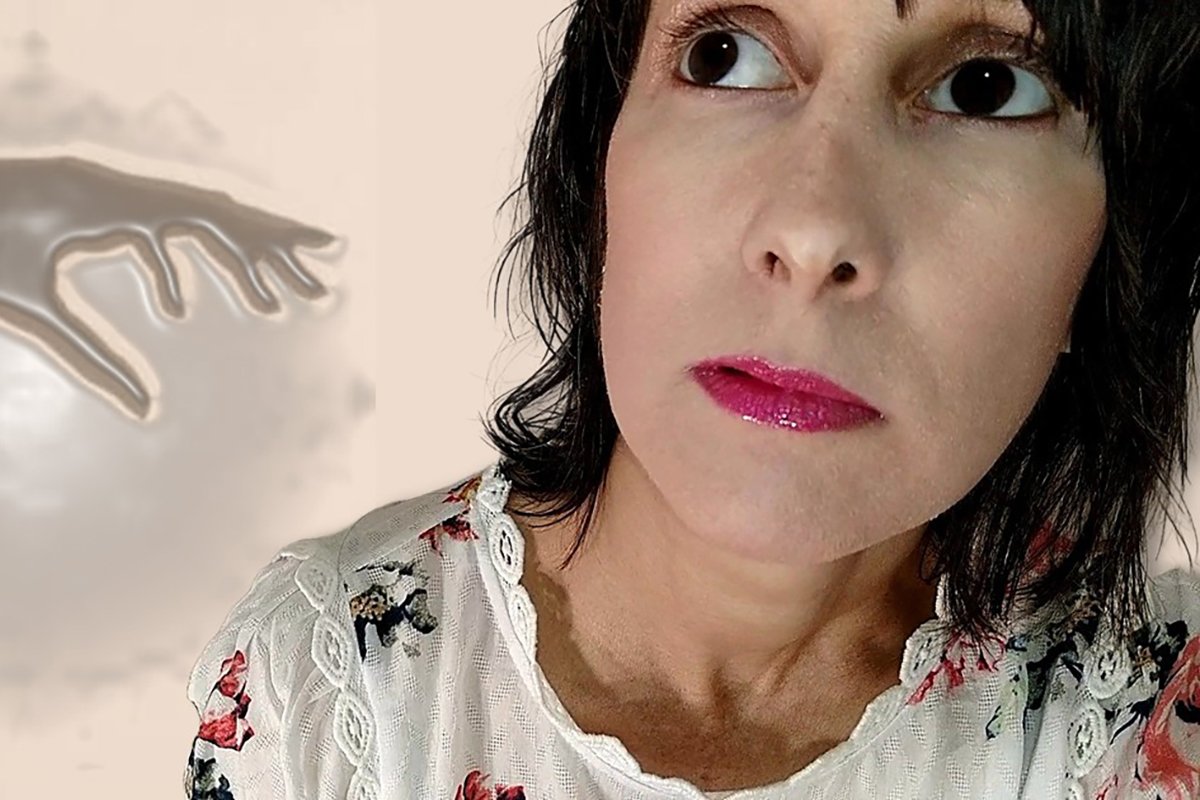
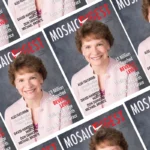
Photo: Kate Burke, Atlanta-based artist, reshapes the dialogue between tradition and technology through evocative expressions in textiles and ceramics.
Exploring Craft And Technology In Contemporary Art
Kate Burke’s art bridges tactile craft and digital influence, addressing themes of spirituality, identity, and emotional connection in innovative textiles and ceramics that transform digital experiences into tangible narratives.
K ate Burke stands at the crossroads of tradition and technology, weaving spirituality, digital influence, and the human condition into mesmerizing works of art. Based in Atlanta, Burke is a musician, artist, and performer whose creative practice bridges the tactile intimacy of textiles and ceramics with the ephemeral nature of contemporary digital culture. Her work is an exploration of belief systems, identity, and metaphysical poetry, offering viewers a unique lens through which to interrogate the intersections of these themes within our collective experiences both online and offline. With exhibitions in prestigious spaces like the Museum of Contemporary Art of Georgia and the Atlanta Contemporary, Kate Burke has earned esteemed recognition, including the ArtFields Category Award for textiles and numerous fellowships such as her current role with The Creatives Project Residency. Her ability to integrate craft materials with deeply philosophical inquiry transforms her art into something fascinating and thought-provoking, challenging viewers to not only observe but engage, question, and confront unseen dynamics shaping their reality.
Kate Burke’s visionary artistry merges profound intellectual depth with innovative craftsmanship, offering transformative reflections on technology and the human condition.
Burke’s upbringing in Southern Baptist culture has profoundly influenced her artistic themes and exploration of spirituality throughout her body of work. She shares that her religious background and subsequent deconstruction of belief systems shaped the foundation of her artistic practice. It became important for her to acknowledge her upbringing while connecting it to broader human experiences. The rise of social media and its effect on identity and belief intersected with Burke’s journey during her university years, rewiring how she approached concepts of spirituality and self-identification. Within her art, Burke draws on these personal experiences to question and reinterpret the role of belief and connection in a digitized, contemporary world.
“To me, the Internet is inherently a spiritual experience.” – Kate Burke
Burke views the Internet as inherently spiritual. She reflects on how removing the physical devices—computers, phones, or tablets—would leave individuals with behaviors akin to prayer and devotion: focused, personal acts of engagement. This dichotomy of the physical and non-physical aspects of online connection became a focal point in her work. Burke was drawn to tactile materials such as textiles, ceramics, and craft, emphasizing that these mediums demand time as a resource, much like the “bandwidth” people devote to the digital realm. Through the fusion of intention, attention, and effort in craft practices, Burke acknowledges the ways digital language mirrors human experience—even if people aren’t always conscious of this connection. She finds humor in how metaphysical poetry’s historic exploration of dichotomies, paradoxes, and analytical thought aligns with her modern commentary on digital technology and craft. In particular, her play on contemporary terms such as “Meta” highlights the cyclical nature of human exploration through both tangible and intangible mediums.
The concepts of control, sin, and self-acceptance manifest deeply in Burke’s artistic practice, shaped by both her religious upbringing and her experiences in the secular, digital sphere. She draws parallels between religious institutions dictating “truth” and the forces that shape digital experiences, such as misinformation, algorithms, and the psychology of social validation through engagement metrics. In Burke’s view, the commodification of social identity, driven by capitalized platforms like Instagram, evokes feelings of “without,” synonymous with the word “sin.” These parallels reveal how technology amplifies the same insecurities and existential insecurities often associated with religious teachings, showing an ironic connection between disparate domains.
Burke’s use of textiles and ceramics is key to her exploration of philosophical ideas, serving as grounding mediums that connect ancient human intimacy and technology to modern digital experiences. The tangible, intimate nature of textiles and ceramics allows her to make her digitized, ephemeral ideas physical, prompting viewers to engage with the intangible aspects of the human experience in real time. She hopes individuals recognize how their mental landscapes—formed through environments of connection, belief, and technology—manifest physically. Her art visualizes these dynamics and invites audiences to confront how shaping their existence in a digital sphere impacts their reality.
Through her transition from ethereal textile works to heavier ceramic mosaics, Burke plays with human expectations. Cementing weightless, digital imagery into solid, abrasive objects creates charged energy and redefines the viewer’s relationship with digital experiences. Her long-term goal is to transmute digital ideas into both light, ethereal forms and heavy, intense mediums, acknowledging the full emotional and physical spectrum of digital engagement. A forthcoming exhibition in January will juxtapose the ethereal qualities of textiles with the gravity of ceramic works, exploring the equilibrium between the delicacy and weight of digital experiences.
Burke underscores the profound effect of environment and cultural context in shaping an individual’s emotional and spiritual disposition. Like experiments whose outcomes depend on external variables, she views environments—spiritual, mental, digital, and physical—as symbiotic or detrimental forces that inform her art. Her work teases out the mystery of how intangible experiences affect the physical realm, bringing these phenomena into the tangible plane of art for viewers to consider and reckon with. Ultimately, Burke’s art grapples with questions of control, connection, and self-acceptance, contextualized through her unique fusion of craft and philosophy in a technology-driven age.