





Lessons from the Heartland—Rose Miller’s Life with Animals and the West
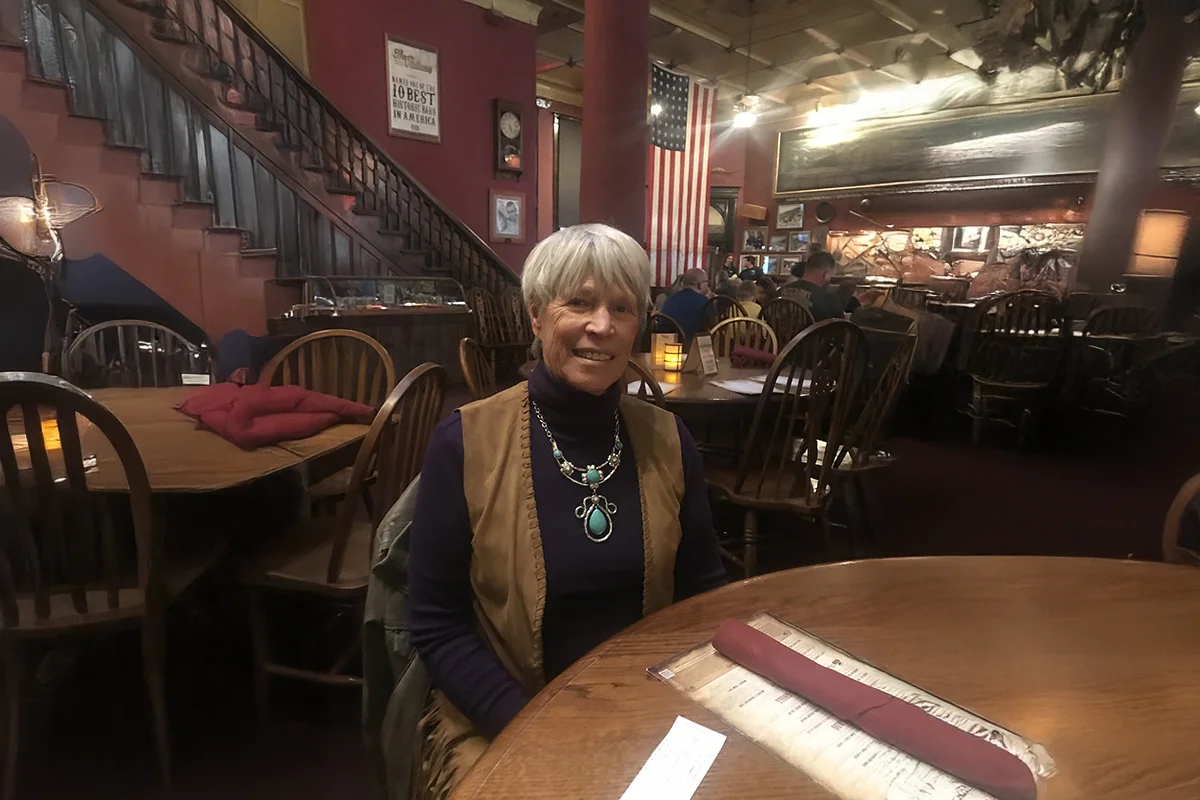
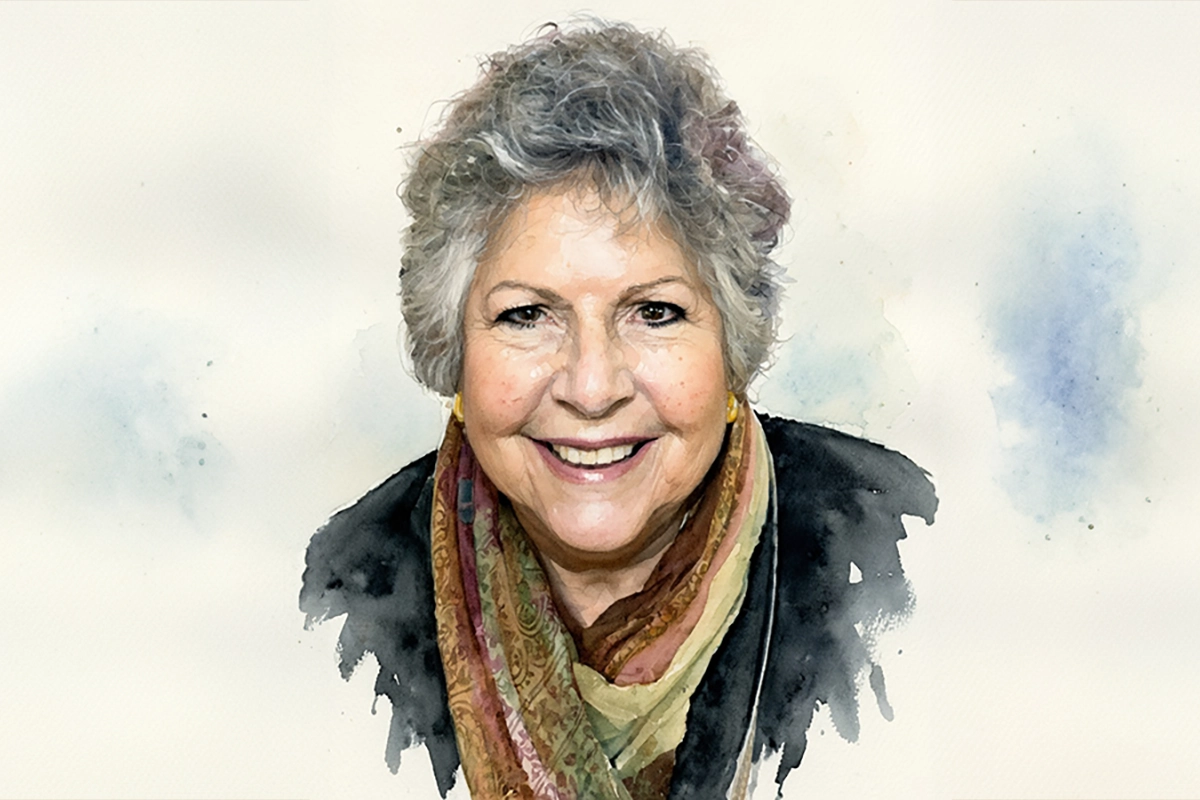
Photo: Rose Miller at home in Prescott, Arizona, surrounded by memories of her cherished horses, mules, dogs, and boundless Western inspiration.”
Life with Horses, Mules, Dogs, and the Women of the West
Rose Miller reflects on a life enriched by animals, heartfelt stories of loss and love, and celebrates resilient Western women in her heartfelt books that inspire connection and hope.
R ose Miller, a celebrated author, artist, and lifelong advocate for animals, has built a rich and resilient life alongside her cherished horses, mules, and dogs. Her stories, published over the years, are a homage to the animals and the indomitable women who represent the spirit of the American West. With her home in Prescott, Arizona, surrounded by the echoes of the animals she has loved, Miller’s work offers a heartfelt glimpse into life shared with these remarkable companions.
Born and raised on a farm in Pennsylvania, Miller’s connection with animals began early. Later, she and her family owned a horse farm in Indiana, where she dedicated herself to the care, training, and showing of Tennessee Walking Horses. Her experiences were not just limited to animals but extended to the bond they created with humans—a relationship forged in love, trust, and mutual respect. Miller describes her animals not simply as possessions but as life partners and silent teachers who bring joy, heartbreak, and invaluable lessons.
Rose Miller is a masterful storyteller whose heartfelt books celebrate animals, resilient women, and enduring connections to the natural world.
This deep-rooted connection forms the backbone of Miller’s books, including The Horse That Wouldn’t Trot and Mules, Mules, and More Mules. Written in a warm, conversational tone, these books recount both the challenges and triumphs of animal companionship and highlight the unyielding love between humans and animals. Her stories have a unique authenticity—born out of firsthand experience—in everything from bringing a foal into the world to mourning the loss of a beloved dog or horse. More recently, her book Girls Can Be Cowboys Too! pays tribute to the tough, resourceful women of the West, whose narratives of resilience and strength resonate deeply with her own experiences.
“I began to write from the heart,
feeling my late daughter encourage me from ‘The Other Side.’”
In reflecting on her journey as an author, Miller credits her late daughter for inspiring her to write. “In the 1960s, it was typical for women to marry and focus on family,” Miller shared. “But I really wanted to be a veterinarian. One day, my daughter told me my life was already full of successes and urged me to write them down. She passed away before I began, but I felt her encouragement from ‘The Other Side,’ and I started writing from the heart.” This deeply personal approach defines Miller’s work, and her stories brim with emotional truth and wisdom.
“Mules think more than horses. They’re cautious and intriguing
—but earning their respect is an incredible journey.”
Over the years, Miller has observed fascinating contrasts between species, particularly between horses and mules. Having spent years raising and showing Tennessee Walking Horses, she enjoyed the disciplined and rewarding work required to train them for competition. However, she discovered a new joy when she transitioned to life with mules. Unlike horses, she explains, mules are more measured in their reactions—they evaluate situations carefully, often prioritizing safety over speed. “Horses are reactive; mules think. Sometimes this isn’t to their owner’s advantage,” Miller admits, laughing. “Mules can remember even months after an incident if it caused them distress. They carry grudges, but they also love deeply and forgive when you earn their trust.”
Alongside the joys of life with animals, Miller’s work doesn’t shy away from grief and loss, which are recurring themes in her stories. She writes candidly about the heartbreak of losing beloved pets, viewing it as an inevitable part of a life dedicated to animals. In Always Have a Dog in Your Life, Miller encourages readers to keep their hearts open to the companions who follow, healing the void left behind. “They come, you love, you lose them, you mourn, but you remember them,” she says. “Keeping that space open for the next one makes healing possible.”
Miller’s debut book, The Horse That Wouldn’t Trot, reflects her activism. Wrestling with the cruel practice of soring—a painful method used on horses to exaggerate their gait—she details her disillusionment with how far some would go for accolades in the competitive world of horse showing. Though her writing unveiled these harsh truths, Miller is motivated by a hope for change. “It’s now 2025, and while soring persists, people like me are still fighting to stop it,” she says. Her efforts contributed to the creation of a zero-tolerance horse showing organization, offering ethical alternatives for those who cherish animals.
“Losing animals is inevitable,
but it reminds us how joy and love always follow pain.”
Through her literary and personal endeavors, Miller has also found inspiration in the strong, independent women of rural and ranching America. Her friendships with ranch women, particularly after moving to Arizona, led to collaborations and stories that highlight their strength and resilience. In researching Girls Can Be Cowboys Too!, she traveled to ranches and conducted interviews, finding joy in capturing the voices of women who share her deep love for animals.
To aspiring authors, Rose Miller offers simple but invaluable advice: “Write from your heart.” For her, memories tied to photos, honest feedback from trusted friends, and a dedication to truth have been vital tools in telling her stories. “You write the kind of stories you like to read,” Miller concludes, “and in my case, that’s truth.”
Rose Miller’s heartfelt books remind us that animals and the people who share their lives with them have invaluable lessons to teach—about love, loss, resilience, and finding joy in even the simplest moments.