





Rosalie Fox Shares Her Passion For Historical Fiction And Life’s Intricate Stories
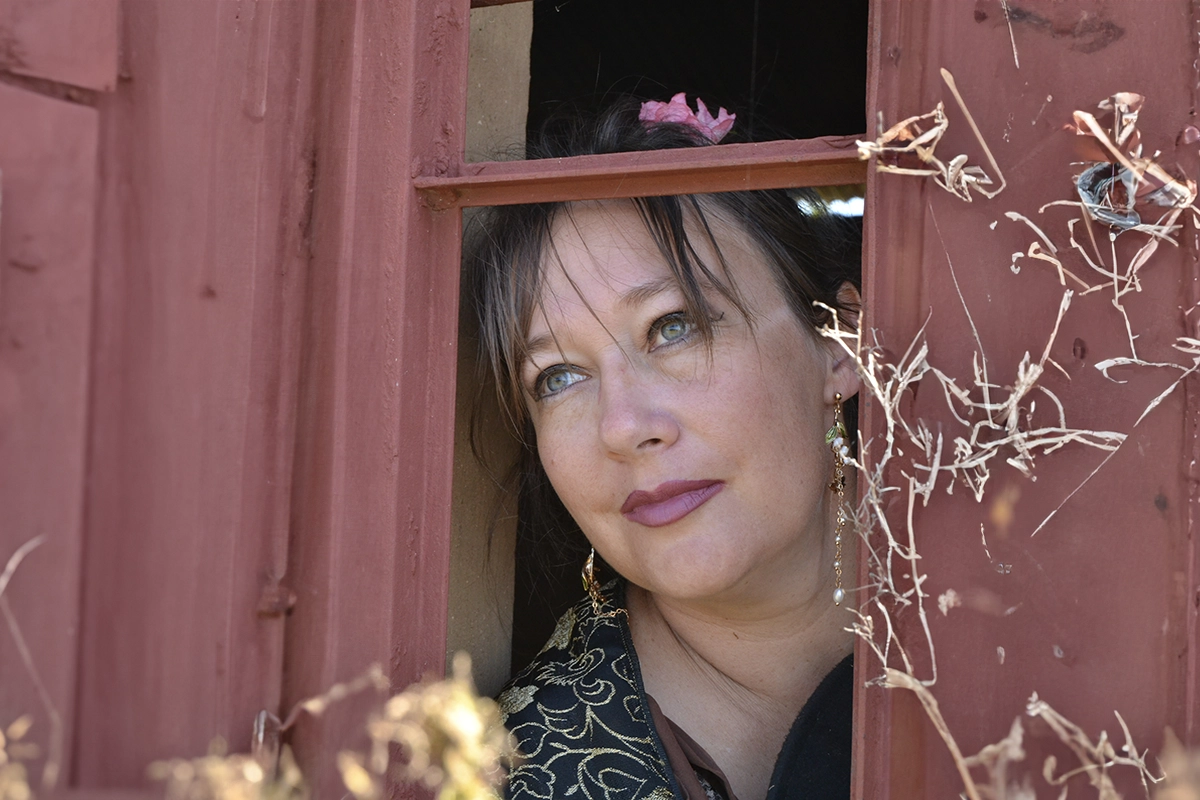
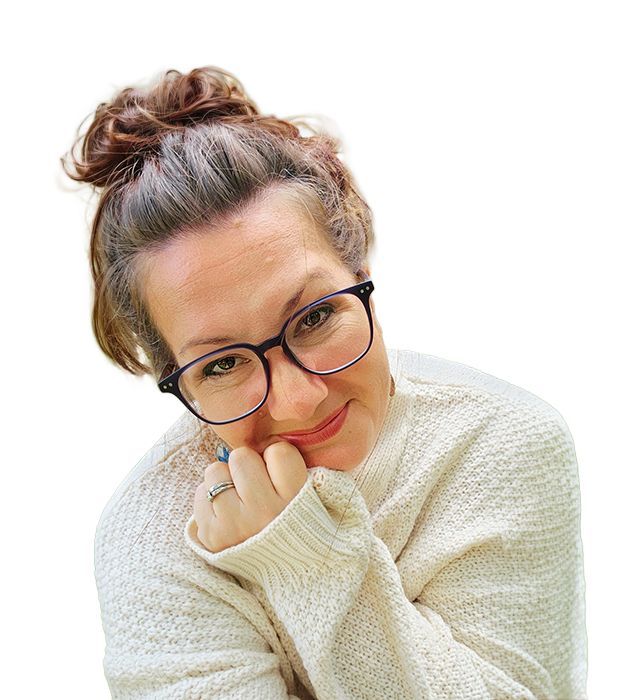
Rosalie Fox at her goat dairy, a writer who brings history and humanity alive through her captivating novels and illustrations.
Building Narratives Of Hope And Resilience
Rosalie Fox discusses her love for historical fiction, aviation, and humanity’s resilience, along with insights into her writing process, research, creative sparks, characters, and self-publishing journey.
Rosalie Fox has a rare gift for weaving the threads of history, humanity, and raw emotion into evocative and unforgettable narratives. A treasure within the world of historical fiction, Fox’s storytelling reflects not only her depth of knowledge and meticulous research but also her profound ability to create characters that feel as if they’ve truly lived the stories she shares. Her works—A Tale of Wild Geese, A Place to Land, and The Red Cross Letters—are not merely books, but immersive journeys through time, marked by authenticity, heart, and an acute sensitivity to the human spirit.
At Mosaic Digest, we celebrate authors who use their craft not only to transport readers to other worlds but also to explore the intricate landscapes of human resilience, loss, and hope. Rosalie’s commitment to honoring historical accuracy while crafting deeply emotional tales has earned her well-deserved praise. From her debut that began as a youthful dream to her ongoing series that spotlights ordinary people navigating extraordinary challenges, Fox captures the richness of life, its struggles, and its fleeting beauty with astonishing grace.
Her love for aviation, history, and even her experiences with running a goat dairy are seamlessly woven into her narratives, adding layers of authenticity and personal passion. And her decision to design her own book covers reflects the fierce artistry and uncompromising vision of a storyteller dedicated to her craft. Fox’s insights into the creative process and her encouragement to emerging writers demonstrate her humility and desire to inspire others to find their voices and bring their stories to life.
We at Mosaic Digest are thrilled to share our conversation with Rosalie Fox, a luminous talent whose words remind us of the power of storytelling to bridge the past and the present, touching hearts and expanding horizons. Experience her world and relish the transformative magic that her books bring to her fortunate readers.
Rosalie Fox captures history’s soul with emotional depth, authenticity, and the transformative power of human stories in extraordinary times.
War, aviation and history. What made a former horse trainer quit her job and write about these topics?
I’ve always secretly been a writer in my heart, and in education. The manuscript that became A Tale of Wild Geese was first written when I was a teenager. It lay on a hard drive and in my heart for eighteen years, but I always knew I was going to rewrite it when the time was right. I got tired of petty politics and drama and an old injury cut short my competitive career. December 2022 I couldn’t sleep one night and I started rewriting sometime after midnight. It snowballed. As for the topics? As a child I was obsessed with horses and aviation history. I lived the horse dream. It became time for the other dream.
You’ve been highly commended for in-depth research and historical accuracy. Tell us about your process?
It’s both the most daunting and the most exciting part of the process. Historical fiction is all about weaving fiction into the threads of real events in a way that honours the stories of the real people that lived it. The simple fact is that my husband and I dig in and start sifting through any related topics of the book. I have a wall above my desk that I fill with sticky notes containing dates, timelines, facts, engine types, birth dates… it’s a passion my husband and I share and truly I couldn’t do it without him. We’ve sat at three in the morning with me rattling away on the keyboard and yelling fact requests at him… and he keeps them coming. We’ve sifted through transcripts of all the military communication in Crete, compared it to biographies, watched gun camera footage from dogfights. You have to get as close to living it as you possibly can, and double check everything, to boot.
You write rounded, flawed human characters. Tell us where they come from and how you develop them?
The simple truth is that I don’t know. People walk into my head complete with names and stories and demand that I write down what they say.
None of your books have true antagonists – unlikeable characters sometimes, but no villains. Why is that?
My stories aren’t about good and evil, black and white. It’s about humanity in hardship, ordinary people living in extraordinary times and the human desire to bring beauty into a harsh world and preserve things and qualities of value. Few of us ever have to deal with a real-life villain. All of us, at some point, experience hardship, trauma, loss and all of us have the responsibility to make something of value from that, bring sense to it. My characters aren’t heroes facing evil, they’re ordinary people facing life.
It’s often said that a commercial author should have an ‘ideal reader’ that they write for. Who is your ideal reader?
If you enjoy historical fiction and authors like Kristin Hanna, Amy Harmon, Bernard Cornwell and Wilbur Smith, my books are for you. However, a lot of non-historical readers have also deeply connected to them, so I’d say if you enjoy emotionally intelligent books about everyday people finding their place in the world, you will love my books.
Hope and grief are a common theme in your books. What would you like readers to take away from the way you tell these stories?
It’s up to you to shape your own destiny, retell your own story. You have the power to give meaning to your life.
You own and run a goat dairy and cheesery and there’s quite the link between that and your debut ‘A Tale of Wild Geese’. Tell us more about that.
Eleanor joins the Women’s Land Army in A Tale of Wild Geese and ends up finding that she has a talent and passion for milch goats. It reminded me how much joy my goats gave me when I was a kid and the next thing I knew, I had bought four little Alpine cross does. Writing Wild Geese was utterly cathartic to me and I found myself along with Eleanor.
You have three books published: A Tale of Wild Geese, A Place to Land and The Red Cross Letters. How are they linked and will there be more in the series?
A Tale of Wild Geese is the first in the series. Johnny Reilly is a side character and best friend to the main characters and he was always going to get his own spin-off in the sequel, A Place to Land. It’s a shorter novella and no, it should not be read as a standalone. The Red Cross Letters, however, is a standalone with a completely different set of characters. It’s also set partly in the RAF and has similar themes. The current work in progress follows on A Place to Land, telling the story of Eleanor’s daughter and Johnny’s son.
Which is your favourite of the three and why?
A Tale of Wild Geese is my heart book. Arguably, Red Cross Letters is the higher quality literary work, but Wild Geese is and has my heart.
How do you deal with writers block when it arises?
Frankly, I don’t believe in writers block. I believe that you cannot pour from an empty cup. If the story won’t come, take a break, recharge, do something you enjoy or something mundane and repetitive and stop forcing your brain. The words and the right story will come.
You have very unique covers. Tell us about the designs?
Covers have always been a part of my decision to self-publish. Having visualised what these books should look like since I was a child and being an artist, I was not willing to reduce them to the traditional ‘woman carrying a suitcase or an umbrella, pictured from behind with generic planes in the sky and a landmark in the distance’. So I illustrated my own covers and I’m proud of them.
What advice would you give young authors starting up?
Read great books. Study your genre, know it well. Know that there are no new ideas or new storylines, but your voice is new and your own. The way you tell the story is what will make or break it. Polish yourself, your skill, your voice. Don’t try to write prettily. Write ordinary words, say it in as few words as you can. Read your own words back at yourself, out loud. Be critical, but also be proud and true to yourself and the stories inside you that ache to be told.