










Janna Yeshanova Inspires Through Her Transformative Journey And The Power Of Love
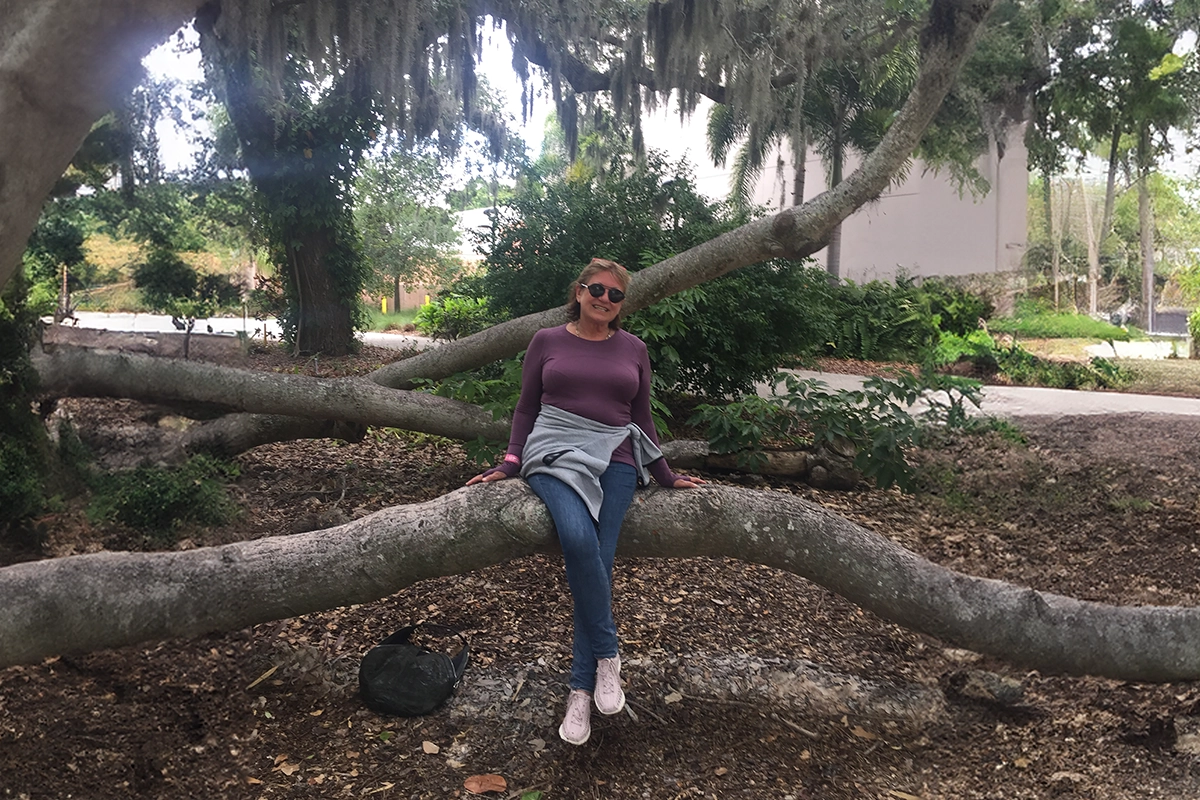
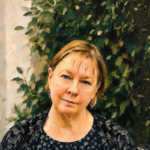
Photo: Janna Yeshanova, author of Love Is Never Past Tense, reflects resilience, transformation, and the enduring power of love.
Love, Loss, And Rediscovery
Janna Yeshanova shares her inspiring journey from the Soviet Union to the United States, her real-life love story, and how resilience and transformation shape her writing and coaching.
Author Janna Yeshanova embodies a spirit of resilience, creativity, and courage that shines through both her life story and her literary works. Born in the Soviet Union to a family of attorneys, Janna was raised in an environment steeped in literature and driven by ambition. Her remarkable journey—from escaping the crumbling Soviet Union with nothing but $126 to starting anew as an educator, conflict resolution expert, leadership trainer, and eventually an acclaimed author—speaks to the transformative power of persistence and hope.
Janna’s novel Love Is Never Past Tense is not just a piece of fiction; it is a deeply personal tale inspired by her own real-life experiences of love, separation, and reunion. The story, which rekindles the emotional complexities of her reunion with a long-lost love, Sergey, years after their initial separation, has resonated widely with readers. The book tackles themes of rediscovery, resilience, and the enduring power of love in ways that continue to captivate audiences and invite reflection. It is no surprise that readers have described it as cinematic and deeply touching—a work that feels as alive as the author who penned it.
Through her writing, cultural transition from the Soviet Union to the United States, and professional reinvention as a life coach and speaker, Janna delivers powerful lessons on the importance of growth, adaptation, and standing firm in the face of cultural challenges. As the founder of LifeSpark LLC, she continues to guide others toward transformation, offering insights borne of her own extraordinary life.
We at Mosaic Digest are honored to feature Janna’s inspiring story and to explore the life experiences that influence her poignant storytelling. Her work stands as a testament that even amidst uncertainty and adversity, one can thrive through love, courage, and truth. In reading her words, may our audience find as much hope as her characters—and discover that sometimes, life truly does give second chances.
Janna Yeshanova is a visionary storyteller who masterfully combines emotional depth, life lessons, and hope in her powerful novels.
When national boundaries were drawn after World War II, a part of Moldova was split off to create Romania, creating an uncrossable border between two groups of my family. By 2008, I had been in America for nearly twenty years and decided to take a vacation to meet my Romanian cousins. As I was planning the trip, my old flame, Sergey, found me via the internet. He vowed he would die without me. I was hesitant, but the reunion was hard to resist. He drove from Moscow twenty-four hours nonstop to meet me. From there, we went to Odessa, Ukraine, where we had met decades earlier. The reunion inspired the book. The painful memories were overwhelmed by treasured reminders. I saw the same eyes, the same forehead with a dent, I heard the same voice. Who would not write a book after such?
Having grown up in the Soviet Union and then starting anew in the United States, how did your cultural transition shape your voice as a writer and your perspective as a storyteller?
I didn’t write in the Soviet Union, except for some short stories, into a folder. Raising and developing a child took a lot of time. The way I think and express myself didn’t change. I am very open, very sincere, and I speak my mind. The values are still the same.
I am saying what I think. Otherwise, I would feel uncomfortable. Yes, it was difficult to adjust to a new culture. When I just started, I was Russian cultural consultant and Russian language teacher for several specialists at NCR who were working to penetrate the Russian market. During a lesson, one student put his feet on the table where we were all sitting–right in front of my face! Blood rushed into my head, but I made it to the end of the class. This job was the only income I had. The notion I got in the Soviet Union, all Americans put their feet on the table, prevailed over my desire to survive. At the end of the class, I told the students that I highly value their business, but I felt so insulted that my pride was shaken. Explaining why, I said that I would never come back. Later that evening, I heard the knock on the door. All of them were standing at the threshold. The guy who put his feet on the table came to apologize and asked me to come back. As the book will show, my cultural standards haven’t changed, but American-Russian cultural disagreements were settled.
Your journey is rich not only in literary achievement but also in personal reinvention—as an educator, leadership coach, and speaker. How do these different roles influence your writing, especially when it comes to themes of resilience and transformation?
My book is packed with stories about overcoming obstacles to find opportunities. In that sense, the book became like a business card showing my resilience and the transformations I have been through.
In your career, both as an author and beyond, what would you consider the most defining or rewarding moment so far—one that truly affirmed your path?
I cannot select just one rewarding moment. Back in the USSR, I had a very interesting life of theatres, friends, gatherings, and lots of travel. I directed a play with my students that had huge success. My network included actors, scientists, artists, doctors, you name it. In America, as a life coach and speaker, I have talked to groups of hundreds of people.
There is a powerful scene in the book that takes place at the Vienna Railway Station. By standing up to bureaucracy, I helped over 300 hundred refugees whose lives were under threat. Even today, this is one of my proudest moments. I thought it was worth living just for this experience.
Many readers have found Love Is Never Past Tense deeply touching and cinematic. If it were adapted into a film, what key message or scene would you want the audience to carry with them most?
I would want them to carry with them a sense of hope—that in the midst of adversity, you can overcome if you never give up and continue to fight for whom you love and what you believe.
You’ve spoken about the importance of love, courage, and rediscovery. What advice would you give to aspiring writers who want to tell stories rooted in truth but fear vulnerability or exposure?
Many are afraid to share their experiences. They are afraid to be accused and ridiculed. My advice is going to sound cold: tell your story, tell it your way, or aspire to something else instead of writing.
Not ready to quit? Good for you! Look at your purpose, your motive, your why. Look for your audience—who is waiting for you to speak up? Compare potential benefits to risks. What are the likely outcomes? If the answer is nobody will read your work, then the outcome would be the same if you never sat down to write.
When did you first feel the book would be accepted?
On a plane trip, I decided to review galley proofs of the book. A gentleman in the next seat asked what I was doing and if he could see the book for a moment. I gave him the book, and he started reading it. He didn’t talk to me again until we landed. He gave me the book, together with his business card. Please let me know when the book will be out there. I want to buy it. Oh! No! No! Don’t buy it! I’ll send it to you. I was so happy that someone was so interested in it. After I sent him the book, a couple of months later, his community in Omaha invited me to make a huge presentation.