











Lisa Weldon Turns Journeys Into Stories That Inspire Change
Discover Themes Of Reinvention, Creativity And Resilience
Lisa Weldon shares insights on writing, reinvention, and storytelling, from her memoir Twenty Pieces to her exploration of fiction, inspiring readers to embrace authenticity and personal growth.
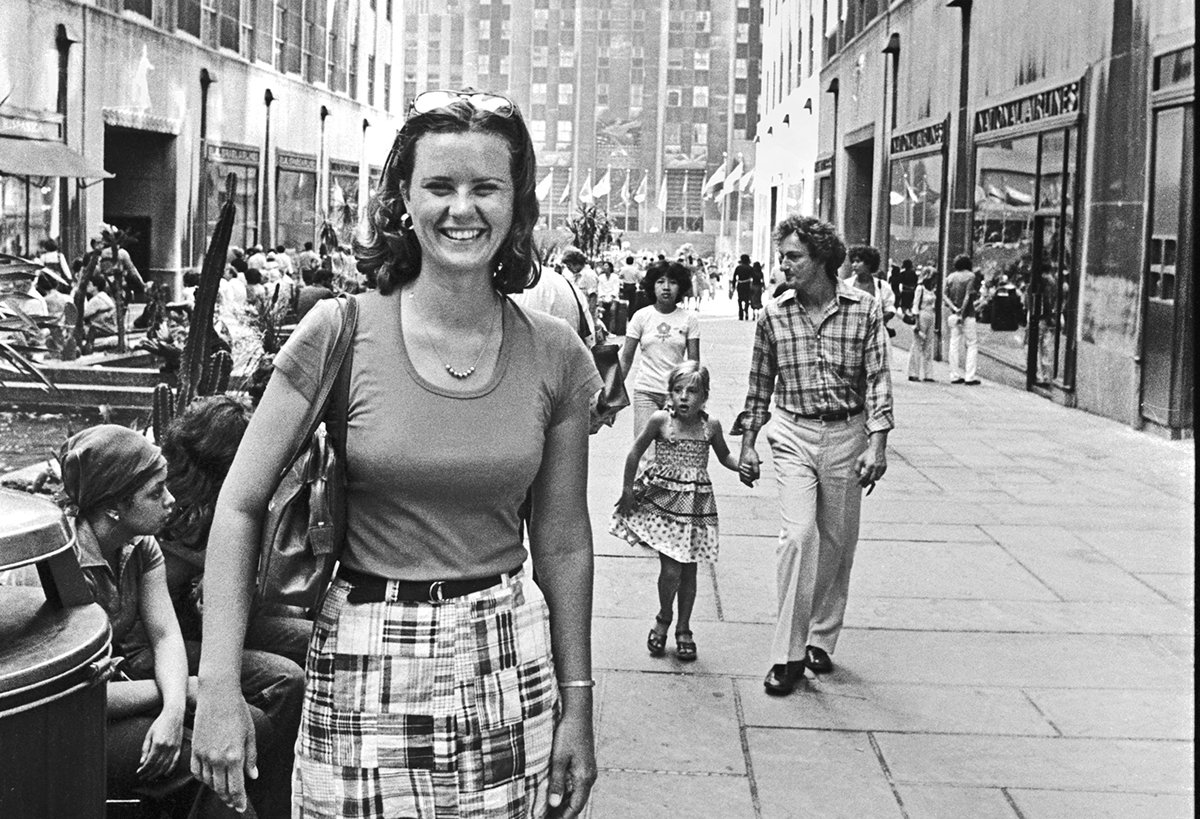
Lisa Weldon’s journey as an author is nothing short of extraordinary. Her remarkable ability to weave vivid storytelling with profound themes of reinvention and resilience has captured hearts around the world. A woman who carved her own path—literally—in the streets of Manhattan before extending her explorations to Paris, Istanbul, Shanghai, Panama City, and small-town Fairhope, Alabama, Lisa’s unique approach to storytelling has enriched not only her own life but also the lives of her readers. With a vision rooted in courage and authenticity, Lisa doesn’t merely tell stories; she invites readers to walk through the worlds she creates, experiencing reinvention alongside her characters.
At Mosaic Digest magazine, we celebrate voices that inspire, challenge, and uplift, and Lisa Weldon embodies all of these qualities and more. Her memoir, Twenty Pieces, is an honest and evocative account of a woman reclaiming her life through movement—both outwardly across spaces and inwardly into the depths of her personal struggles. Perhaps most impressive is the humanity that underpins her work. Whether she’s chronicling the vibrancy of foreign cities or delving into the complexities of the Civil Rights era in her upcoming fiction manuscript, Lisa’s writing is a beautiful reminder of how history, geography, and personal transformation intertwine.
Through this candid interview, Lisa Weldon offers us glimpses into her creative process—the courage to lean into emotion, the discipline of crafting narratives from reality and imagination, and the willingness to embrace feedback and growth. As an editor, I am honored to present her captivating insights to our readers, and it is our hope that this feature inspires others to not only tell their stories but live them fully. Mosaic Digest magazine is proud to showcase Lisa Weldon’s brilliance, and we eagerly await her next literary adventure.
At what point did you realise the story you wanted to tell with Twenty Pieces was no longer just a project, but something you had to share?
Quite honestly, not until one of Oprah’s producers called and said they’d read about my reinvention story and invited me to participate in one of their shows.
How do you balance authenticity and imagination when creating characters: do you draw from real life, or are your characters largely inventions?
In my current manuscript, I base most of my characters on people I know—then I bend and stretch them into villains, heroines, or whoever the story requires.
Funny enough, I reached out to a high school friend—a retired attorney—for help untangling the laws and trials of 1969, the year my story takes place. She is now a character in my story who plays a major role!
Can you describe a moment in your writing process where you felt stuck, and how you managed to move past it?
In my first years of writing, I worked with a Jane, a retired English professor who also had an M.A. in psychology. That psychology came in handy in getting me through some major roadblocks.
One major block came in year five. I was tired and convinced my manuscript was good enough to send out. Jane warned me, “You’re not ready.” I didn’t want to hear it. I sent out a query anyway, and four days later the agent wrote back: “I really wanted to love this story, but you’re not ready.”
I admitted to Jane what I’d done, and she fired me! Yep, fired me for not listening to her.
What rituals or habits help you maintain momentum during writing? Do you have a writing schedule, preferred environment, or particular tools?
My book is built around a 30-day walk through Manhattan. I taped 30 index cards to my living room wall—one for each neighborhood I walked—and wrote my thoughts into the “container” of Day Six or Day Twenty. Breaking the story into small pieces made it less daunting.
I write best when I get away—alone—to a residency, the beach, or the mountains. At home, laundry and garden weeds pull me away the page.
Your narratives often explore themes of reinvention and personal change — what draws you to those themes, and how have they played out in your own life?
I began writing—actually, journaling—as a way to heal from a major trauma in my life. I was raised in an era where the unspoken rule was to “get over it”— be strong, don’t dwell on losses or disappointments. But as I’ve grown older, I’ve come to see that true healing doesn’t come from brushing pain aside. To reach a “happy ending”—in a book or in life—you must walk through the hard times, face the emotions, and let them do their work. That process is what allows reinvention, and it’s a theme that continues to shape both my writing and my life.
How does setting influence your stories? Do you “walk” through places (literally or figuratively) to get a sense of them for your writing?
In my current manuscript I explore the friendship of two young girls during the Civil Rights era. To capture the time, I’ve spent hours in archives. I’ve driven the back roads of South Alabama where the story is set, attended a Black church service to absorb cadence and language, and wandered through a historic cemetery looking for character names. A monthlong residency in Fairhope, Alabama allowed me to interview elders who recalled school integration firsthand. I even revisited my childhood home and the creek behind it, the place where I base my story.
How do reviews, reader feedback, or criticism affect your work, both during drafting and after publication?
I appreciate ANYONE who listens to my story and helps me improve it! “Two sets of eyes” are always better than one.
Was there a piece of advice or a particular author/book that significantly shaped your approach to writing or storytelling?
“Just vomit the words,” Jane would remind me again and again. As a perfectionist, I often tripped over my own need to polish too soon.
One book that encouraged me was Wild by Cheryl Strayed. I’ll never forget—I was boarding a plane to go on a 30-day walk of Paris when a friend called and said, “Oprah just announced a new book called Wild. It’s your story!”
What are you working on next, and in what ways is it similar or different from your previous work?
My first book was memoir. My second is fiction—a big leap! In the memoir, I simply recorded events that happened. With this one, I must build the story completely from scratch. It’s harder in so many ways, but also much more fun—I get to let my creativity run wild.
For other emerging authors: what one piece of advice would you give them to help them stay true to their voice while also developing craft, discipline, and resilience in the often-challenging publishing process?
“Don’t write to publish, or to please agents, publishers, or readers. Write to please YOU!”