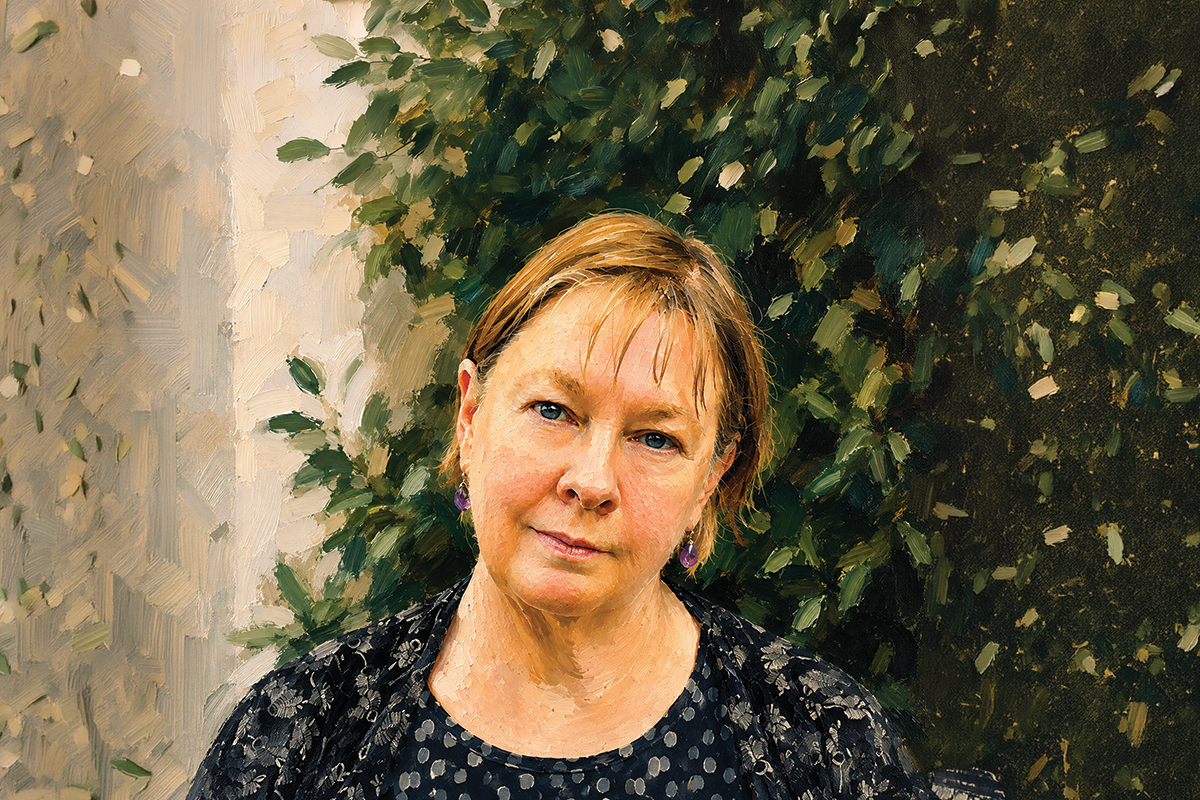












Paula Minydzak Shares Insights On Crafting Stories Rooted In Heritage And Crime Fiction

A Blend Of Heritage And Suspense
Paula Minydzak discusses her writing journey, heritage-inspired characters, genre shifts, crime research, and creative process, while offering advice to emerging authors on crafting personal yet compelling narratives.
Paula Minydzak, an author of remarkable talent and an incredible storyteller, captivates readers through her exploration of identity, family, and suspense—all woven with vivid threads of Pittsburgh heritage and Italian-Slovak traditions. Combining her unique voice with rich personal experiences, Paula crafts narratives that resonate deeply, balancing intrigue, emotion, and authenticity. From her award-nominated debut The Firstborn Son to her thrilling new crime fiction novel The Second Son, Paula showcases her gift for drawing readers into layered worlds filled with moral dilemmas, familial loyalties, and riveting suspense.
Mosaic Digest is thrilled to present an exclusive interview with Paula Minydzak, whose work exemplifies the best of contemporary fiction. With her legal and technical background, and professional tailoring for film, Paula’s diverse skill set and unforgettable characters add unparalleled depth to her storytelling. Her ability to transform personal heritage into compelling plots and relatable struggles leaves an indelible mark on readers, proving her mastery across genres. As you read this interview, you’ll discover how Paula’s relentless passion, creative reinvention, and dedication to craft shape the powerful stories that distinguish her as a rising star in fiction. Mosaic Digest is honored to feature Paula Minydzak—the voice behind gripping, heartfelt tales that continue to inspire.
Your debut novel, The Firstborn Son, was a finalist in the NJ Romance Writers Best First Book category in 2023. How did that recognition shape your confidence and approach as a writer?
Knowing that the NJ Romance Writers contest was generally well-attended, I felt like I had achieved a particular writing goal: maintaining a reader’s interest with quality writing. It encouraged me to write more and stretch beyond a single genre.
You’ve transitioned from writing romance to suspense. What prompted that shift, and how has your creative process adapted to the change in genre?
When I originally wrote The Firstborn Son, the publisher wanted it to have graphic sex scenes. As I added them into the novel, I found that I did not enjoy writing that level of heat. I think long sex scenes pull a reader out of the story. So, when I wrote the Second Son and published it myself, I used romance as a sideline rather than the main event.
Pittsburgh, your hometown, and your Italian and Slovak heritage seem to feature in your storytelling. How do these roots influence your characters and settings?
I grew up in a close-knit family whose bonds were strengthened through life experiences. I found that my family was similar to other Italian families. It lends credibility to my writing. The Slovak side offered a contrast.
Pittsburgh was known for the steel industry that put immigrants to work in the late 1800s and early 1900s, then suffered the loss of that industry in later decades. I was sixteen when mass unemployment plunged every family into hardship.
You have experience as a tailor and patternmaker and even did costuming work for films. In what ways does that background inform your descriptive writing or character wardrobe details?
Costuming made me aware of historic styles, fabrics and how they perform. So I might write about a silk dress that flutters when someone spins around, or a bias cut that naturally clings to the figure regardless of the fabric type. When I wrote both of my novels, I continually imagined what the costumes would look like in film.
Your new novel, The Second Son, dives into crime fiction and suspense. What research did you undertake to ensure authenticity in the world of money laundering and mafia rivalries? Somewhere around 1925, supposedly the mafia tried to recruit my Italian grandfather, but he assumed they would use his wife and children to manipulate him and stayed away. I combined that history with what I imagined was correct about mafia films and other mafia novels. The money laundering knowledge comes from my day job for a global bank and knowing that all banks must follow certain laws. The fight scenes came from talking to my brother about boxing and from some martial arts classes I had years ago. I find that credibility in fight scenes is hard to master.
In The Second Son, Joey Renzi is torn between family loyalty and personal ethics. How do you balance portraying the emotional weight of his dilemma while keeping the plot tight and compelling?
Joey’s character was forced to create his own moral code because he did not subscribe to his father’s lifestyle. The code seeps into each decision he makes, but he must continually think, then act and work around his emotions. To drive the quick pace, I did not give Joey too much time to deliberate.
Your protagonist’s struggle with past identity—as seen in Joey’s efforts to escape the shadow of his enforcer past—is deeply personal. Do you draw from your own experiences with reinvention or family expectations?
After I struggled with a harsh personal issue in my early 20s, I learned that one lives with some things for a lifetime. Unforgettable experiences can mold a person through shame or triumph, through disappointment or hope.
You mention engaging workshops and personalised writing assistance, including beta-read exchanges. How have these collaborations influenced your revision process or storytelling finesse?
I perfected my speaking skills at my day job, so I created workshops on topics that can help other writers, such as financial crimes or the makings of a good presentation. Manuscript exchanges are more of a learning experience for me, whereby someone can tell me how to improve. By reading another author’s novel, I often think of questions that are not answered, characters that are not fully developed, or what I might do to increase the pace. This awareness helps me correct my own writing.
Your Norwegian Elkhound, Boss, shares your home in Pittsburgh. Is there a story or scene in your writing that Boss inspired, even in a subtle or serendipitous way?
Boss is extremely protective and vocal, and I often imagine what he wants to tell me. The cat in The Second Son acts as though Boss would in many situations.
Finally, what advice would you offer to emerging authors who are contemplating a genre shift—perhaps from romance to suspense—or who wish to integrate elements of their personal heritage into their fiction?
Write something you can be proud of and worry about genre later. We are experts at how our lives are fashioned, by what we feel or do, by our dreams and failures. This is the stuff great characters are made of. I believe all good books start with an author who could star in the main role.