









Mary Brotherton Inspires Readers Through Angelic Encounters And Transformative Storytelling
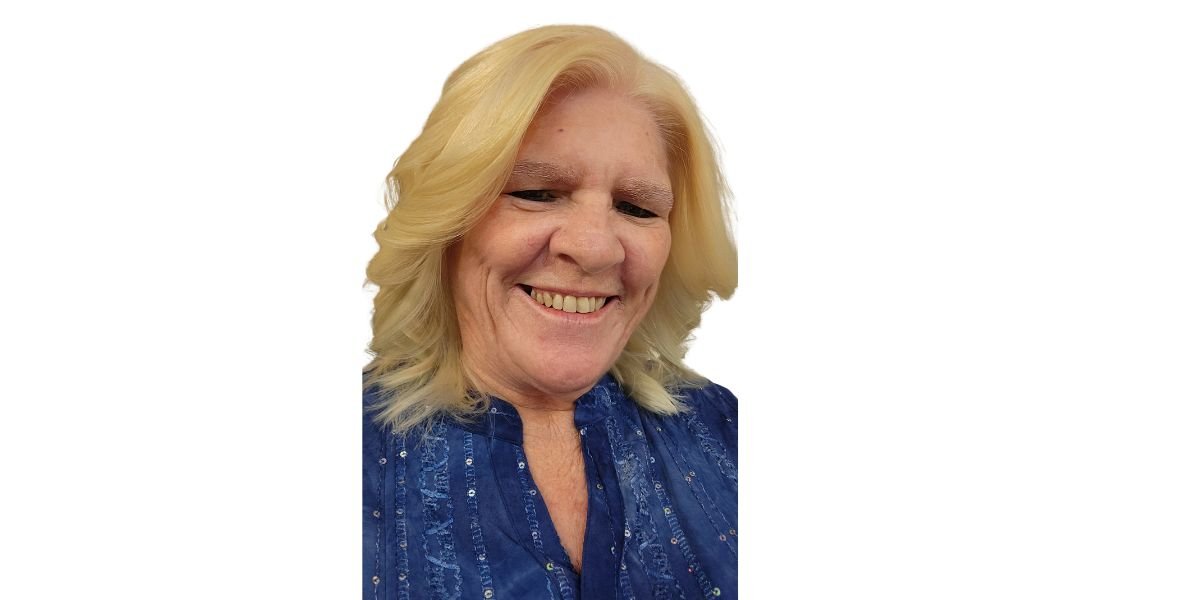
PHOTO: Mary Brotherton, Florida Space Coast author, illustrator, and fine artist, shares angelic stories and spiritual guidance through her creative works.
Discover How Mary Brotherton Brings Spirituality, Hope, And Life Lessons To Children And Adults Through Her Books And Art
Mary Brotherton shares her experiences with angels, spirituality, and personal growth, creating children’s books and memoirs that inspire, teach, and guide readers toward hope, mindfulness, and self-discovery.
Mary Brotherton has captivated readers with her profound exploration of spirituality, angels, and personal growth in children’s literature and memoirs, as featured in Mosaic Digest magazine. Her works weave hope, guidance, and heartfelt experiences into stories that inspire both young readers and adults alike. From her acclaimed Go with Angels series to her transformative memoirs, Mary demonstrates the power of turning personal experiences into universal lessons of faith, resilience, and creativity. Mosaic Digest proudly showcases her journey, celebrating her unique voice and dedication to storytelling.
Mary Brotherton masterfully blends spirituality, creativity, and real-life lessons, offering readers meaningful insights through her inspiring books and artwork.
What inspired you to write about spirituality and angels in your books, particularly for a children’s audience?
I’ve always felt the presence of angels so when I became a mother and noticed how my sons also interacted with them, I started journaling our shared experiences. My first book, Go with Angels, represents 40 years of true stories about near-death experiences and angelic encounters. Once I finished that book, I heard someone I couldn’t see tell me, “Write a book about angels for children.”
Can you tell us more about your experience with artificial intelligence in illustrating My Angel Book?
I haven’t yet published other children’s books I’ve written and the words came easily, but not My Angel Book. After weeks of struggling to write this simple book, I sat down to meditate about how to write this book. I asked why the words eluded me and heard that same voice say, “Paint the pictures and the words will come.” Although I have painted for years, my work is not what I thought children would like. I said, “But I’m not a painter!” I was told, “That’s what Michelangelo said before I started with him,” so that night, I gathered what I needed and began painting. When my son suggested AI and gave me tips on how to use it, I created hundreds of images and when I reviewed them, the words for My Angel Book came together like magic. I use several programs, in addition to AI, to create my images.
“Paint the pictures and the words will come.” – Mary Brotherton
How do you think your personal encounters with angelic beings have influenced your writing and worldview?
My mother told me that I was talking with angels when I was four years old, and encouraged me to continue my relationship with angels and other spirits. They have been with me all of my life. I believe they play an enormous part in my life and in my writing. Even stories like Steep Steps have references to angels and spirituality. My worldview is one of hope and kindness and I don’t know if that comes from the angels or how I was raised.
What do you hope readers take away from your collection of short stories in Go with Angels?
Each story in Go with Angels, and my newest memoir, Faith and Folly tells about my personal experiences with angels or deceased loved ones – or stories others have shared with me. At the end of each short story, I added questions or challenges for readers to consider their own similar experiences. My hope is for readers to recognize their own angelic encounters. I know people who’ve said they’ve never noticed angels, which led to my third book, A Journey with Angels. Part how-to guide and part journal, A Journey with Angels introduces readers to the various kinds of angels, in addition to twenty-three who are named. This book helps anyone looking for a closer relationship with angels and gives room for them to write their thoughts about the process.
You have written about a range of topics, from spirituality to organ donation, what draws you to these subjects?
Personal experience, plain and simple. My cousin received a heart transplant and I immediately wanted to write about her experience, but as with My Angel Book, the words refused to come together for me. Years later, when she celebrated the twentieth anniversary with another person’s heart beating in her chest, I knew the book had to be written for children. My first novel, Steep Steps was inspired when a man I’d tried to forget found me through social media and made some inappropriate comments. At first, reluctant to write about my experience, I soon realized I could turn my pain into purpose and teach about the devastation of sexual compulsion and possible steps toward recovery. Steep Steps required extensive research and forced me to vacate my comfort zone.
How do you balance your work as an editor, author, illustrator, and fine artist, and do you have any tips for managing multiple creative pursuits?
I balance all I do by not pushing myself beyond my physical limits. There was a time when I pulled back-to-back all-nighters fueled with caffeine and protein bars to meet my due dates. There’s a reason we call them deadlines. If we push through without resting, we risk working ourselves to death. I balance my creative pursuits with rest and exercise, as well as with spontaneous downtime to meditate or do nothing. For me, doing nothing looks like watching television or reading, but that often turns into research as a phrase or a setting sparks ideas for another project. Any tips I offer will be what has worked for me. I love helping other authors by offering editing advice, which gives me the bonus of being among the first to read a new author’s work. If a creative person doesn’t love every aspect of their process(es), they will burn out. When I grow tired of editing, I take a break from that and write. If my words don’t flow as easily as I want, that’s a great time to rearrange my space into a studio for painting. It doesn’t matter if I’m playing with colors or attempting to capture a personality inside a portrait, the tactile sense of painting frees my mind to allow room for the words. Taking a walk with my camera is another way I balance out the creativity while allowing my inner artist to play. So, my tip for managing multiple creative pursuits is this: go easy on yourself. You don’t need to accomplish everything at once. Enjoy what you do and do what you enjoy.
What can you tell us about your forthcoming projects, including the sequel to STEEP STEPS, and when can readers expect to see them?
I’m finalizing another children’s book to encourage youngsters to write and expect to complete a children’s book on the dangers of some strangers before 2026. I want to complete those and a commissioned portrait before I return to He Never Said Sorry, the sequel to Steep Steps, which takes readers deeper into sexual abuse victims and how families are affected. I anticipate Sharks Bite and Writers Write to release in mid-November and Too Many Rules to drop in time to order before the New Year. Because He Never Said Sorry, will be as detailed as Steep Steps, and will require additional research, I’ll complete that as soon as possible; hopefully by mid-2026. Once that’s in my publisher’s hands, I’ll work on the half dozen other children’s books, another novel, and a script or two.
What advice would you give to fellow authors who are just starting out and looking to make a name for themselves in the literary world?
Don’t try to make a name for yourself! Write what you want to write. Write what you need to write and let your name speak for itself. Don’t what-if and if-only yourself out of writing. Just write and when you’re finished, please, have more than one family member read it and expect honest feedback. Don’t expect criticism to be gentle, but accept it as guidance toward being a better writer. Don’t wait to tell your story.
“Don’t try to make a name for yourself! Write what you want to write. Write what you need to write and let your name speak for itself.” – Mary Brotherton