



Carmela Cattuti Weaves Art, Heritage, And History Into Timeless Stories Of Resilience
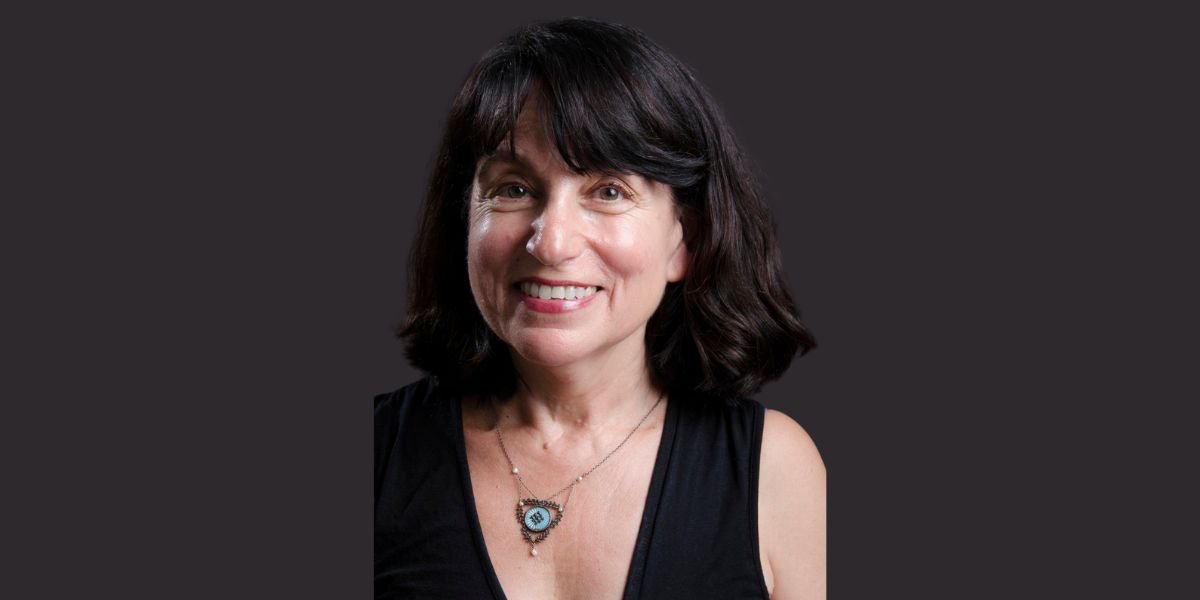
PHOTO: Carmela Cattuti, creator of Between the Cracks trilogy, blending art, history, and family legacy through vivid storytelling.
Exploring Creativity, Spirituality, And The Transformative Power Of Family Legacy Through Her Acclaimed Trilogy
Carmela Cattuti, Boston-based author and artist, brings her Italian heritage to life through her historical fiction trilogy that celebrates resilience, spirituality, and the enduring strength of women across generations.
Carmela Cattuti embodies the spirit of creativity that bridges art, history, and storytelling with graceful authenticity. A gifted novelist, painter, and yoga instructor based in Boston, she has built a body of work that is as visually rich as it is emotionally resonant. Her acclaimed trilogy—Between the Cracks, The Ascent, and The Benevolence of New Ideas—traces the extraordinary journey of her great-aunt, illuminating themes of immigration, resilience, and feminine strength with a painter’s eye for detail and a historian’s reverence for truth.
Cattuti’s writing reflects her deep connection to her Italian roots, her fascination with spirituality, and her lifelong dedication to preserving cultural memory through art. Each page of her work offers readers an intimate portrait of transformation—of individuals and families who survive and evolve through love, faith, and the creative spirit.
Carmela Cattuti’s storytelling shines with heartfelt authenticity, intertwining art, heritage, and faith to create narratives that honour family, culture, and the human spirit’s unbreakable will.
Mosaic Digest is honoured to feature Carmela Cattuti, a storyteller whose artistic and literary pursuits remind us that history is not only lived but beautifully reimagined through the eyes of those brave enough to tell it.
What inspired you to pursue a career in art and writing, and how do you balance these two creative passions?
I knew as a child that I was an artist and chronicler, but I didn’t know what form it would manifest. History has been a passion of mine since I can remember. On a trip to Paris in my twenties, I visited many museums and decided I needed to paint. Hearing my great aunt recount her journey from Sicily to America filled me with admiration and a sense of responsibility to share her story through my writing. I usually paint during the day and write in the late afternoon to balance both disciplines.
Can you tell us more about your experiences travelling in western Europe and how they have influenced your work?
Standing before Caravaggio’s ‘The Calling of Saint Matthew’ in Rome I was struck by the interplay of light and shadow which later became central to my own painting style. The realism and spirituality of the Renaissance painters inspired me to pursue realism as a practice, studying at the Academy of Realist Art, Boston. Staying with my cousin in Sicily not only reconnected me to my roots but also gave me a deeper understanding of resilience and traditional themes that permeate my writing and my art.
How did your graduate degree in English Literature from Boston College shape your writing style and approach to storytelling?
My time at Boston College was seminal to my decision to write creatively rather than pursue a career in journalism. While my English Literature professors were excellent teachers, I realized that academic writing was quite limiting. So, my time in grad school showed me what I didn’t want, but analyzing classic literature improved my understanding of character development or narrative pacing, which I now apply to my own storytelling.
What drew you to the subject matter of your novel, Between the Cracks, and what research did you undertake to ensure historical accuracy?
My great aunt’s immigration story from Sicily to America drew me to the subject matter of Between the Cracks. There were many stories about immigration from southern Italy to New York, but I realized her story was unique because she had experienced the 1908 earthquake that destroyed Messina. To ensure historical accuracy I consulted historical archived, read survivor accounts, and studied videos of Messina after the eruption of Mt. Etna. My great-aunt described how she jumped out of a window to avoid being crushed by the collapse of her house, and how that moment shaped her resilience when she later faced the challenges of adapting to life in America.
How do you think your Italian heritage has influenced your writing and artistic style, and are there any particular themes or motifs that you return to in your work?
I would say My Sicilian heritage has influenced my writing and artistic style in terms of presenting spirituality as separate from organized religion. My great aunt’s spiritual beliefs centered around Mary and the feminine. Themes of resilience, maternal strength, and spiritual transformation frequently recur in my novels, and paintings. I have created a trilogy: The Ascent and The Benevolence of New Ideas are the last two novels. The trilogy explores generational journeys of women, with each novel delving into aspects of spirituality, adaption, cultural identity rooted in my family’s experience.
“Themes of resilience, maternal strength, and spiritual transformation frequently recur in my novels and paintings.” – Carmela Cattuti
You have exhibited your artwork throughout the Boston area and online, what do you think is the most challenging part of showcasing your work to a wider audience?
The most challenging part of showcasing my work to a wider audience is finding venues to exhibit. However, I have recently been accepted into the Copley Society Gallery on Newbury Street in Boston which will ensure that I have a consistent wider audience. I also reached a wider audience through social media.
What advice would you give to aspiring artists and writers who are looking to develop their skills and build a career in the creative industries?
My advice would be to study with the best people by attending workshops and actively reaching out for mentorship. Find an exce3llent editor by asking for recommendations within your creative community or joining professional organizations. Participate in local art collectives or writing groups to discuss challenges and share feedback.
“My advice would be to study with the best people by attending workshops and actively reaching out for mentorship.” – Carmela Cattuti
What tips would you offer to fellow authors who are looking to self-promote and market their work effectively, particularly in terms of utilising online platforms and social media?
I would start with facebook and Instagram and post weekly. I would encourage writers and artists to post the progress they’re making on writing projects and paintings. Creating a youtube channel is also an option to share progress on writing or discuss how you over-come challenges. Youtube will most likely attract other writers rather than buyers, but you will attract people interested in your work and you as a person.