





From Romance to Mystery – Lois Winston’s Inspiring Evolution
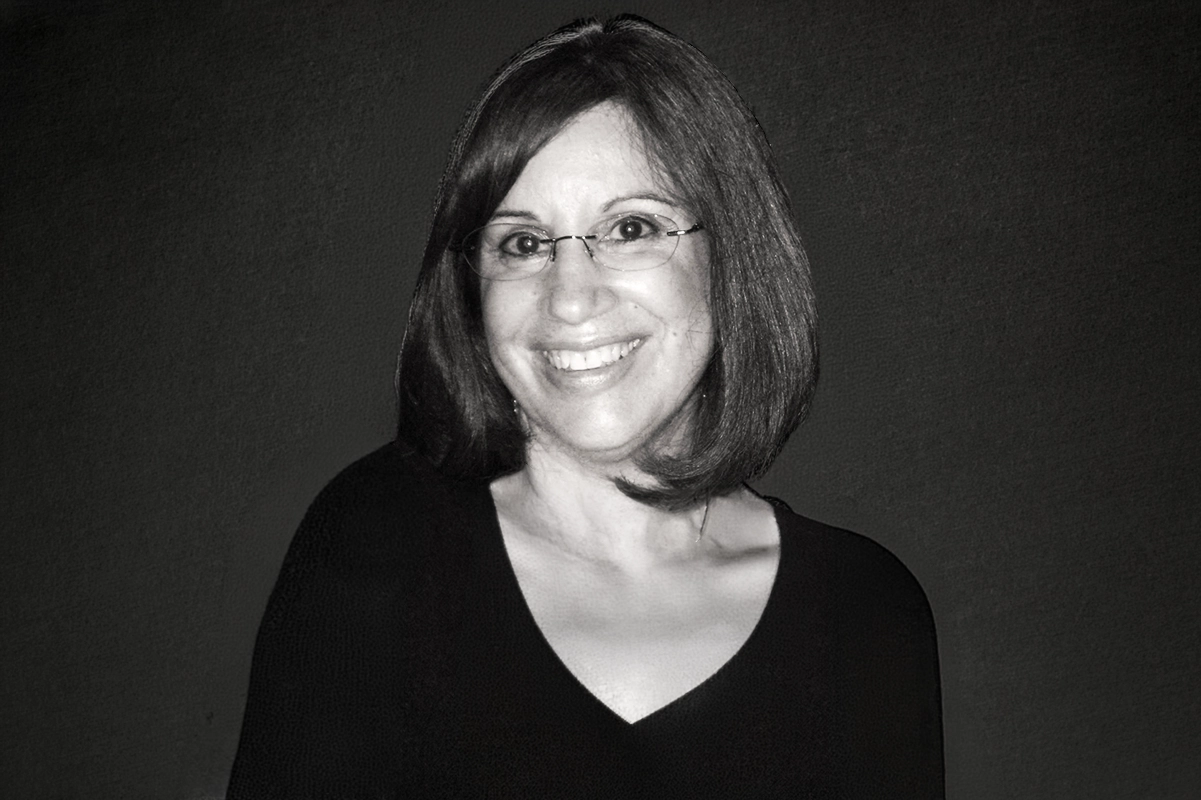
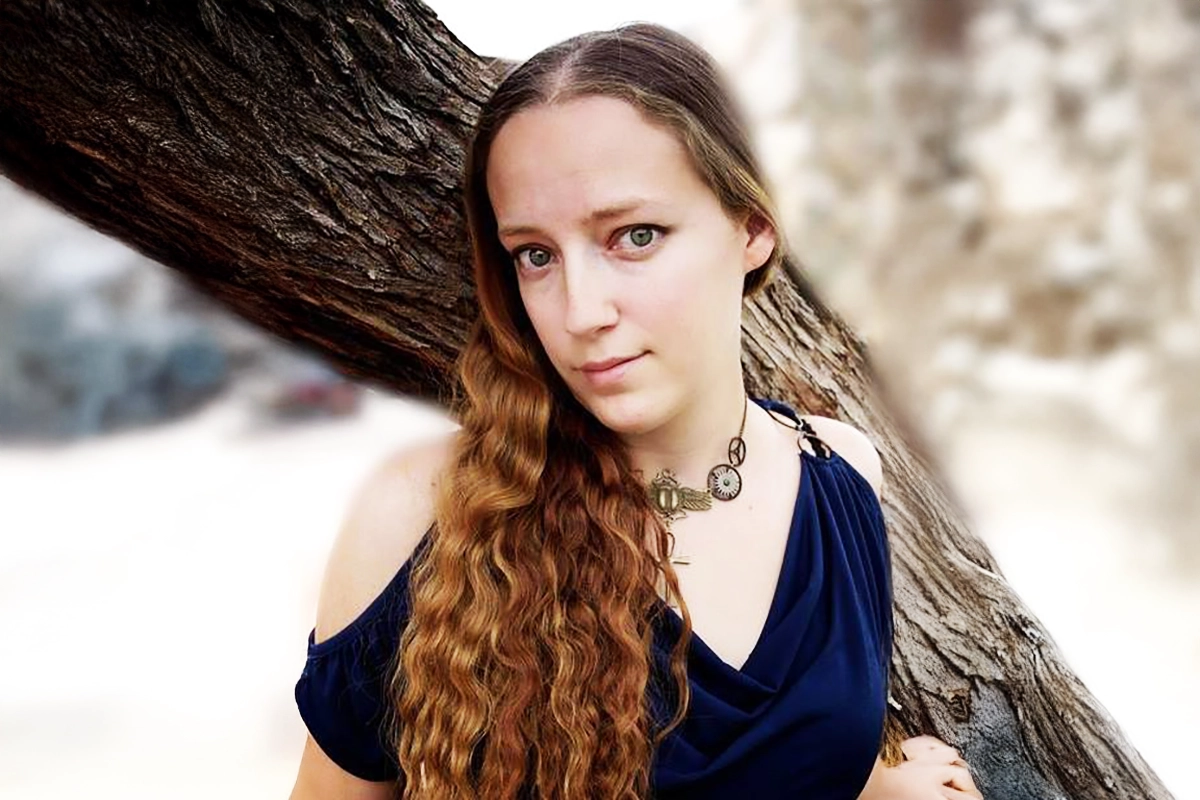
Photo: Lois Winston, bestselling author of the Anastasia Pollack Crafting Mystery Series, brings humour, suspense, and creativity to every thrilling page.
The Unique Voice of a Reluctant Sleuth’s Creator
Lois Winston discusses her journey from romance to cosy mysteries, the creation of Anastasia Pollack, and crafting humorous yet gripping plots that make her series a standout in the genre.
L ois Winston is a powerhouse in the world of cosy mysteries, weaving humour, creativity, and suspense into her captivating tales. Best known for her acclaimed Anastasia Pollack Crafting Mystery Series, now spanning 15 novels and three novellas, Lois has mastered the art of blending engaging characters, twisty mysteries, and laugh-out-loud moments. Her heroine, Anastasia Pollack, a reluctant sleuth and crafts editor, has become a beloved figure to readers worldwide. With her extensive background in the crafts industry and a knack for balancing light-hearted storytelling with compelling suspense, Lois brings authenticity and charm to her work, setting herself apart in the genre. In this delightful conversation, Lois shares her journey, creative process, and the perfect mix of laughter and mystery that defines her writing.
Lois Winston is a masterful storyteller whose literary brilliance shines in her humorous, unique, and thoroughly engaging cosy mysteries.
What inspired you to begin writing mysteries, and how did the transition from romance to mystery happen?
My agent suggested that I try writing a humorous crafting-themed cozy mystery. She knew an editor looking for one and thought I’d be the perfect person to write it. In my day job I worked as a designer in the consumer crafts industry. She also knew I could write humor. Talk Gertie to Me, my first published novel, was humorous chick lit. Her suggestion changed my life. I’ve been writing cozy mysteries ever since. My Anastasia Pollack Crafting Mystery Series released in 2011 and now numbers fifteen novels and three novellas.
Can you share the development process of Anastasia Pollack as a character in your crafting mysteries?
Writers are often told, “Write what you know.” There’s a lot of me in Anastasia. We both went to art school and decided we weren’t born with the teaching gene. I became a designer. I made Anastasia a crafts editor, a position I held for a few years when I worked for a publisher of craft books. We both have two sons. She has a communist mother-in-law, and I had a communist mother-in-law. That’s where the similarities end. My husband is still very much alive and never gambled us into debt. I’ve also never owned a Shakespeare-quoting African Grey parrot. Most importantly, I’ve never stumbled across any murder victims. Hopefully, I never will. Anastasia is far braver than I’d be in such situations.
“Come for the mystery; stay for the laughs and crafts.” – Lois Winston
How do you incorporate craft projects into your stories without detracting from the mystery elements?
Because Anastasia works as a women’s magazine crafts editor, she’s always working on some craft. The crafts aren’t part of the plot, but they are a part of her everyday working life, which makes it easy for me to feature a project or crafting tips at the end of each book without the crafts distracting from the book’s plot.
What is the process behind brainstorming and crafting the plot twists in your novels?
I don’t outline. I’m a seat-of-the-pants writer. I’ll get the germ of an idea and start writing to see where my muse takes me, always adding suspects, red herrings, and ratcheting up the tension along the way. Sometimes I write myself into a corner. When I can’t write myself out of it, I call my critique partner, and we bat around ideas until we come up with the perfect solution. A good critique partner is invaluable to an author’s sanity!
“North Jersey’s more mature answer to Stephanie Plum.” – Kirkus Reviews
What was the biggest challenge you faced while creating your first mystery novel?
Every genre has certain reader expectations. Mystery has many subgenres, each with its own distinct features. Because I had been writing romance, I first had to learn as much as I could about cozy mysteries, what readers would accept and what they absolutely wouldn’t. I immersed myself in the genre, learning everything I could before I began to write the first book in the series.
Can you tell us more about your experience with literary agencies and how it influenced your writing?
My agent was responsible for my career. She believed so much in my writing that she stuck with me for ten years before my books finally began to sell. Most agents drop an author after a year or two if they can’t sell their manuscript(s). I was very lucky to have such a champion.
Which of your books are you most proud of, and why does it hold a special place for you?
I’m most proud of my Anastasia Pollack Crafting Mystery Series, now at fifteen novels and three novellas. I found my true writing voice when I began writing about Anastasia, and I love the way readers have bonded with her and her fellow characters. I plan to keep writing about her for as long as readers want more of her adventures.
“Crafty cozies don’t get any better than this hilarious confection…Anastasia is as deadpan droll as Tina Fey’s Liz Lemon…” – Publishers Weekly
How do you balance humour and suspense in your writing to keep readers engaged?
Cozy readers want an interesting mystery that keeps them guessing, but they also want to escape from the real world. For that reason, I inject humor along the way as readers try to puzzle out whodunit. For Anastasia, humor is a coping mechanism for dealing with all that I continually dump on her – near destitution, a communist mother-in-law, and all those dead bodies. Laughter really is the best medicine because laughing releases endorphins. With everything going on in the world these days, don’t we all need an extra shot of endorphins now and then?
What is your writing routine like, and how do you stay motivated during challenging phases?
I try to write at least 1,000 words a day, but there are times when life gets in the way, and writing needs to take a back seat. Although I’m very deadline oriented, I try not to stress over those times when I can’t write because stress is counterproductive to creativity.
What do you think sets your work apart in the genre of cosy mysteries?
In researching crafting-themed cozy mysteries, I discovered the sleuth was always either a crafter, craft shop owner, or part of a crafting club. All focused on one specific craft. I made Anastasia the crafts editor of a women’s magazine so that I could highlight a different craft in each book, something different from other series. I also made her a “reluctant” amateur sleuth. She’d like nothing better than to go back to a time when she wasn’t tripping over dead bodies, but thanks to me, the bodies keep coming.
What is your biggest writing tip for aspiring authors looking to break into the industry?
Many people think they can write a book, but few have the skills to write a publishable book the first time they try. Most authors write for years before they sell their first book. They spend that time honing their craft. Anyone serious about writing needs to take the time to learn how to “write right” through classes, workshops, conferences, and networking. It’s not a career for those seeking instant gratification, but it’s a very gratifying career when you finally achieve your goal.
What is the most important piece of advice you’d give to other authors aspiring to make their mark?
Don’t chase trends. By the time you write your book, the trend will be waning, and agents and editors will be looking for the next big thing.