






Exploring The Creative Journey Of Ellyne – Poetry, Empowerment, And Fantasy
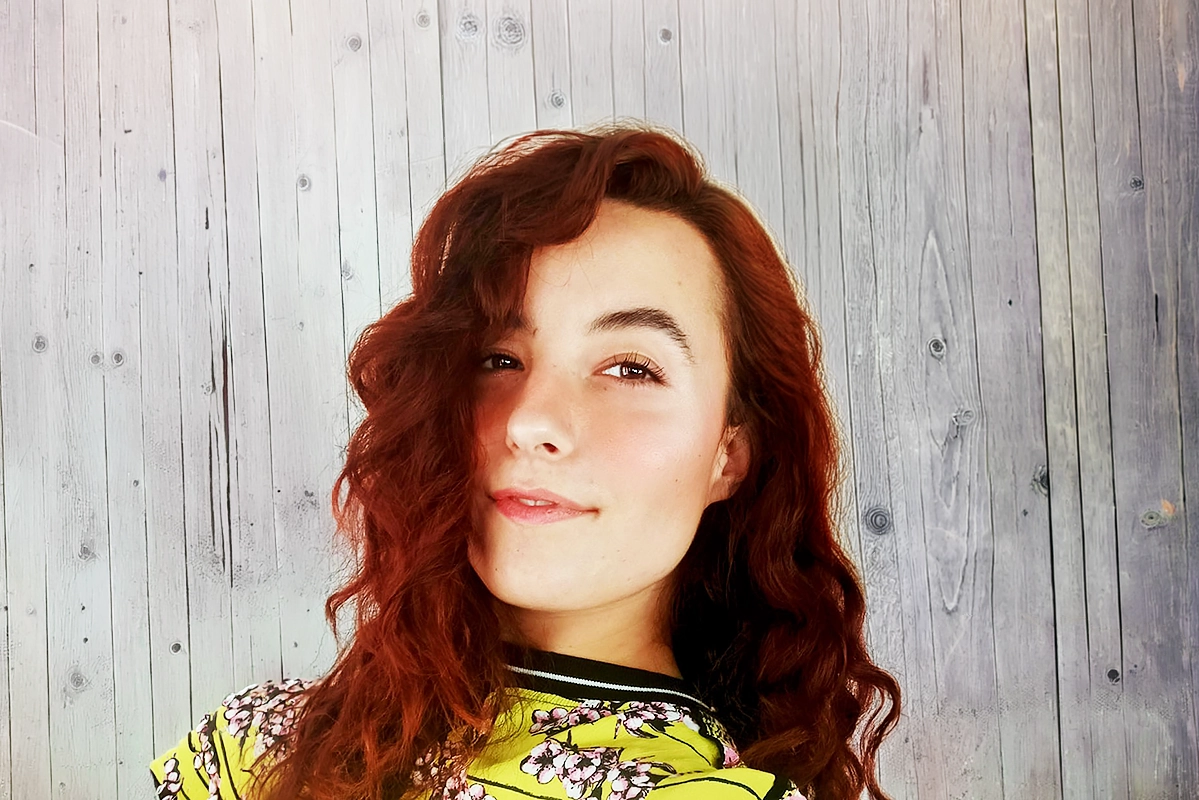
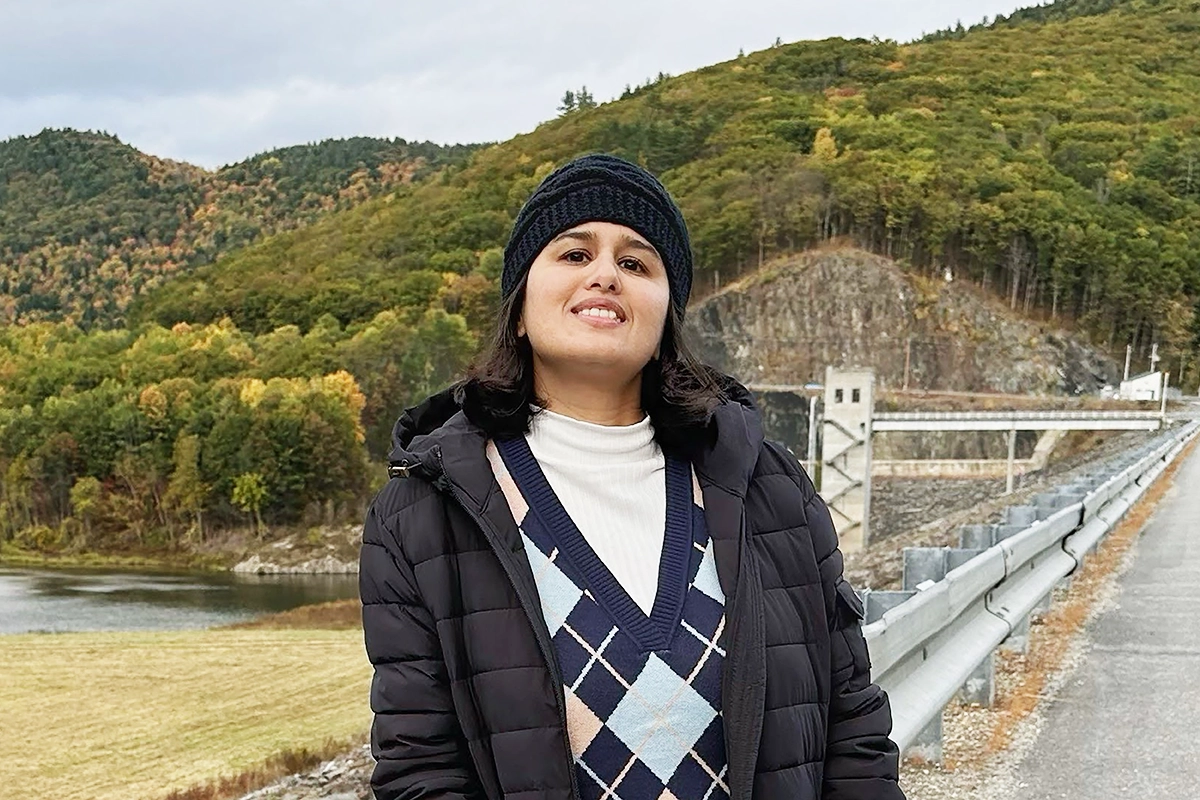
Photo: “Ellyne: Poet, storyteller, and voice of Eastern Europe, weaving magic and emotion into literary masterpieces.”
From Personal Experience To Artistic Mastery
In this insightful interview, Author Ellyne shares her creative inspiration, her cultural influence, and advice for aspiring writers while highlighting her journey as an Eastern European voice in YA and fantasy literature.
A uthor Ellyne is redefining the literary world with her emotionally charged poetry, compelling stories, and characters that resonate deeply with readers. Her works, spanning young adult (YA), new adult (NA), fantasy, and romance genres, are infused with themes of empowerment, vulnerability, and societal struggles, uniquely inspired by her Eastern European heritage. Not only does Ellyne capture the imagination with enthralling narratives, but she also creates spaces for introspection and healing through her writing. An artist at heart, from music to literature, she is a creator that marks her undeniable presence in global storytelling, inspiring readers to embrace both imperfection and depth.
Ellyne crafts empowering poetry, captivating fantasy and emotional stories, bridging cultures, societal struggles, and imagination for a global audience.
What inspired you to start writing poetry and stories?
I have always loved stories and when someone conveys emotions. I studied music for ten years and loved writing songs, as well as short stories for various competitions at school. I think that’s where it starts, and of course, my love of reading is the other main reason.
How do you approach the process of writing about personal and emotional topics?
I always start from my own experiences. I think writing is the best therapy for processing emotions. Writing every book and poem is a wonderful therapy.
“The brains of people are more interesting than the looks, I think”. – Hedy Lamarr
Can you share the creative process behind some of your most recent works?
I am currently writing a historical fantasy novel in Hungarian. I think it is important to read books that help me develop and inspire me in this field. In addition, I try to choose music that suits the writing process and create images and collages that reinforce the mood in me.
How has your cultural background influenced your writing style and themes?
It may be strange, but since I like to write in a foreign environment, I preferred to read foreign authors. The fact that I grew up in a different culture is more of a spice to the personalities of my characters.
Political intrigue and propaganda play an important role in my new story. Unfortunately, I have daily experience of this, which is perhaps why I am able to write about the subject authentically.
I give myself the attention that I could not receive from others.
“And yet it was pointless to expect this from others when I deprived myself of it.” – Ellyne
Which authors or poets have been the most significant influences on your work?
In terms of classics, Kafka had the greatest influence on me as a writer. In terms of modern style, my role model and good friend Mia Sheridan is a great inspiration to me, but I am also a huge fan of Rebecca Ross.
In terms of poetry, I really like a Hungarian poet named Pál Závada, and I have a favorite Hungarian musician who writes amazing lyrics, László Földes ’Hobo’.
I also believe that poetry can often be found in music, so I must mention my favourite musician, Trent Reznor from Nine Inch Nails.
What challenges have you faced as a writer since you began publishing in 2019?
I think that as an Eastern European writer, I have faced quite a few difficulties. I felt a bit like an outsider in a foreign profession, and it was very difficult to find the right way to look for a literary agent. Cultural and linguistic differences often posed obstacles, but I am still learning and developing in this area. Unfortunately, I see that many writers have difficulties in this area, so it takes a lot of time and effort to find one’s place.
In Hungary, however, the situation is different. There are no literary agents here; instead, you have to submit your work to publishers.
However, the economic situation is dire, fewer writers have opportunities, and in fact, a significant proportion of publishers publish 90 percent of books by foreign authors. So at the moment, we are also being pushed aside in our own country, and we have been relegated to the background in our own homeland, which is sad.
Can you explain some recurring themes or symbols in your books?
Social problems and oppression. Tension between women in a world where we should stick together. Political strife and rebellion.
How do you hope readers feel or think after reading your poetry and stories?
I am happiest when they feel this:
“I am not alone, someone has expressed what I feel…”
“I have finally broken away from reality and been filled with this whole imaginary world.”
What do you find most rewarding about writing for young adult (YA) and new adult (NA) audiences?
Accepting that we are not all the same, and that imperfection in itself is more attractive than the pursuit of perfection.
How do you balance conveying deep emotions while making your work accessible to readers?
I believe that deep emotions should also be natural. There is no need to over-explain everything; instead, the reader should be guided to think and reflect. As a reader, I like this approach, and I hope that as a writer I will be able to continue creating in this way. This gives readers the space to incorporate their own experiences into the story.
What advice would you give readers who are interested in starting their own writing journey?
Read a lot and be persistent. I’ve had two publishers in seven years, but I’m still looking for my place. In seven years, I haven’t managed to find a literary agent.
The biggest lesson is that you may not succeed with your first manuscript. So write a lot, and if you have a new idea, write it down, because it might be the one that brings you success!
What advice would you offer to other authors, especially those who are working on poetry or YA/NA books?
The same thing I tell readers who want to write.
Go with the flow and write down all your ideas, and of course, always look for solutions, not excuses.