












From Essex to Speculative Fiction: Steve’s Insightful Take on Literature and AI
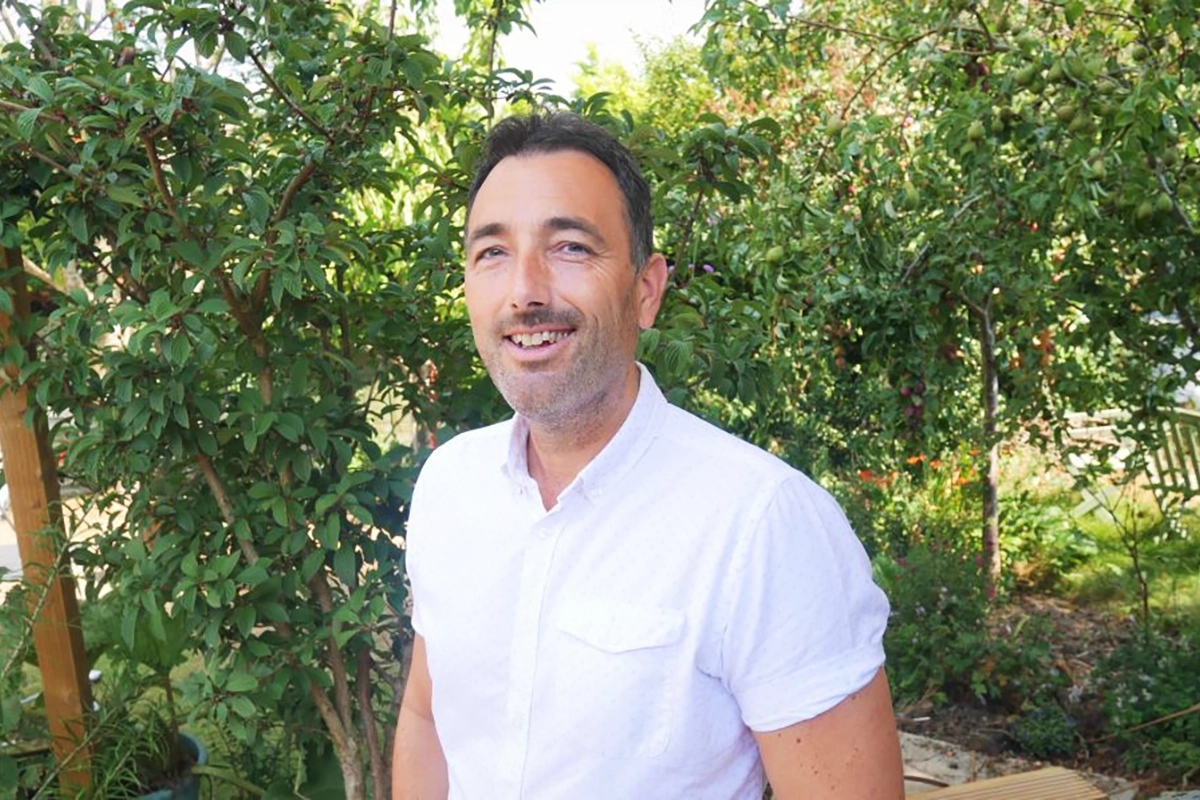
Photo: Steve Frogley, visionary writer of The Path of Good Response, reflects on AI, ethics, and humanity’s future in his thought-provoking thrillers.
Writing Philosophical Thrillers With Heart
Steve Frogley reflects on his journey from IT professional to speculative fiction author, the inspiration behind The Path of Good Response, and balancing ethical exploration with storytelling in his thrilling novels.
S teve Frogley invites us into a thrilling literary journey with his thought-provoking novels that seamlessly blend speculative fiction with contemporary issues. An author of exceptional creativity and vision, Steve captivates readers with his ability to explore ethical dilemmas, human nature, and the ever-increasing influence of technology on our lives. His debut, The Path of Good Response, took the literary world by storm in 2020 and continues to resonate, especially as technological advancements seem to blur the line between fiction and reality. 2026 will see the highly anticipated sequel The Gap alongside a re-release of his beloved debut, solidifying Steve’s place as a force in speculative thriller writing.
With a background in IT and an illustrious career shaped by his many travels, including a memorable chapter in New Zealand, Steve injects authenticity and relatability into his stories. Not one to limit himself to a single genre, he’s also ventured into the world of comedic romance under the pen name Evelyn G. Foster, proving that even dystopia deserves a dose of humour. Through vivid characters, thrilling narratives, and philosophical depth, Steve’s works are a beacon of originality, intellect, and entertainment—a must-read for lovers of speculative fiction and those curious about the intricacies of the human psyche when challenged by technology.
Steve Frogley is a visionary writer crafting gripping speculative thrillers, blending philosophy, technology, and humanity with originality and precision.
What inspired you to write your debut novel, *The Path of Good Response*?
There are a few themes at the heart of the novel. The protagonist, Joe, is obsessed with Rachel, a woman he has known since school. Joe finds himself the subject of experimental technology designed to correct his errant thought processes while isolated on a vast ship at sea. Schelldhardt, the world’s largest company, is financing this technology as part of a darker plan to ensure its continued growth. The novel is inspired by our real-world over-reaching technology companies and their influence on our thinking – ideas that are further expanded in the sequel, The Gap.
How much of your own life experiences influenced the characters or story in your book?
It is inevitable that aspects of yourself are reflected in the novels you write. I have always been a procrastinator and over-thinker, and The Path of Good Response explores the concept of a technology that facilitates making ideal choices. Decisions are most challenging when different ideals collide, and we are forced to choose between things that seem almost equally important. I struggle with this every day!
“Most authors write because they love it; having commercial expectations ruins what makes the creative process so precious.” – Steve Frogley
Can you share more about the writing process behind your first novel?
I’m a slow writer and a serial editor. My writing process is very inefficient, and The Path of Good Response was particularly challenging. I have written three novels in ten years, but I hope to speed up now that I have more time to focus on my writing. I am the last person in the world to give any tips on the writing process. I try to plan/plot in advance, but I find stories take a life of their own, and I don’t always end up where I thought I would be
What challenges did you face when transitioning from a career in IT to pursuing your passion for writing?
Time is a killer for everyone who writes. My IT career was really full-on, leaving only evenings and weekends to write, when of course, you want to spend time with family and friends. I’m fortunate to now work part-time for a charity. I suspect that most people who want to write have harboured those feelings for a long time, maybe since their school days, like me. Even when I was working in IT, I often scribbled notes in a pad for later reference. Writing feels like a natural thing to me, so there was no difficult transition in that sense – only the desperate need to find time to do it.
“Writing feels like a natural thing to me—stories are always evolving beyond my initial thoughts.” – Steve Frogley
How did your time in New Zealand influence your perspective as a writer?
New Zealand is such a beautiful place, and I feel fortunate to have spent a few years there with my family. The Kiwis have such a positive outlook on life and a great sense of national pride. I love England, but I do find us quite pessimistic as a nation, despite so many great things about our country that you only truly appreciate once you leave it for a while. That is a lesson we can definitely take from the Kiwis. In terms of writing, I probably had even less time to write in New Zealand. I travelled with my young family for a few months before taking a full-time IT job in Auckland, but the scenery and environment were definitely inspiring.
What is the meaning behind the title *The Path of Good Response*?
This is a spoiler for the novel, deliberately kept mysterious throughout, but The Path of Good Response is the ideal neural pathway through the brain for making a decision. The idea is that Schelldhardt’s product, the conductor, is surgically implanted in the brain. The conductor can identify errant thought processes, such as addictions, and realign them to make good decisions, i.e., to follow the Path of Good Response. These ideas feel ever more relevant to me as AI systems are now making ethical decisions on our behalf, following their own concept of what this should look like (at least what the technology companies behind them believe!)
This is where the novel has really blurred with reality in the five years since I first published it. I had some really interesting conversations with neuroscientists/researchers at the time who are actually working on technology for the human brain that is not too dissimilar to this.
How do you balance creating a gripping story with exploring philosophical or ethical questions?
This was a challenging aspect of the novel. I didn’t want the novel to become preachy or to introduce my own agenda of what the right thing should be. The protagonist Joe wrestles with his decisions, completely unaware of the situation he is in. I wanted the novel to feel like The Truman Show to him. A mystery where we share his journey.
Do you already have ideas or plans for future novels?
I’m always writing. The Path of Good Response will be republished this year, along with the sequel, The Gap. The Attraction Abacus was released late October 2025 under the pseudonym Evelyn G. Foster, and I have more novels in progress.
Ideas are never the issue for me. It is always a challenge to find the time to write everything that I would like to write.
What do you hope readers take away from your book?
To think about our future in relation to AI and the way we make decisions. Schelldhardt’s methods might be wrong, but the idea that the only way forward for humanity is through the mind is an interesting one to me. Unless we think the same and share the same priorities and agenda, there will never be peace and equality. It is the only true way we can evolve as a species.
Which authors or genres have influenced your style of writing the most?
I love reading so many different kinds of books, some for the writing and some for the ideas. I love Philip K. Dick novels for the ideas, authors like Donna Tartt and Geoff Dyer for the writing, and David Nicholls for a laugh and a bit of heart-warming. A mad mix!
How do you typically handle feedback from readers about your work?
No single book appeals to everyone. Everybody sees things differently. Ask a thousand people for an opinion, and you’ll be rewriting your book for the rest of your life! We all like different things. All opinions are valid, and I am just grateful if anybody takes the time to read my books.
What advice would you give to aspiring authors who are just starting out?
Only write if you enjoy it. For most authors, writing is the ultimate get-poor-slow scheme. Don’t even consider writing a book just to make money. Finding an agent is extremely competitive, and trying to publicise an indie book is equally tough. Write what you like because you enjoy it and don’t expect commercial success. Don’t write at all if you don’t enjoy the process.