



Michel Muffat Has Turned Kuramathi Into One of the Maldives’ Finest Culinary Destinations
French Expertise, Sustainable Values, Exceptional Island Dining
French Executive Chef Michel Muffat shares how more than two decades of leadership, innovation, sustainability and mentoring have transformed Niva Kuramathi into a world-class culinary destination in the Maldives.
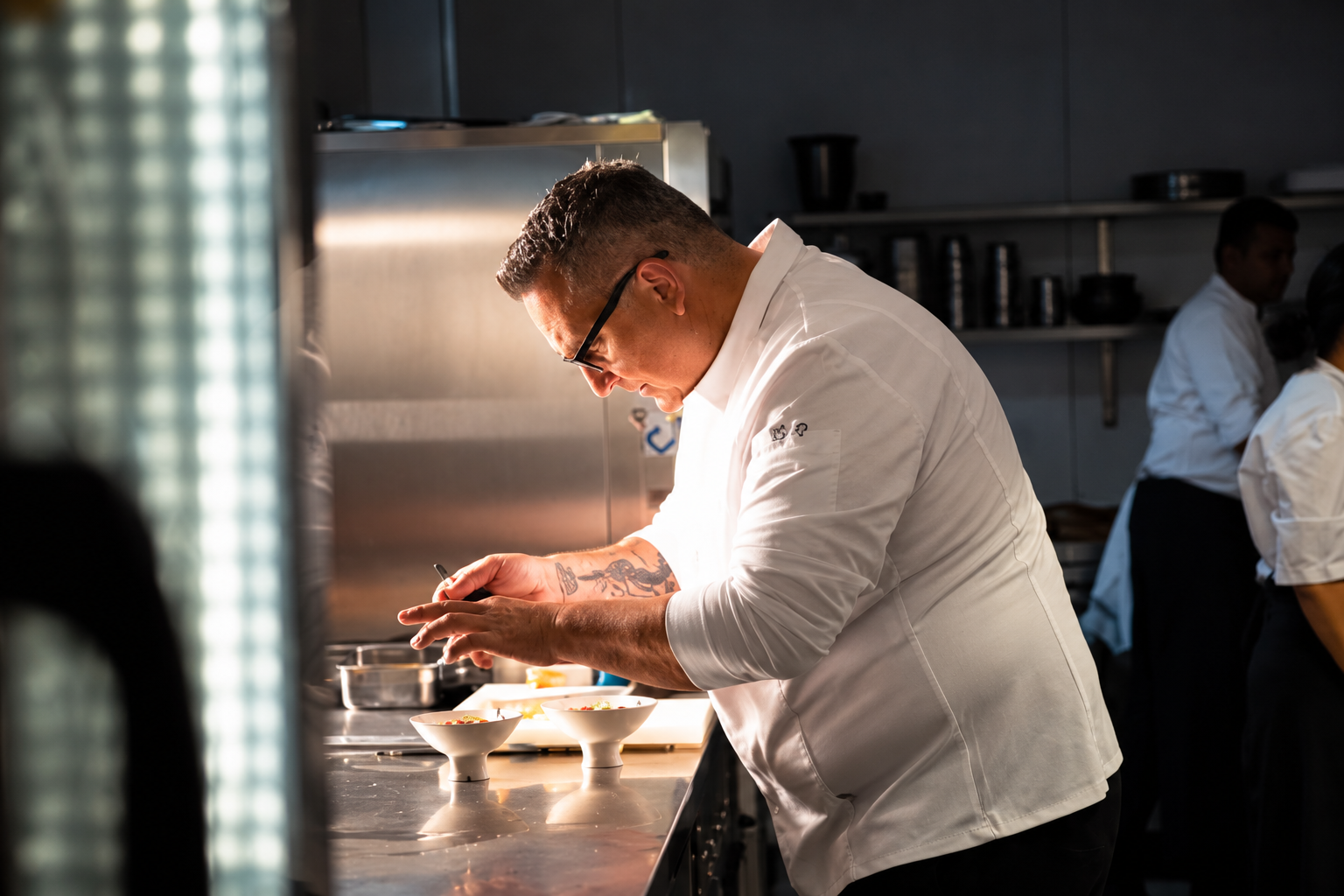
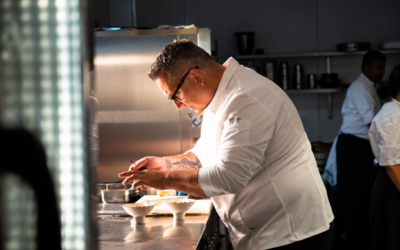
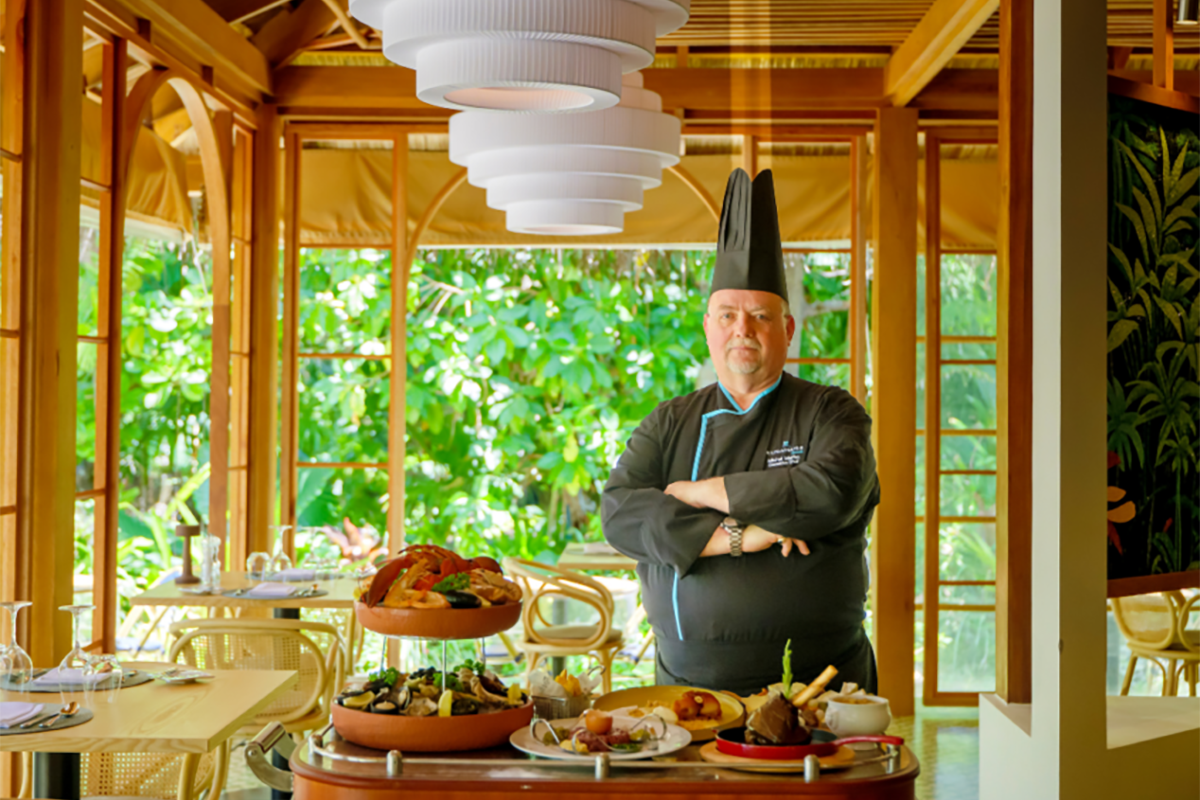
F rench-born Executive Chef Michel Muffat has spent more than two decades quietly shaping one of the Maldives’ most remarkable culinary success stories. From his classical training in France to leading the kitchens of Kuramathi, his career reflects an unwavering commitment to excellence, innovation and the relentless pursuit of higher standards. At the helm of an operation spanning 12 restaurants, he has transformed not only menus and kitchens but also the culture of hospitality, mentoring generations of chefs while ensuring that every guest enjoys an exceptional dining experience.
Few chefs possess the breadth of experience or the vision that Michel Muffat brings to the table. His achievements extend far beyond creating memorable dishes. Through meticulous attention to quality, rigorous food safety standards, sustainable practices and a passion for developing talented teams, he has helped establish Kuramathi as a benchmark for culinary excellence in the Indian Ocean. His ability to combine French precision with global influences and a deep appreciation of local ingredients has earned him the admiration of colleagues and guests alike.
In this exclusive interview Michel reflects on the journey that took him from the kitchens of France to one of the world’s most celebrated island destinations. He discusses the challenges of overseeing a vast culinary operation, the importance of sustainability, the realities of sourcing ingredients in a remote location and the leadership philosophy that has underpinned his enduring success. It is a fascinating insight into the mind of a chef whose dedication, creativity and professionalism continue to raise the bar for luxury dining in the Maldives.
If you’d like, I can also make it more magazine-style and evocative, with a stronger luxury travel and fine dining tone befitting Taste London.
Michel Muffat exemplifies visionary leadership, culinary excellence and unwavering dedication, inspiring his team while continually raising hospitality standards across Kuramathi.
Can you give some background about you and explain what brought you to the Maldives, and to Niva Kuramathi in particular?
I was trained in France at the hotel school of Thonon-les-Bains then worked in different places around Europe, Switzerland, Portugal and France, I then moved to Korea and Thailand. In 2003, tourism stopped completely in Southeast Asia due to SARS.Most hotels stopped their operation but then I got the opportunity to come to Kuramathi where the challenge was huge and very interesting for me. It was the perfect place to put in place what I was learning in the previous 20 years.
What is it that has kept you in the Maldives for so long (over 20 years)?
I would say the challenge of it all.
First: the process of putting everything in place, implementing hygiene standards, organising culinary training, and improving the quality of the food.
It also involves renovating all kitchens, creating an identity for each à la carte restaurant, and organising the supply chain.
Second: it involves the trust of the top management, who gave me the full green light to implement all the necessary improvements for the island, as well as to implement some of my ideas for the benefit of our guests, who represent a wide range of culinary preferences. Third: Kuramathi is a good place for my 2 passions in life: cooking and scuba diving.
Mosaic How do you manage to balance managing 12 restaurants at Niva Kuramathi?
Managing 12 restaurants relies entirely on delegating to a strong chef de cuisine in each kitchen. All the chefs de cuisine were trained by me, and they are responsible for maintaining quality and hygiene standards and overseeing the training of the junior team members.
What are the key differences between your 9 à la carte restaurants and your 3 buffet restaurants?
The buffets are here for pleasure. The à la carte restaurants have their own identity and serve a cuisine based on their concept. Guests can choose an à la carte restaurant according to their preference.
What is the most popular type of cuisine and why do you think that is?
The Island Barbeque is the most popular. The reason is that it offers grilled food and excellent-quality meat. The flambé at the table, which is something relatively rare in Europe nowadays, is another reason for its popularity.
Mosaic How vital and important is self-sufficiency and sustainability to your operations?
Sustainability and self-sufficiency are vital to modern culinary operations. They dictate everything from ingredient sourcing to waste management, operating costs, and consumer trust. I prioritise local production before importing goods.
How often are the menus changed and what inspires you in your choice selections?
I do not change the full menus but only some parts of all menus around a couple of times per year, mostly based on popularity of the dishes and new trends.
Is climate change an increasing factor in your business?
In the kitchen, this is not a factor at all at the moment. For the Maldives, it certainly is. Climate change is an increasingly critical factor for businesses, particularly in the tourism and fisheries sectors. With over 90% of resort infrastructure located near the coastline, operations must constantly adapt to rising sea levels, beach erosion, and warmer ocean temperatures that affect marine life and coral.
What are the main challenges and issues you face?
Regarding the kitchen department, the main challenges are logistical difficulties in the supply chain and ensuring that food arrives on time.
Maintaining strict food safety (HACCP) standards in a tropical climate is another challenge.
Kitchens also struggle to recruit skilled workers, which is another issue. Conflicts around the world lead to increased fuel costs and disruptions in the supply chain, putting constant pressure on maintaining budgeted food costs.