












Brooklyn Kerr Illuminates The Darkness With Her Powerful Stories Of Justice And Redemption
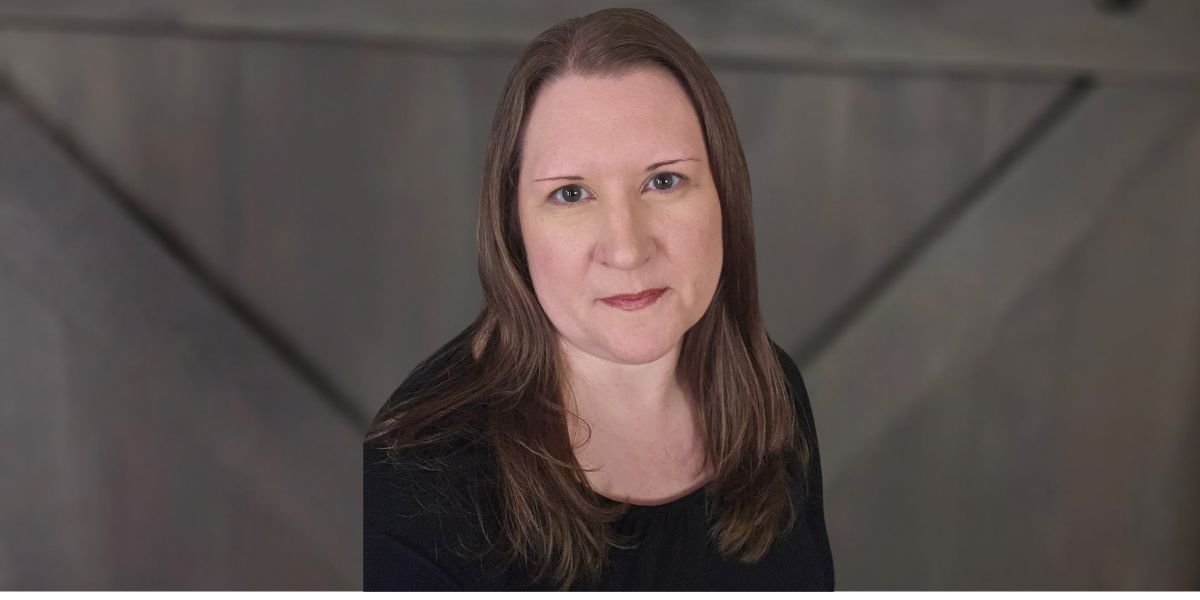
PHOTO: Brooklyn Kerr, author of the gripping Diablo series, known for her fearless exploration of trauma and the triumph of the human spirit.
Exploring Trauma, Resilience, And The Human Spirit Through The Diablo Series
Brooklyn Kerr’s Diablo series blends raw emotion, legal insight, and psychological depth, bringing light to difficult themes of trauma, justice, and healing through unforgettable storytelling.
B rooklyn Kerr stands as a powerful voice in contemporary fiction, courageously blending dark realities with messages of resilience and hope. Drawing from her extensive experience as a lawyer and child advocate, Kerr’s work transcends storytelling—it becomes an act of empathy and awareness. Her acclaimed Diablo series, which includes Dead Man’s Curse, Dead Man’s Revenge, and Dead Man’s Alliance, delves into the world of trauma, survival, and justice with gripping emotional depth.
Through her complex characters, such as Clancy Stevens, Kerr gives voice to the unsung heroes who fight to protect the vulnerable, while also exploring the toll that compassion and courage take on the human spirit. Her novels balance intensity and tenderness, confronting readers with the rawness of trauma while offering the light of healing and redemption.
Brooklyn Kerr, author of the gripping Diablo series, known for her fearless exploration of trauma and the triumph of the human spirit.
Mosaic Digest is honoured to feature Brooklyn Kerr, an author whose fearless storytelling reminds us that even in the darkest moments, hope, resilience, and love can prevail.
What inspired you to write about such a dark and sensitive topic as child abuse in your novels?
The inspiration for my Diablo series came from my desire to share and celebrate the strength and bravery of the survivors I worked with throughout my career in law and child advocacy. After working with survivors at various stages of their lives and recovery, it was important to me to include this subject in a series of novels to bring awareness to readers. Healing from trauma is challenging in many different ways. I’ve been able to highlight those challenges, showing readers that there can be a fulfilling life after trauma. In doing so, I also found that it was a cathartic way to process what I’d heard from survivors.
“Healing from trauma is challenging in many different ways, but there can be a fulfilling life after pain.” – Brooklyn Kerr
How do you draw upon your past experience as a lawyer and advocate for child victims of abuse in your writing?
Working as a forensic interviewer, I heard directly from children who experienced trauma. I also watched their progression of healing as they came back to work with our counselor, came to the parties we hosted to celebrate holidays, and supported them when they went to court. As a lawyer, I worked with many survivors who had experienced trauma, whether recent or in the past. My experience gave me a unique perspective on the resilience and difficulties of those who survived trauma. The memories of my time with survivors have always in the background as I write, helping guide the reactions and emotions of my characters or giving ideas for plot points. However, my characters and the plot are entirely fictional.
Can you tell us a bit about the character of Clancy Stevens and what motivates her in the story?
Clancy is the executive director of Shining Light Child Advocacy Center in the fictional city of Taylor Ridge, Minnesota. Her agency works with law enforcement, prosecutors, and child welfare workers to talk with children in a safe environment to find out if they have been abused. While not a survivor of child abuse herself, Clancy has experienced the traumatic loss of a child, which makes her feel compelled to use every resource she can find to support children in her community. She has a strong sense of ethics, she follows the law to the letter, and she follows her instincts on how to protect the children who come to her center.
How do you balance the need for graphic violence and dark themes with the desire to create a compelling and engaging narrative?
The Diablo series has several elements all working together to make an immersive experience for the reader, including an engaging plot, fast-paced action, vigilantes who work outside of the law, strong main characters, tension, suspense, humor, and spice. A main part of the plot does involve graphic violence and dark content to further the story and develop the characters, engaging readers as it creates the tension needed to escalate the book toward its climax, and ultimately, the series. To prevent the dark themes from becoming overwhelming, I also use some humor and create a familial atmosphere in the crew. Despite the darkness that exists in this story from beginning to end of the series, there is an overarching theme of hope even in the darkness that keeps readers turning the pages.
What is the significance of the title Dead Man’s Alliance, and how does it relate to the plot of the book?
Dead Man’s Alliance is the third book in the Diablo series, after Dead Man’s Curse and Dead Man’s Revenge. In the first two books of the series, the crew of Dead Man’s Metal is learning more about Diablo, a lethal crime syndicate, and the extent of the hold they have on the fictional city of Taylor Ridge. By the third book, the crew realizes that they won’t be able to take on a force of Diablo’s size and capacity on their own, so they decide to create an alliance. With the resources of the other gangs in the area, the crew hopes that the battle they’re headed toward with Diablo will be one they’ll be able to win. This book focuses on the escalating tension with Diablo, the reason why Dead Man’s Metal believes a battle is coming, the crew’s president working alongside a non-profit executive director to create a strategy despite their very different styles of conflict management, and the difficulties involved in working with other criminal organizations who could have already been recruited by Diablo.
How do you develop the complex relationships between characters, such as Clancy and Zeus, in your writing?
Before I start writing a novel, I get to know my characters’ motivations, goals, flaws, quirks, backstory, and their projected development throughout the story. Since this book is part of a series, I’d been working with these characters since the first book. When they meet, there is already tension between them because Clancy is one who is a rule follower while Zeus is a rule breaker. That tension only increases as the stakes rise, feelings develop between the main characters, conflict intensifies, and priorities are reconsidered by the characters.
What do you hope readers take away from your novels, particularly in terms of the portrayal of survivors of abuse?
I have two main goals in writing novels that portray trauma survivors. One of my main goals is to raise awareness for those who have not experienced that type of trauma. While what I write is fiction, these types of assault I depict are very real and harmful. It’s important for us to know that they exist. Additionally, I write novels to provide hope to survivors that they can heal, they can have good relationships in the future, and they can overcome what has happened to them. They may still have emotional or physical scars after what they endured, but that they can find people to support them, enter into a healthy relationship, and live a full and satisfying life. Seeing that representation in books I believe is important for readers who have endured trauma.
What advice would you give to fellow authors who are looking to tackle difficult and sensitive subjects in their own writing?
For anyone who writes about something they have not witnessed or experienced, research is necessary. The same is true of writing about those who have gone through trauma. Interviews with survivors, blog posts of survivors, information from survivor groups, information from advocates, and articles about trauma responses are just a few resources that writers could use to learn more about survivors. It would be just as important to learn about their struggles as it would be the negative stereotypes of those who don’t understand the dynamics they face. After writing the book, I would also recommend engaging a sensitivity reader in the editing process to be certain that a writer has avoided any potential pitfalls that could be unintentionally harmful to survivors or promote stigmas that survivors often face.
“Writing the Diablo series was my way to honour the strength and bravery of the survivors I’ve met.” – Brooklyn Kerr