











Step into the Worlds of Mal Foster – Vibrant, Haunting, and Timeless

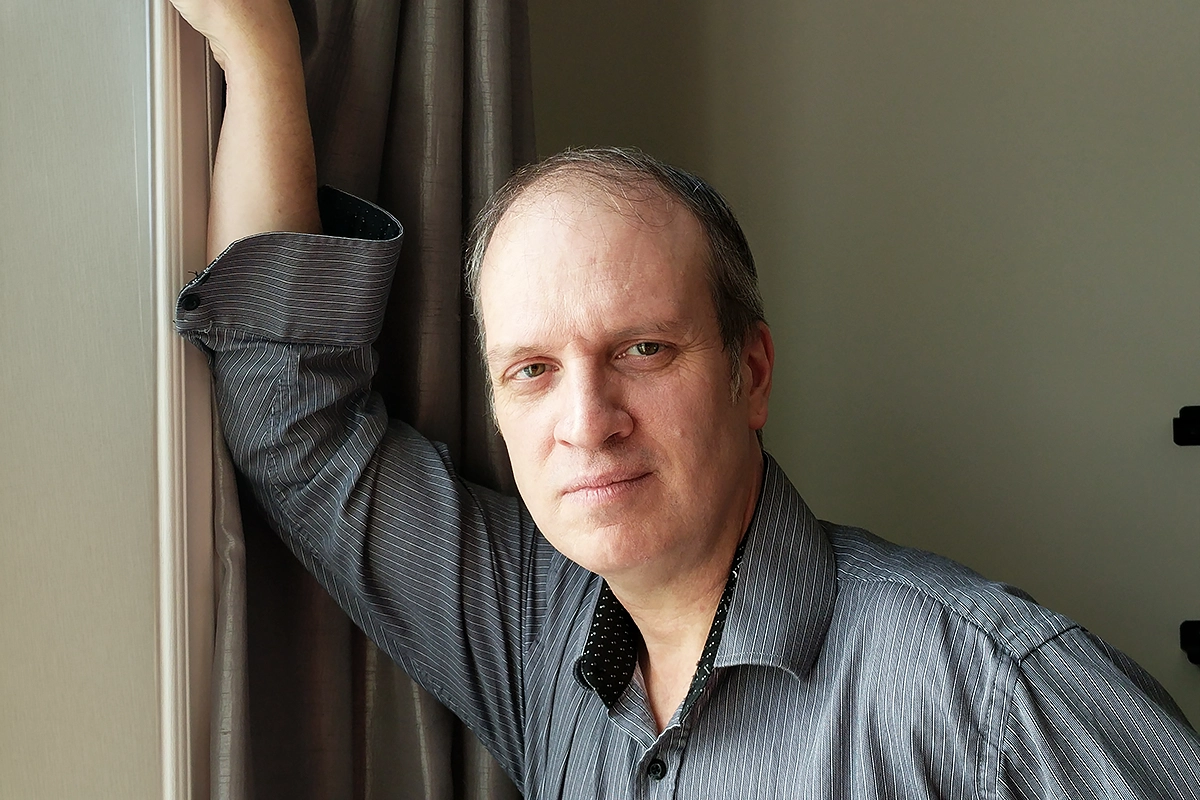
Photo: Mal Foster – A passionate storyteller and master of resurrecting the ordinary into extraordinary tales that stay with readers forever.
A Writer Who Resurrects People, Places, and Timeless Tales
Discover Mal Foster’s breathtaking novels, shaped by history and personal passion. Explore his creative process, writing challenges, and characters that leave readers emotionally intertwined until the very last word.
M al Foster, a gifted storyteller and “writer of the ordinary man,” has captivated readers with his compelling and evocative novels. Through a combination of meticulous research, vivid imagination, and deeply human characters, he brings history, emotion, and real-life struggles to the forefront of his works. From his chart-topping debut The Asylum Soul to his extraordinary historical tribute In the Shadow of Marc Bolan, Foster’s literary journey is an inspiration. His versatility and ability to weave intricate stories, whether grounded in history or skewed by the paranormal, showcases his mastery as an independent author. In this exclusive interview, we dive into the creative mind of Mal Foster, exploring his inspirations, writing discipline, and the timeless themes that resonate throughout his novels.
Mal Foster‘s extraordinary ability to intertwine history, emotion, and imagination makes him a shining star in independent publishing.
What inspired you to write your first novel, ‘The Asylum Soul’?
I live near the site of the old Surrey Lunatic Asylum (later Brookwood Hospital), which was demolished in 1994. Much of The Asylum Soul is set around a patient’s diary and other artefacts allegedly discovered in a hollow tree trunk during the demolition. The items dated back to 1929.
How has your experience as a local journalist influenced your writing style or choice of topics?
Two very different writing disciplines. My experience as a journalist inspired the character Jack Compton in my second and third novels, Fly Back and Purify and An Invisible Nemesis. Another character, Daniel Blue, also a journalist, was the protagonist in my sixth novel, The Story of Virna Babineaux.
“Research is key… verifying dates and locations is important, even in fiction.” – Mal Foster
What is the significance behind the title of your latest novel, ‘In the Shadow of Marc Bolan’?
I was a teenager in the 1970s. Glam Rock, particularly T.Rex, made for a great soundtrack to what I believed was my true identity. The legacy Marc Bolan left after his tragic death in a car crash in September 1977 had a profound effect on me. It was a story just waiting to be written.
Do you have a favourite character among the ones you’ve created, and why?
Jude Rogers, from Jude & Bliss, is a vulnerable young woman growing up in Victorian England. Jude is based on a real character, Emily Jane Popejoy, who died at the hands of her mistress whilst working in servitude in London’s Half Moon Street. Whilst conducting my research to create Jude, I felt a strong spiritual connection with Emily, particularly after visiting her grave in a small cemetery in Bagshot, Surrey.
“I write at my best during the quiet small hours or while travelling – inspiration is my biggest motivator.” – Mal Foster
What is your writing process like? Do you follow a strict routine or write when inspiration strikes?
I can usually write only when inspiration ‘strikes’. I prefer writing in the small hours, when everything is quiet. That said, I also often write while travelling.
Can you share any challenges you faced while writing your novels and how you overcame them?
For me, the editing process is always the biggest challenge. I tend to do this in three stages, namely storyline, grammar, and formatting. Once my manuscript is back from the proofreader, I always go through the process again in case they have inadvertently changed something out of context.
How do you approach historical or real-life events when incorporating them into your fiction?
Research is key. Verifying dates and locations is important, even when writing fiction.
Which of your novels was the most enjoyable to write, and what made it so?
My psychological/paranormal novel, Fluke’s Cradle, is set in the 1970s, when I grew up. I was able to mention some of my old haunts and bring them back to life. I also based some of my characters on the colourful, lively people I used to know. It was a poignant experience reimagining them in one of my books.
Do you have a specific message or theme you hope readers take away from your novels?
Based on feedback, readers often see my protagonists as valiant, vulnerable souls. They tell me they become so absorbed in a character’s personality that they always fight their corner alongside them to the very end. Eliciting such a reaction makes the whole writing experience worthwhile.
What writing tips would you give to aspiring authors?
Write what you know. Always go with your gut instinct, and I try not to change too much during the editing phase, as this could water down the strength of what you already have on paper.
What is the best piece of advice you would offer to someone wanting to become an author?
Decide which genre suits you best. Read books by other authors in that genre, then experiment with your own writing. If possible, join a writers’ group to gain their feedback. Shut out any negativity. Always be proud of what you have written. You’ll know when it’s time to publish!
What advice do you have for authors looking to self-publish or remain independent?
If self-publishing, it’s always worth seeking assistance. There are some good companies out there that can help. However, there are also a few bad ones, so always do your research. A quick Google search is a good place to start. Also, before committing to self-publishing, decide how you will promote your book. Remember, your book won’t sell itself!