










Historical Drama and Viking Echoes: The Stories of Ole Åsli
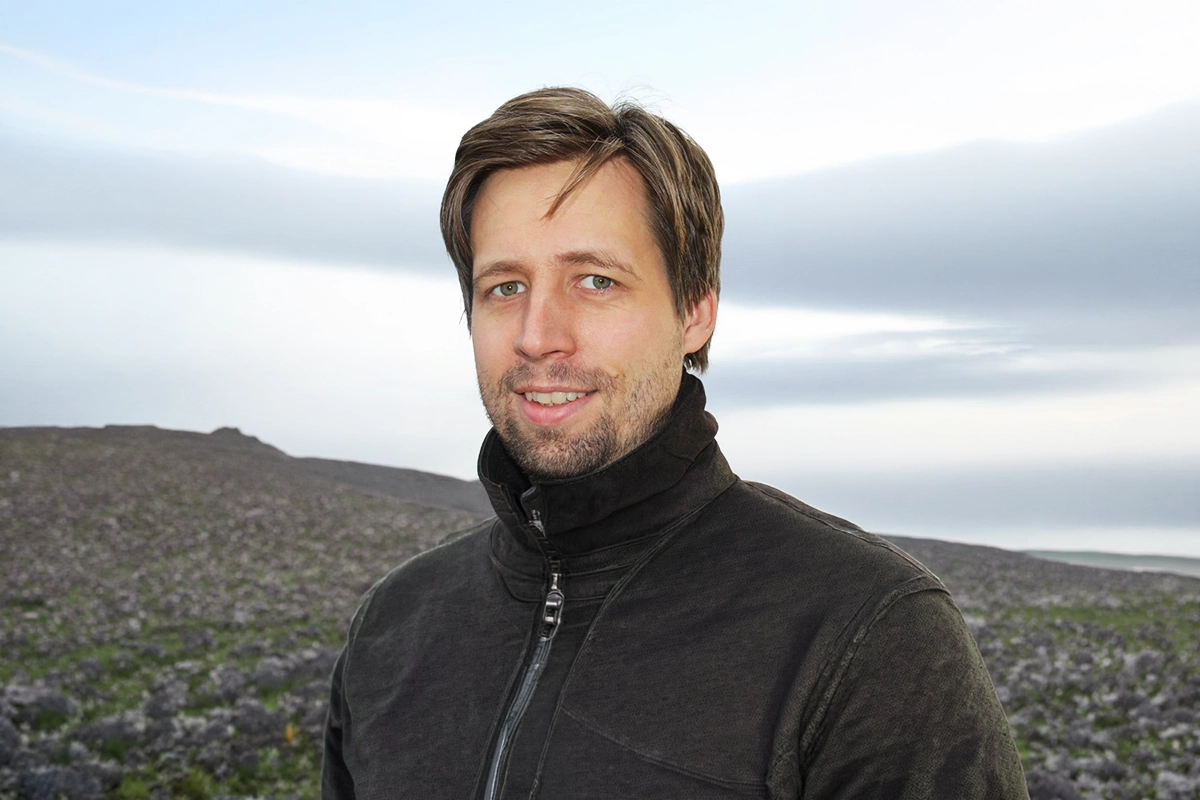
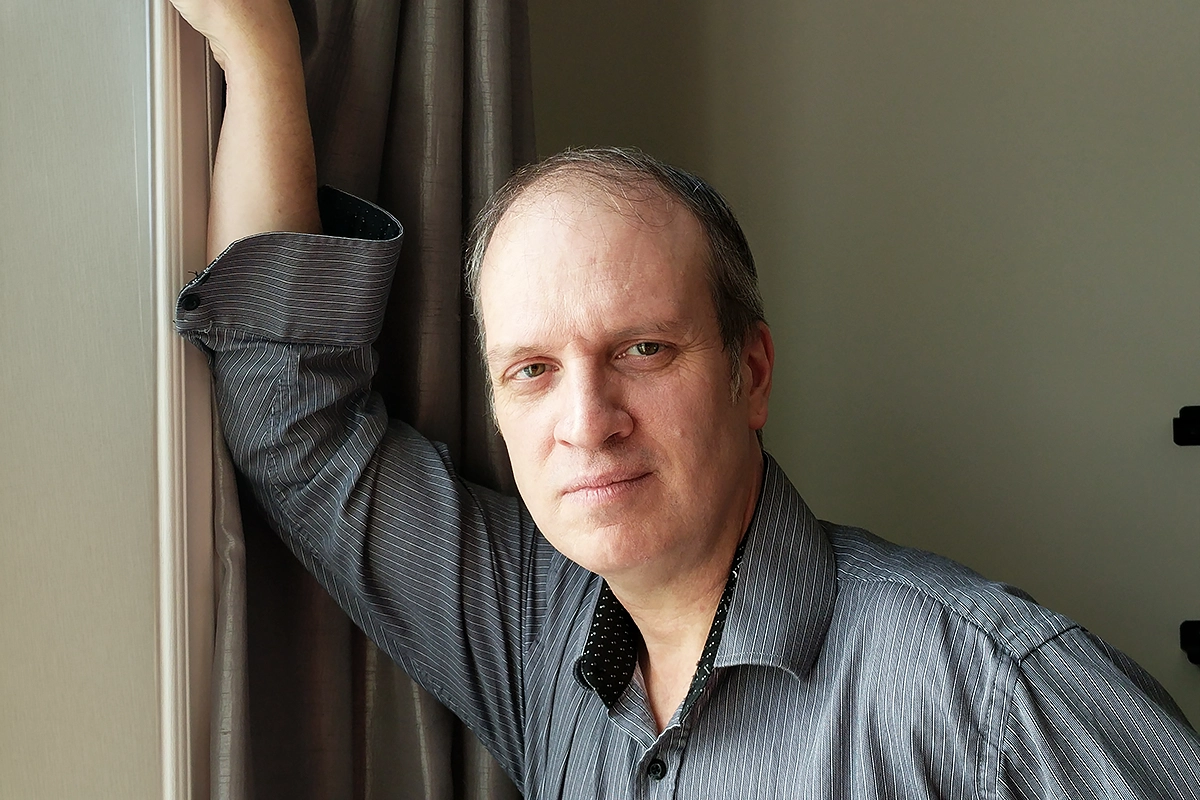
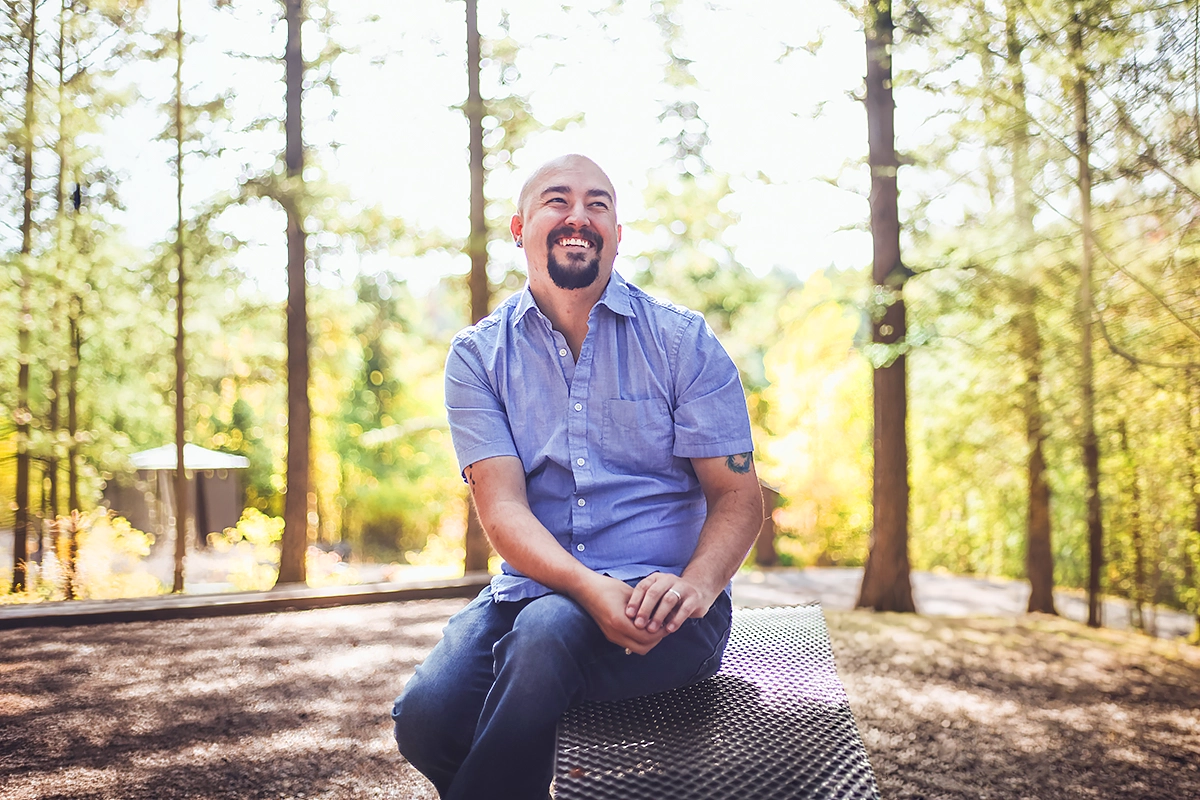
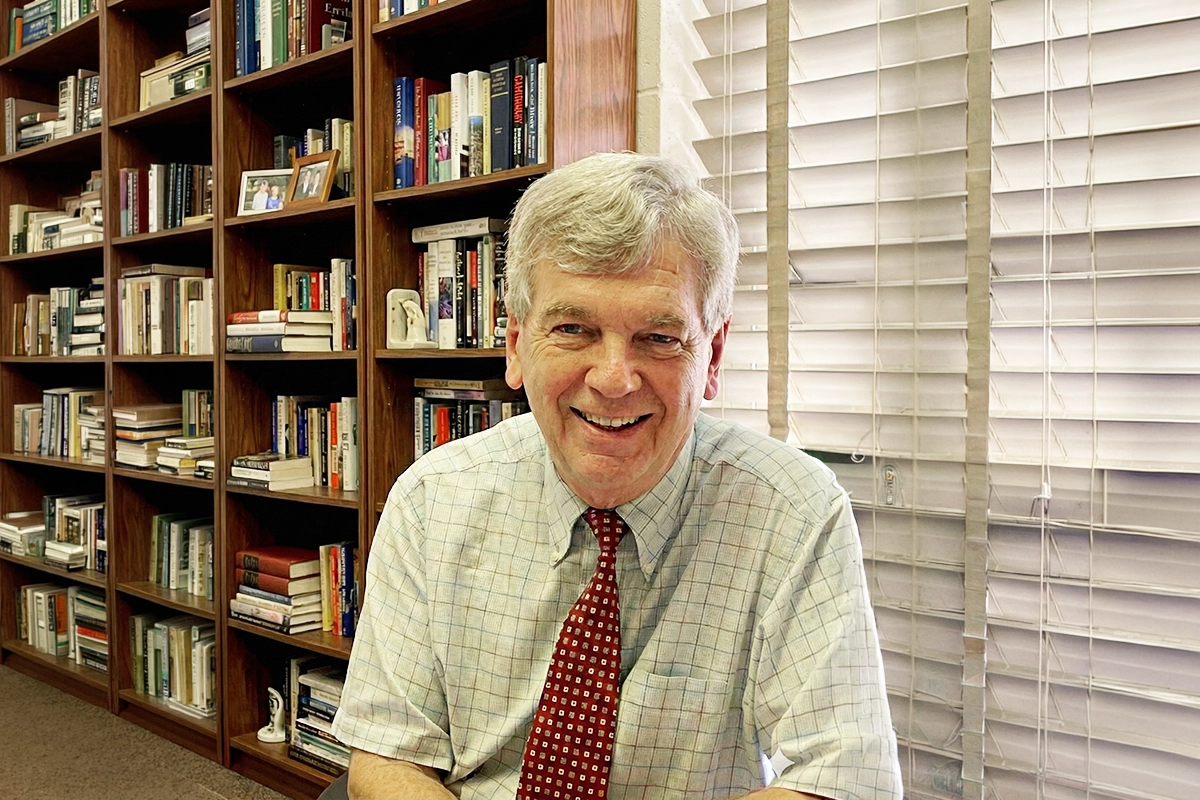
Photo: Ole Åsli, the mastermind behind compelling Viking historical sagas, brings Nordic history and legends alive through his masterful storytelling.
A Journey Through Norway’s Viking Legacy
Ole Åsli, Norwegian author of Viking-age historical fiction, delivers epic sagas with authentic detail, profound psychology, and enthralling drama in his acclaimed Viking Ventures, Vikings of Norway, and Shieldmaiden.
O le Åsli captivates readers with his rich Viking historical fiction and epic sagas that dive deep into the humanity and heroism of the Viking Age. Together with his co-author Tony Bakkejord, Åsli has masterfully brought to life the interconnected series Viking Ventures, Vikings of Norway, and the Shieldmaiden series, presenting stories that blend meticulous historical research with vivid, character-driven storytelling. Åsli’s attention to Nordic landscapes, cultural heritage, and human psychology makes his novels both authentic and profoundly gripping. We are thrilled to feature this accomplished author and his incredible historical writing journey in this edition of Reader’s House Magazine.
Ole Åsli masterfully combines rich historical detail and psychology, creating unforgettable Viking sagas that resonate with readers worldwide.
What inspired your passion for storytelling and how did you transition into writing?
I’ve been interested in stories and storytelling for as long as I can remember. I stumbled upon paper-and-pencil role-playing games in elementary school, and from that moment on, my friends and I spent countless hours creating stories together. That’s essentially what those games are: shared storytelling.
Later, I discovered that storytelling became even easier if I could decide what the characters did and how events unfolded. I toyed with the idea of writing a book for years, but it wasn’t until one summer conversation with my co-author, Tony Bakkejord, that we finally decided to just do it. That decision, more than any grand plan, is what turned us into writers.
How has your academic background in psychology influenced your approach to creating characters and narratives?
I’m a big believer in putting characters into situations and letting their reactions emerge naturally. One of the most important lessons from psychology is that we tend to overemphasise personality and underestimate the power of situations. In extreme circumstances, personality often matters less than the context a person is placed in.
My stories are character-driven in the sense that I try to make every reaction feel psychologically plausible. I’m not interested in characters doing something simply because the plot demands it. Instead, the plot grows out of who the characters are and what the situation forces them to confront.
“Our goal is to entertain while maintaining authenticity and cultural plausibility.” – Ole Åsli
What role does the unique setting of Tromsø and northern Norway play in your creative process?
Being from Norway helps immensely when writing about Vikings, but northern Norway adds something extra. Tromsø is shaped by extremes: light and darkness, isolation and community, beauty and harshness. That landscape and mindset naturally seep into my writing.
The climate, the geography, and the sense of distance all influence how people think, act, and survive. When you grow up in a place where nature can be both generous and unforgiving, you develop a different relationship to risk, honour, and cooperation. Those elements translate very naturally into Viking-age storytelling.
Could you share your collaborative writing process with Tony Bakkejord and how you combine your ideas?
In our first book, we wrote separate characters independently. Since then, our process has evolved in several ways. Usually, we brainstorm the plot together and agree on the overall direction. Sometimes one of us writes while the other edits and challenges the text.
The most enjoyable process for both of us is when we each write different point-of-view characters within the same story. That way, we get to read half of the story as readers while we’re still writing it, which keeps the collaboration fresh and surprising.
“Historical events form the frame, but fiction thrives in creating emotional and personal reasons behind those events.” – Ole Åsli
What drew you to focus on Viking history, and why do you think it continues to captivate readers?
We were both avid fantasy readers when we started writing. Viking history felt like a natural bridge between history and fantasy. It’s dramatic, brutal, myth-filled, and emotionally charged.
Tony also has a degree in history, so the period was close to his heart. What fascinates us most is that the Viking Age was about far more than raiding and looting. It was a time of political upheaval, religious change, family loyalty, ambition, and cultural transformation. Those themes are timeless, which is why readers keep returning to this era.
How do you balance historical accuracy with creative freedom when writing historical fiction?
We aim to tell the best story possible while staying as close to historical accuracy as we reasonably can. If we’re ever forced to choose, we choose the story. After all, our primary goal is to entertain.
That said, we spend a great deal of time researching to maintain authenticity and internal consistency. We try to avoid common pitfalls, such as compressing centuries of events into a single character’s lifetime. If a story requires that kind of distortion, we usually step back and find a different solution.
“Viking history is dramatic, brutal, and myth-filled, but also a time of loyalty, ambition, and cultural transformation that feels timeless.” – Ole Åsli
What challenges did you face when transitioning from the Viking Ventures trilogy to the Vikings of Norway series?
The transition was actually energising. We took our main character from the Viking Ventures series, now grown older, and made him the point-of-view character in the story of Harald Fairhair, Norway’s first king.
This allowed us to portray Harald Fairhair from the outside rather than from a heroic, mythologised perspective. In our third series, Shieldmaiden, we continued the saga through the next generation. Tora Haakonsdatter is the daughter of Haakon Haraldsson and the granddaughter of Harald Fairhair. In that way, the story grows organically across generations.
How do you research and bring to life the details of Viking culture and heritage in your novels?
We read the sagas, historical texts, and modern research, but we also pay close attention to everyday details. How people travelled, ate, argued, traded, worshipped, and resolved conflicts.
Our goal is not just factual accuracy, but cultural plausibility. We want the world to feel lived-in. Research gives us the framework, but imagination fills in the human moments that history rarely records.
What techniques do you use to interweave historical and fictional elements across your interconnected stories?
Historical events form the frame in which our fictional stories unfold. We mix historical figures with fictional characters, allowing the two to interact naturally.
Often, history provides the outcome of an event but not the emotional or personal reasons behind it. That’s where fiction thrives. We use known facts as anchors and build compelling human stories around them.
How do you keep readers engaged when writing multi-book series, especially when the books also stand alone?
Following the same characters across books makes engagement easier, but mastering cliffhangers has been a learning process. Early books end with major unresolved conflicts, while later ones resolve the main storyline but leave emotional or thematic threads open.
In series where each book stands alone, we focus on making readers want to return to the world rather than just the plot. Familiar families, recurring locations, and shared history help maintain that connection.
What are some of the most rewarding experiences you’ve had connecting with readers through your work?
Receiving emails from readers who are genuinely invested in the characters and eager for the next book is incredibly rewarding. I try to respond to every message, even if it sometimes takes a while.
Those conversations remind me that stories are shared experiences. Knowing that something we created resonates with someone else makes all the effort worthwhile.
What advice would you give to authors looking to write compelling historical fiction or collaborate successfully?
Focus on your characters first. If readers enjoy spending time with them, they’ll follow them anywhere.
For collaboration, communication and trust are essential. Be clear about expectations, be willing to revise, and don’t protect your ideas at the expense of the story. The goal is always the best possible book, not individual ownership.